
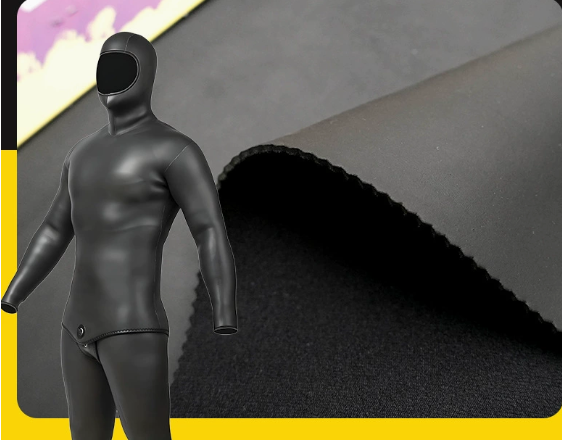
Wetsuit Surfing Series vs. Scuba Series Comparison
Hello! The “wetsuit surfing series” and “scuba series” you mentioned generally refer to wetsuit series specifically designed for different water sports. While their core function is warmth, they differ significantly in design philosophy, materials, cut, and details to adapt to vastly different sports environments and usage needs.
Below, I will provide a detailed comparison of these two series from multiple dimensions:
Core Comparison Overview
Features | Wetsuit Surfing Series | Wetsuit Scuba Series
Primary Design Goals | Wetsuit Surfing Series: Flexibility, comfort, and friction resistance; | Wetsuit Scuba Series: Absolute warmth and waterproof sealing.
Usage Environment | Wetsuit Surfing Series: “On or near the water surface, frequent contact with air, sunlight, and surfboards”; | Wetsuit Scuba Series: “Completely underwater, withstanding all-around water pressure, and in stable and lower ambient temperatures.”
Fabrics and Craftsmanship | Wetsuit Surfing Series: Excellent elasticity (such as Japanese Yamamoto rubber), lighter and softer, with mostly flat-fit seams. | Wetsuit Scuba Series: Multiple thickness options (commonly 3mm-7mm+), linings are mostly plush or titanium alloy, and seams are mostly sealed with waterproof tape.
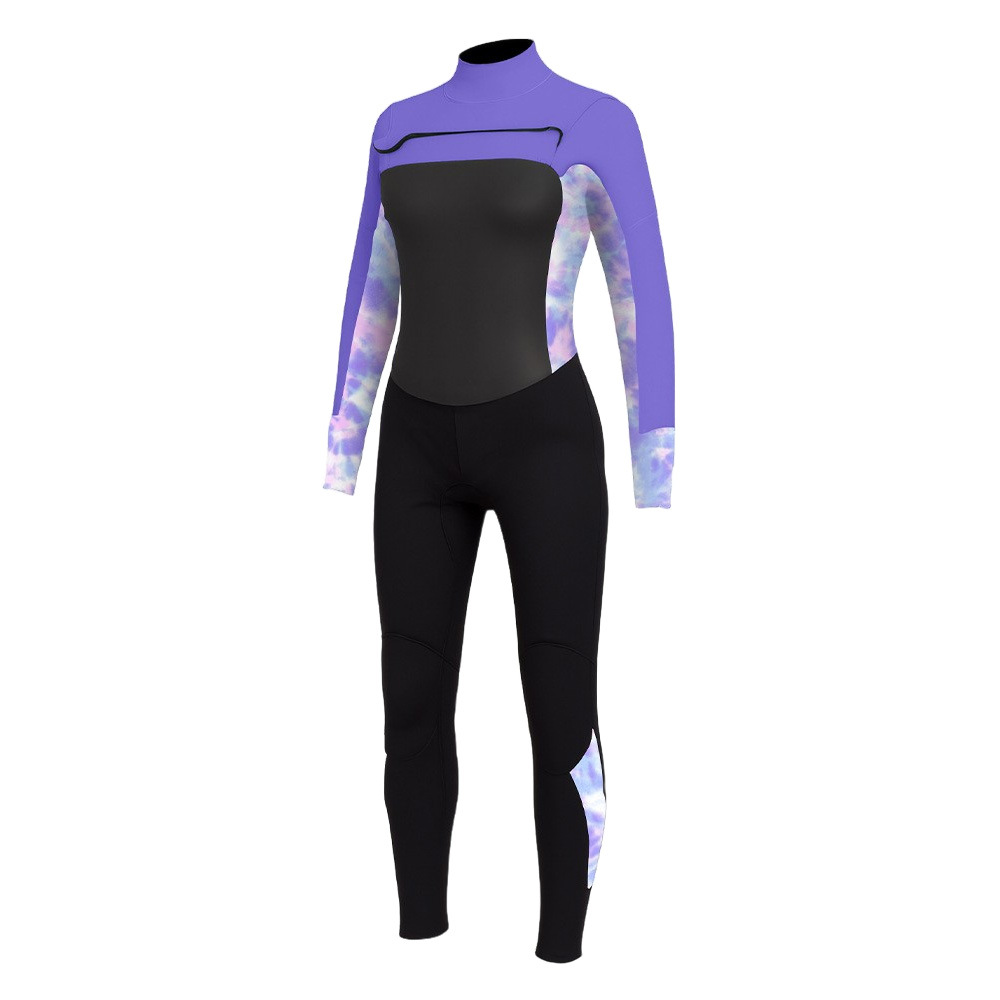
Cut and Fit | Wetsuit Surfing Series: Slim fit, streamlined, reducing wrinkles and friction points, allowing for a wide range of body movements. Wetsuits & Scuba Gear: Relatively loose, allowing room for underwater blood circulation and intermediate layers (such as undershirts).
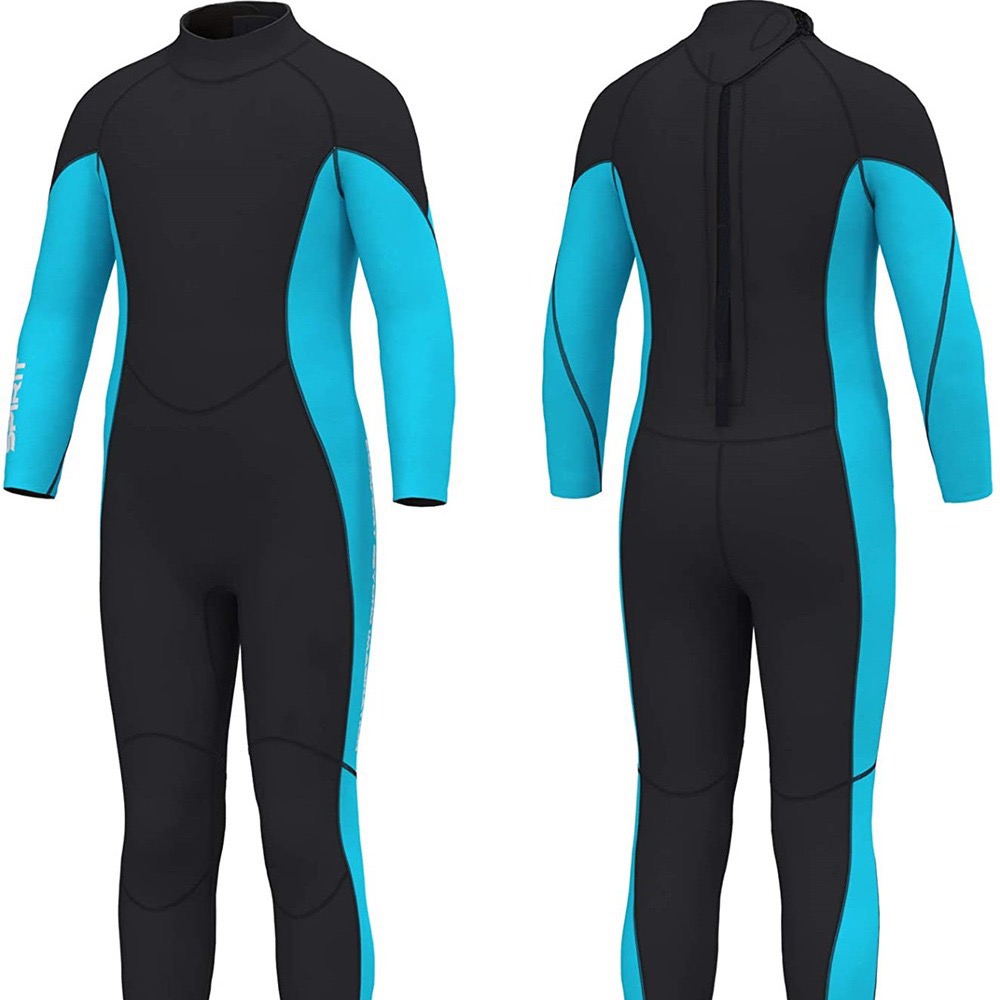
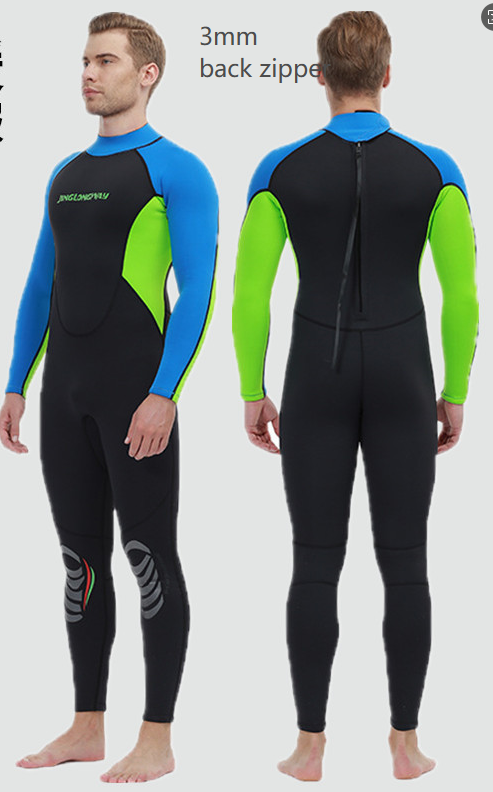
Key Details: Wetsuit Surfing Series: Thin and smooth neck, wrist, and ankle seals; knee pads; back zipper chafing protection. Wetsuit Scuba Gear: Thicker and longer neck, wrist, and ankle seals; dry/semi-dry versions have waterproof zippers and sealed cuffs.
Zippers: Wetsuit Surfing Series: Primarily back zippers for easy on and off, reducing chest chafing. Wetsuit Scuba Gear: Zippers on the back, sides, and chest; high-end models use waterproof zippers.
Pricing: Wetsuit Surfing Series: Generally a wide price range, with entry-level models being affordable and high-tech models being expensive. Wetsuit Scuba Gear: Due to thicker materials and more complex manufacturing processes, the overall price is higher, especially for dry wetsuits.
——
Detailed Explanation
1. Wetsuit Surfing Series
• Design Philosophy: The core concept is a “second skin.” Surfers need unrestricted movement for paddling, lifting, and maneuvering, so the wetsuit must be as close-fitting and elastic as skin. Any stiffness or friction can affect performance and cause skin irritation (especially underarms and back of the neck).
• Material: Extensive use of highly elastic, ultra-soft neoprene. Top-of-the-line products often use Yamamoto rubber, renowned for its extreme lightweight, flexibility, and quick-drying properties.
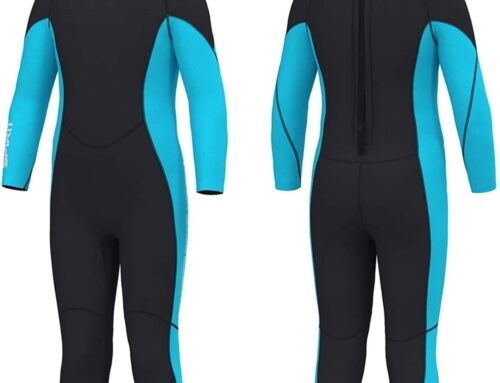
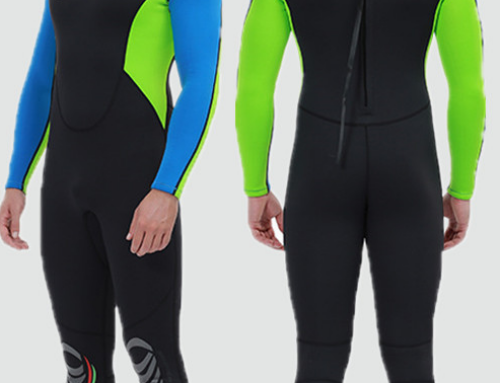
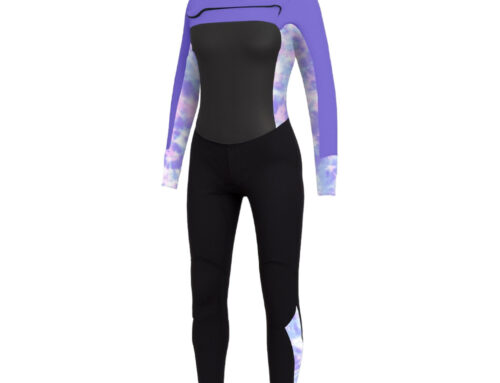
• Cut: Employing an “ergonomic cut,” special curved panels at joints (such as elbows and knees) ensure smooth arm movements and squatting/lifting motions. Generally more fitted to reduce heat loss from water ingress and egress (“shower effect”).
• Details:
◦ Smooth Lining: The interior is mostly smoothly liningd for easy on and off, reducing friction with the skin.
◦ Anti-friction Design: Special stitching or padding in key areas (such as knees and chest).
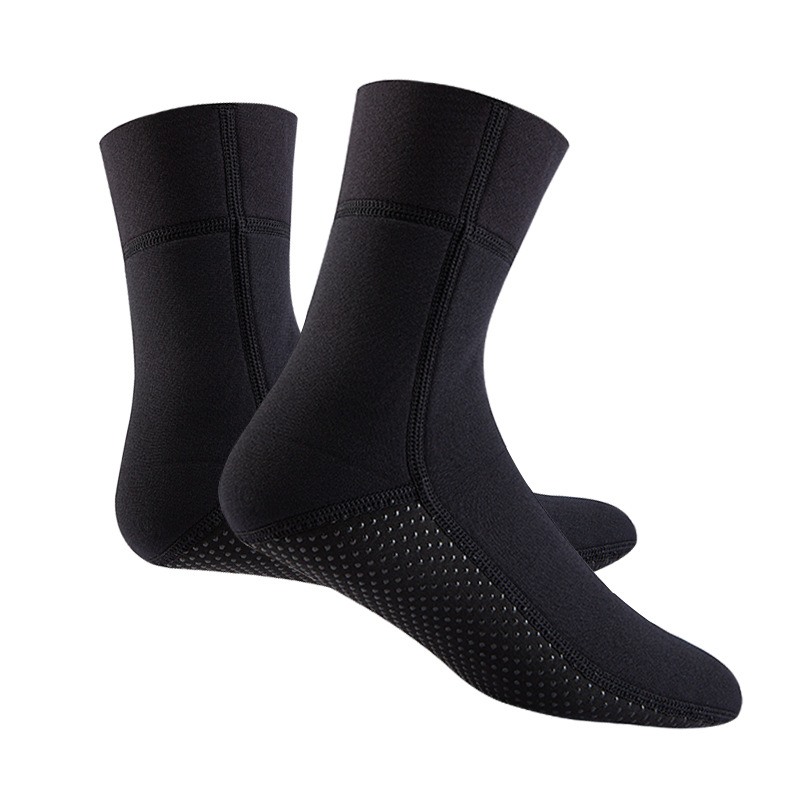
◦ Sealing System: The neck, wrists, and ankles are typically thinner, employing a “liquid seal” or smooth edges, prioritizing comfort and flexibility while ensuring a certain level of waterproofing.
2. Wetsuit/Scuba Suit Series
• Design Philosophy: The core concept is an “underwater thermal chamber.” During prolonged periods of stillness or slow swimming, divers continuously lose heat to cold water. Therefore, the primary task of a scuba suit is to maximize insulation against cold water and maintain body temperature.
• Materials: Thicker, with linings often made of high-tech insulating materials such as plush, titanium alloy, and ceramic, which convert body moisture into heat. Dry suits are even completely waterproof, allowing for the wearing of thermal clothing underneath.
• Cut: Relatively loose, especially in the torso area. This is to:
◦ Create a non-flowing insulating layer of water between the body and the wetsuit.
◦ Allow space for an undershirt (such as a vest or bodysuit).
◦ Avoid being too tight, which could impair underwater blood circulation (exacerbating hypothermia).
• Details:
◦ Heavy-duty sealing: Thickened and extended sealing edges at the neck, wrists, and ankles ensure a tight seal against the skin, preventing frequent entry and exit of cold water.
◦ Waterproofing: Seams are sealed with adhesive tape to prevent water seepage. Dry wetsuits use fully waterproof zippers and valve systems.
◦ Durability: Prioritized for abrasion resistance to withstand environments such as boat decks, diving ladders, and rocks.
——
How to Choose?
Choose the wetsuit/surfing series if you are:
• A surfing, bodyboarding, paddleboarding, kitesurfing, jet skiing, etc.
• Need extreme freedom of movement and athletic performance.
• Spend most of your time on or near the surface.
Choose the wetsuit/scuba diving series if you are:
• A scuba diving, freediving, technical diving, fishing, etc.
• Need to spend extended periods underwater, where warmth is paramount.
• Require relatively stable movement postures, with slightly lower demands on extreme flexibility compared to surfing.
Important Note
1. 1. **Do not mix and match:** Using a wetsuit for diving will cause it to freeze quickly; using a scuba wetsuit for surfing will feel stiff and cumbersome, hindering movement and causing wear and tear.
2. **Thickness and water temperature:** Both series offer different thicknesses (e.g., 3mm, 5mm) for different water temperatures. Choose according to your local water temperature when purchasing.
3. **Brand focus:** Some brands specialize in a particular area (e.g., Rip Curl, Billabong, O’Neill are representatives of wetsuits; Scubapro, Bare, Fourth Element are representatives of scuba gear), while others offer both lines (e.g., Xcel, Patagonia). Check the product line carefully when purchasing.
In summary, the key to choosing is your sport: choose the “surf series” for dynamic, surface-dominated sports; choose the “scuba series” for static, underwater-warmth-first sports. When purchasing, be sure to explain your specific purpose to the salesperson to ensure you get the most suitable equipment.

Leave A Comment