
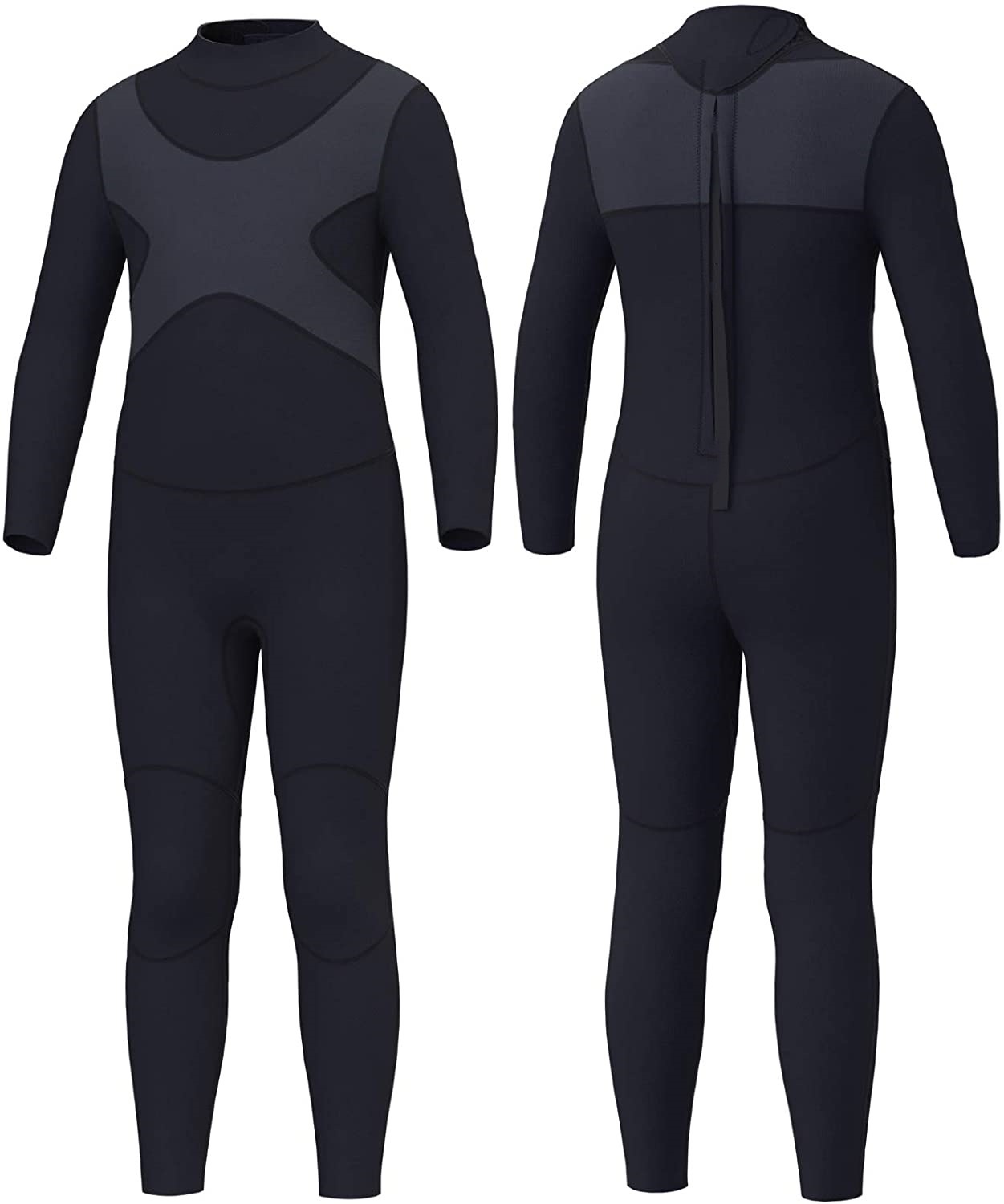
Okay, when choosing a wetsuit for tropical waters (where temperatures are typically above 28°C), the core objectives are sun protection, scratch protection, and providing light insulation and buoyancy, not primarily for warmth. Choosing the wrong type can actually lead to overheating.
Below are detailed recommendations for wetsuits for tropical waters, categorized into different types to meet different needs.
——
I. Core Selection: Type and Thickness
1. Wetsuit/Diving Suit
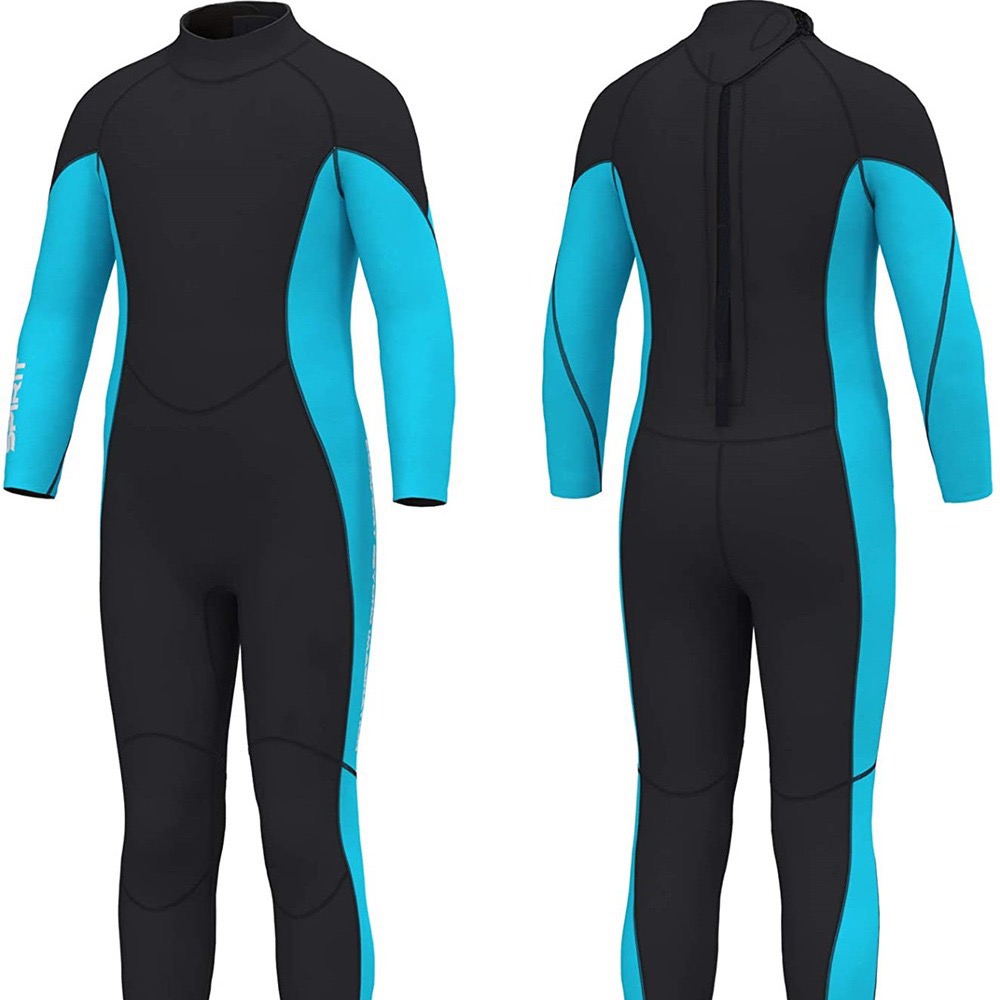
◦ Optimal Thickness: 0.5mm – 3mm. This is the most mainstream and flexible choice.
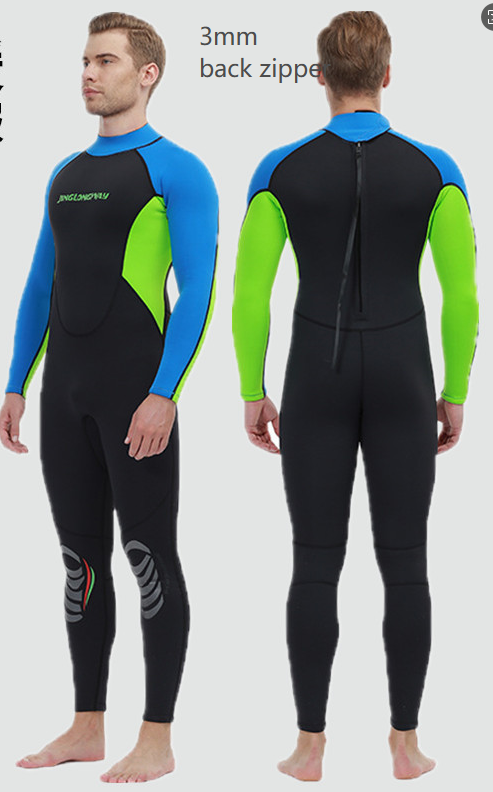
▪ 3mm Full Body/Short Sleeve: Suitable for those slightly sensitive to water temperature, long-duration dives, or multi-day consecutive dives, providing basic insulation to prevent hypothermia.
▪ 1-2mm Full Body Suit: The most versatile tropical choice, perfectly balancing sun protection, scratch protection, and flexibility.
▪ 0.5-1mm: Extremely thin and light, like a layer of skin, primarily for sun protection and protection.
2. Rash Guard / Sun Protection Suit
◦ Features: Typically made of lightweight, quick-drying stretch nylon/polyester/Lycra, neoprene-free, offering minimal buoyancy and insulation.
◦ Best Uses: Snorkeling, freediving, or recreational scuba diving where water temperature is not a primary concern and activities are mainly in shallow water. Sun protection factor (SPF) is crucial.
3. Short-Sleeve/Two-Piece Suit
◦ Features: More flexible, easy to put on and take off, suitable for very hot intervals between surface dives.
◦ Caution: Joints and core body areas are exposed; sun protection and overall protection are incomplete.
——
II. Specific Recommendations
Category 1: All-Purpose Tropical Wetsuit
Suitable for most recreational scuba diving, a top choice for first-time buyers.
1. Scubapro Everflex 3mm / 1.5mm
◦ Highlights: Classic brand, durable. Everflex fabric is extremely soft, four-way stretchy, and allows for unrestricted movement. Multiple zipper options (chest or back).
◦ Suitable for: Divers seeking reliable brands, overall performance, and comfort.
2. Aqualung AquaFlex 3mm / 2mm
◦ Highlights: Excellent value for money. Made with “Max Stretch” fabric, it offers a perfect fit and flexibility. The cut is optimized for recreational diving.
◦ Suitable for: Beginners or recreational divers seeking high value for money.
3. Fourth Element Thermocline 1mm
◦ Highlights: A must-have for tropical diving. Made with patented “Xerotherm” titanium polymer fabric, it is extremely lightweight, thin, and quick-drying, with a UPF 50+ sun protection rating. It combines the breathability of a rash guard with the close-fitting protection of a wetsuit.
◦ Suitable for: Divers who frequently dive in tropical regions, prioritize ultimate lightweightness and sun protection, and have a sufficient budget.
Category Two: Top-Tier Comfort and Flexibility
4. Waterproof W1 1mm
◦ Highlights: Made with premium Yamamoto rubber, offering unparalleled elasticity and softness for an excellent wearing and removal experience. Extremely lightweight and compact.
◦ Suitable for: Divers who prioritize comfort and flexibility and are willing to pay for premium materials.
Category Three: Professional Sun Protection/Rash Gear
Suitable for snorkeling, freediving, those sensitive to sun exposure, or those allergic to neoprene.
5. Fourth Element Proteus 2.0 or J2
◦ Highlights: A professional freediving brand, featuring an ultra-fitted design to minimize water resistance. Durable, highly elastic fabric with excellent sun protection. The J2 is a one-piece design for more comprehensive protection.
◦ Suitable for: Freedivers, underwater photography enthusiasts (to reduce bubbles), or snorkeling/scuba divers who prioritize sun protection.
6. Cressi Carrara Series
◦ Highlights: A long-established Italian brand, stylish design, and a wide range of colors. Made with lightweight Lycra fabric, offering excellent value for money.
◦ Suitable for: Aesthetically pleasing enthusiasts who primarily use the product for snorkeling and swimming.
Category Four: High-Value Beginner Options
7. TUSA or SP Entry-Level Models
◦ Highlights: Entry-level series from Japanese/mainstream brands, affordable, and reliable. While the fabric elasticity may not be as good as higher-end models, it’s sufficient for beginners.
◦ Suitable for: Beginners who occasionally go diving on tropical vacations and don’t want to invest too much.
——
III. Golden Rules and Considerations for Purchasing
1. Fit is Paramount: It must fit like a “second skin.” Too loose and it will let water in and lose its insulating properties; too tight and it will affect breathing and circulation. Pay special attention to the fit under the armpits, around the neck, and at the hips.
2. Prioritize “flat-stitched glued edges”: This stitching technique is the smoothest, most waterproof, and most durable. Blind stitching is the next best option; avoid regular flat stitching (the thread is directly exposed, making it prone to wear and leaks).
3. Consider Zipper Placement:
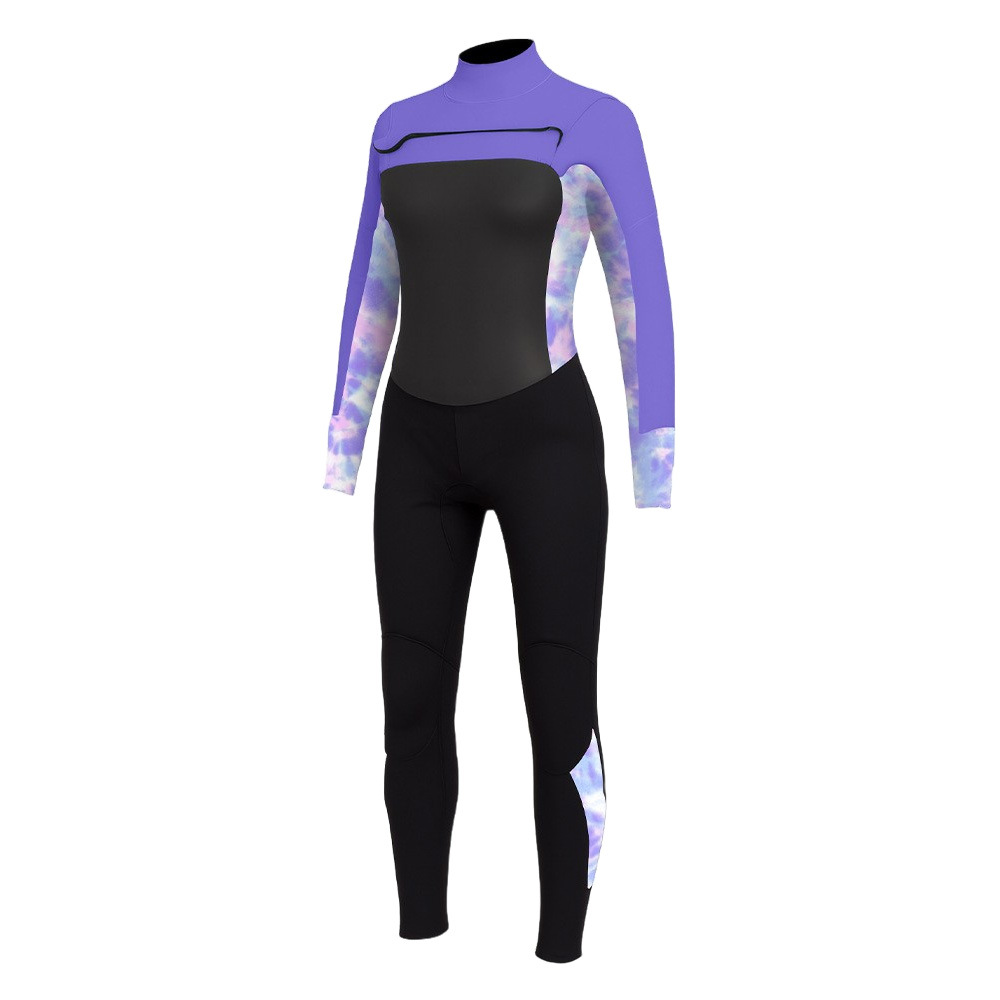
◦ Chest Zipper: Easier to put on and take off yourself, good waterproofing, and currently the mainstream trend.
◦ Back Zipper: Traditional design, may be slightly cheaper, usually requires assistance.
◦ No Zipper/Half-Body Zipper: Easiest to put on and take off, but may have slightly poorer sealing.
4. Color Selection:
◦ Safety Considerations: Choose bright colors (fluorescent yellow, orange, pink) to help your dive buddy and boats spot you more easily.
◦ Photography/Ecological Considerations: Choose dark colors such as black and dark blue, which reflect less light, won’t be photogenic in pictures, and will cause less disturbance to marine life.
5. Maintenance: After diving, be sure to thoroughly rinse inside and out with fresh water, and air dry in a cool, shaded place, avoiding direct sunlight, tumble drying, and folding to extend its lifespan several times over.
IV. Summary and Recommendation Table
**Requirement Scenarios | Preferred Recommendation | Keywords**
**Recreational Scuba Diving, All-in-One:** Scubapro Everflex 1.5-3mm or Fourth Element Thermocline All-around, comfortable, professional
**Limited Budget, Seeking Value:** Aqualung AquaFlex 2-3mm or TUSA Entry-level High cost-performance, reliable
**Ultimate Comfort and Lightweight:** Waterproof W1 1mm Top-quality materials, zero restriction
**Primarily for Snorkeling/Freediving/Sun Protection:** Fourth Element Proteus J2 or Cressi Carrara Sun protection, high elasticity, freediving
**Extremely Heat-Sensitive, Basic Protection Needed:** Any brand’s 0.5mm-1mm ultra-thin full-body wetsuit Lightest, basic protection
**Final Recommendation:** If you primarily scuba dive, investing in a well-fitting, brand-name wetsuit with a 1.5mm-3mm thickness is the safest and most practical choice. It can handle various situations such as air-conditioned boats, long dives, and multi-day dives, making it your most reliable partner in tropical underwater environments.

Leave A Comment