
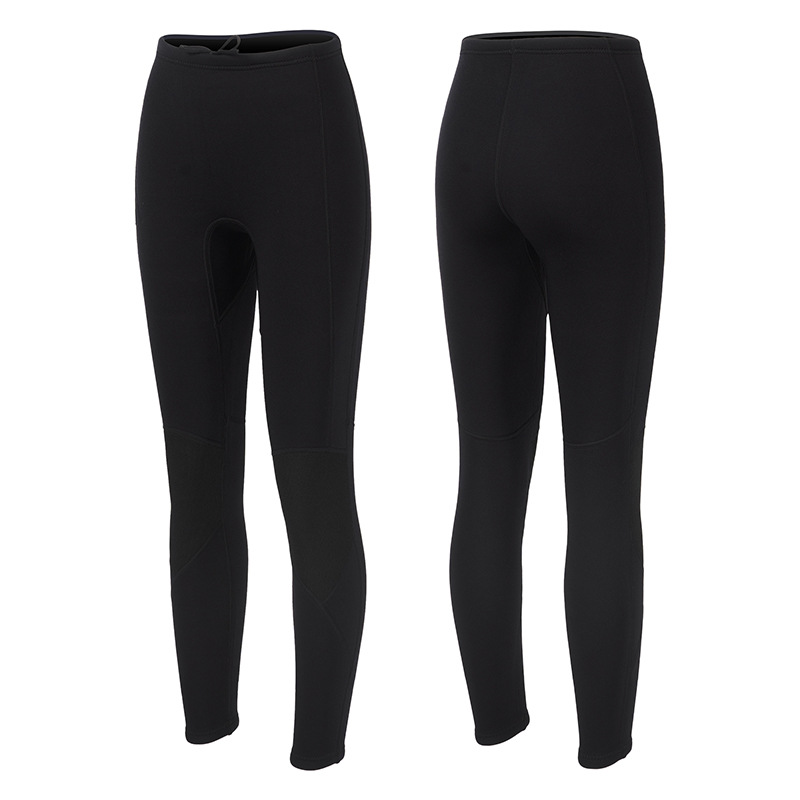
Determining your wetsuit size is crucial for ensuring comfort, safety, and warmth while diving. Choosing the wrong size can lead to hypothermia, restricted movement, or excessive wear and tear.
Follow these systematic steps to determine your size:
Step 1: Accurately Measure Your Body Measurements (This is fundamental)
Before purchasing, measure yourself closely with a soft measuring tape and record the measurements (unit: cm/inch).
Key Measurement Areas:
1. Height
2. Weight
3. Chest circumference: Circumference around the chest at nipple level.
4. Waist circumference: Circumference around the narrowest part of the waist.
5. Hip circumference: Circumference around the fullest part of the hips.
6. Torso Length (crucial for onesie): Measure from the top of the shoulders (near the neck), through the space between the legs, back to the starting point of the shoulders. This determines whether the wetsuit length is correct.
Step Two: Refer to the Brand’s Size Chart (This is crucial)
The most important point: Forget your usual clothing size (e.g., M, L), rely entirely on your specific measurements. Each brand has different sizing standards.
• Find the size chart: Locate a detailed size guide on the brand’s official website or product page.
• Compare across multiple dimensions: Compare your measurements with the height, weight, chest, waist, and hip measurements on the size chart.
• Follow the “most stringent data” principle:
◦ If your chest measurement matches a size L, but your height and weight are in the size M range, it’s generally recommended to choose size L, as the chest is the most difficult dimension to stretch.
◦ Prioritize a good fit for the torso, chest, and shoulders; allow some leeway for the waist and hips.
Common Size Types:
• Regular Sizes: XS, S, M, L, XL, XXL, etc.
• Tall/Plump Body Types: MT (Medium but taller), LT, L+ (Large but heavier), etc.
• Short/Short Body Types: MS (Medium but shorter), LS, etc.
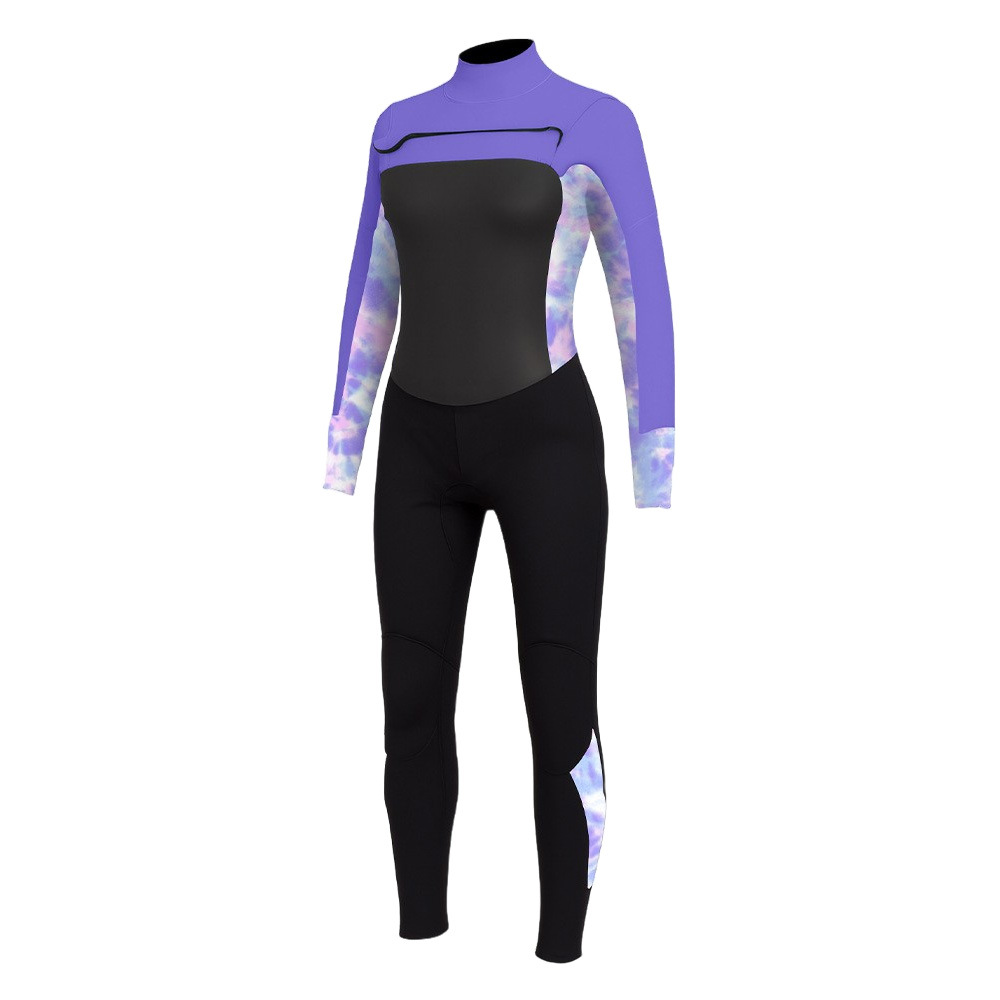
• Two-Piece Style: Top and pants are sold separately, allowing for different size combinations, suitable for those with unusual upper and lower body proportions.
Step 3: Understanding the Correct Fit (This is about feel)
A well-fitting wetsuit should feel like a second skin, but never feel suffocating or restrictive.
• It should feel snug when put on: It requires some effort to put on, especially around the ankles, wrists, and neck. This is normal, as the wetsuit will loosen after being wetted.
• Key areas must fit snugly without wrinkles:
◦ Armpits, inside of the knees, groin: Large wrinkles in these areas will allow water to continuously wash in, quickly losing body heat.
◦ Torso and limbs: They should fit smoothly and snugly without noticeable gaps.
• Check Range of Motion:
◦ Perform chest expansion exercises to feel if your chest and back are too tight.
◦ Extend both arms straight up and forward to check if your shoulders and armpits are being excessively stretched.
◦ Squat down to feel pressure in your back, hips, and knees.
◦ If you experience a strong feeling of constriction or difficulty breathing, the size may be too small.
Step 4: Consider Wetsuit Thickness and Style
• Thickness Affects Sizing: For the same size, a 5mm wetsuit will have less internal space than a 3mm one. If you usually wear a size M 3mm wetsuit, when buying a 5mm, you may need to consider a size L, or choose a “loose fit” specifically designed for thicker materials.
• Style Differences:
◦ Surfing Wetsuits: Usually more fitted and extremely stretchy, sizes may run small; always choose according to measurements.
◦ Scuba Diving Wetsuits: Designed for warmth, allowing for a thin layer of water inside, but still requiring a close fit.
◦ Drywear: Requires extra space to wear thermal underwear; sizing is completely different and must strictly follow the manufacturer’s guidelines.
Step 5: Try it on if possible.
When purchasing online, prioritize retailers offering free returns and exchanges.
Try-on steps:
1. Keep hands and feet dry: The inner layer of the wetsuit is slippery, making it easier to put on with dry hands and feet. You can put it in a plastic bag first.
2. Start from the feet: Slowly roll it up, lifting it little by little, avoiding pulling with your fingernails.
3. Full check: After putting it on, perform the range of motion test described above and sit still for a few minutes to feel for any unbearable pressure points.
4. Final judgment: Without getting wet, a perfectly fitting wetsuit may feel “a little tight,” but “acceptable and allows for free movement.”
Quick self-check checklist
• [ ] I have measured my height, weight, bust, waist, hips, and torso length.
• [ ] I have completely checked against the specific brand’s size chart, prioritizing chest/torso measurements. • [ ] I understand that a wetsuit should fit snugly yet allow for free movement, with no wrinkles in key areas.
• [ ] I have considered the impact of wetsuit thickness (3mm/5mm/7mm) on sizing.
• [ ] If undecided between two sizes, I tend to choose a slightly larger size to ensure comfort and blood circulation (especially for scuba diving), but never choose an excessively large size.
Final advice: If you are a beginner, or struggling to choose between two adjacent sizes, consulting an experienced diver, instructor, or reputable equipment store is the best option. They can provide the most objective advice based on your body type and diving needs.

Leave A Comment