Description
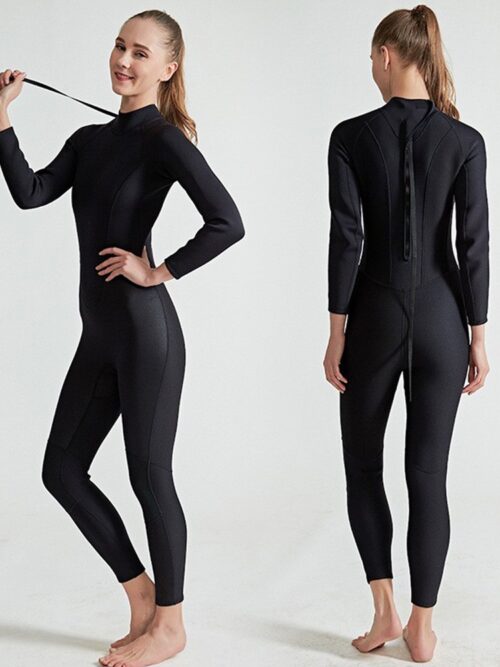
Short sleeved shorts SBR neoprene Wetsuit for women dive skin:
Products name:5MM wetsuit(thickness from 1.5-7mm)
Fabric:SCR neoprene+ double-sided N fabric(SBR/SCR/CR Yamamoto 39/40)+(double-sided supper stretch fabric )
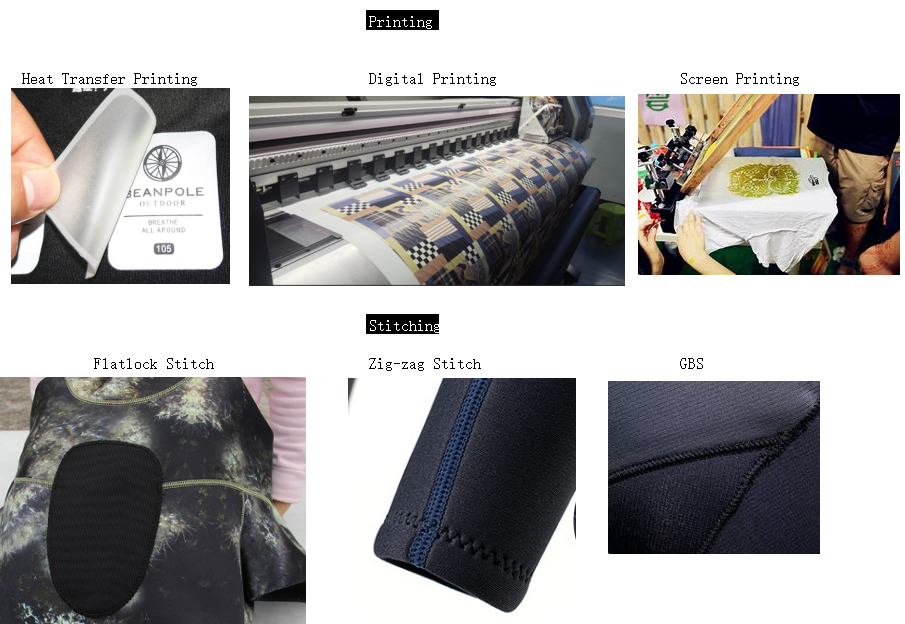
Technical:GBS stitching(1.5-3mm normally flatlock;3-7mm normally GBS)
/YKK back zipper
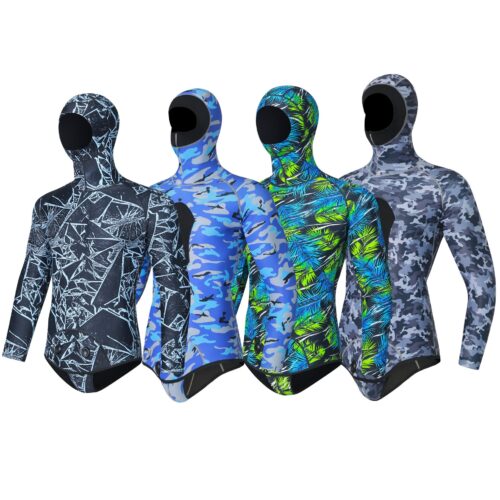
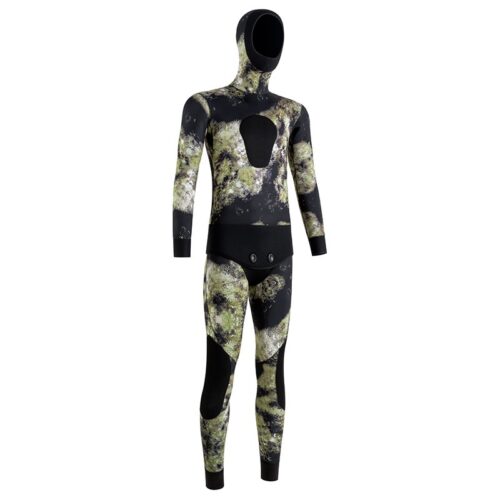
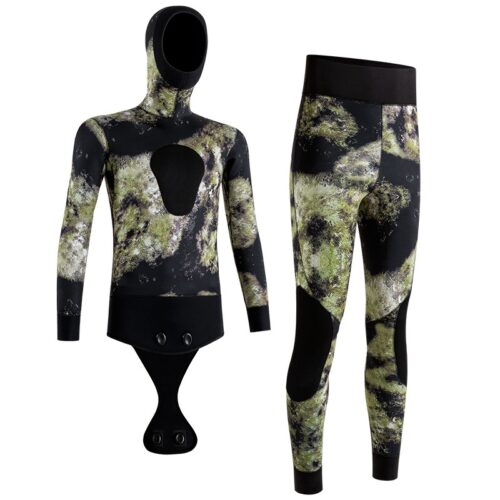
Color:black(can make various colors )
Key attributes
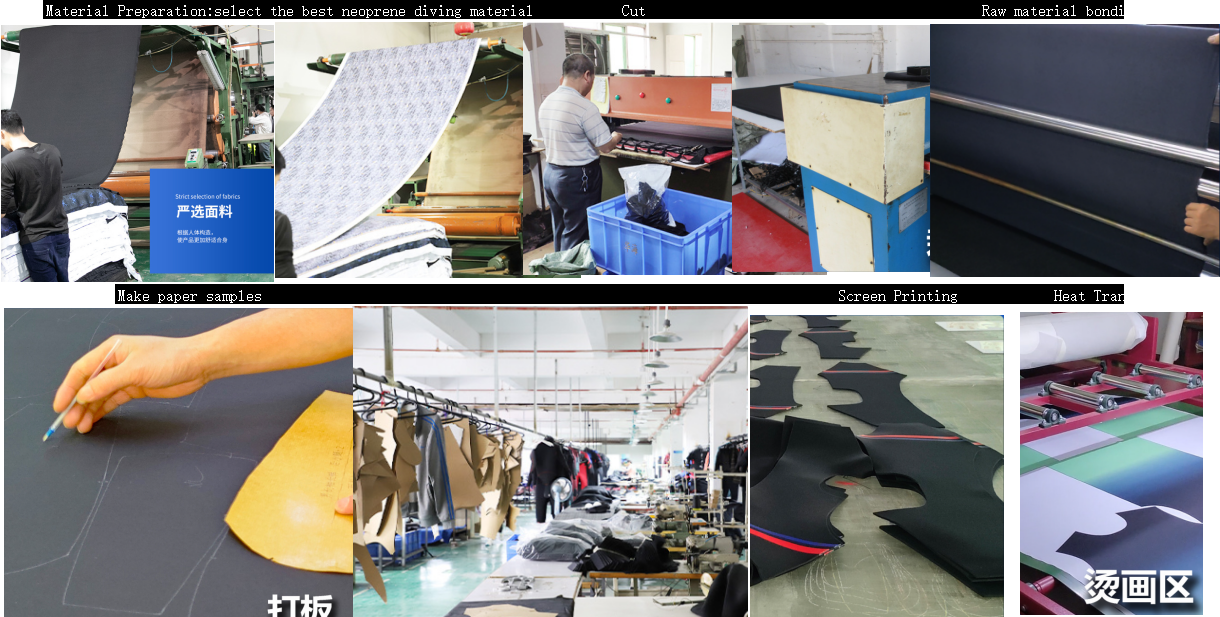
Technics:Automated cutting
Material:CR+super stretch fabric/CR+N fabric/SCR+super stretch fabric/SCR+N fabric/SBR +super stretch fabric/SBR+N fabric
Style:Wetsuits
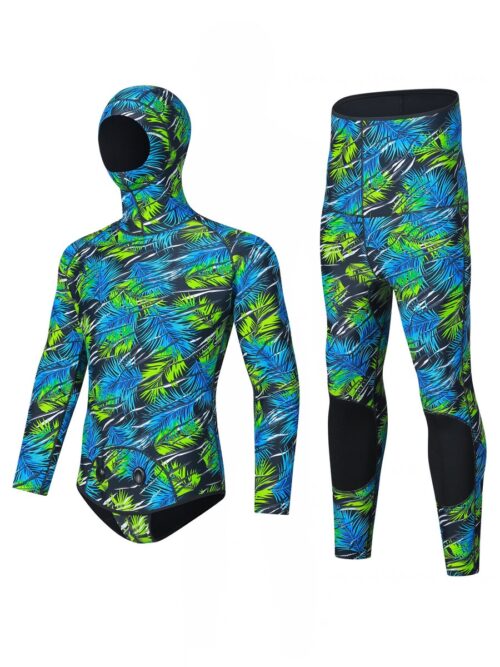
Printing Methods:Silk screen printing
Seamless Fusing:Yes
Gender:Unisex
Feature:Anti-UV, Plus Size, Anti-Bacterial, Breathable
Place of Origin:Guangdong, China
Supply Type:OEM service
Age Group:Adults
Brand Name:Starstone
Model Number:custom
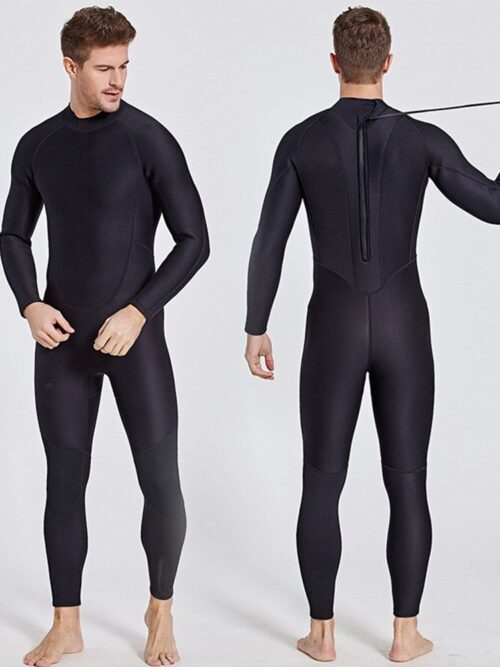
Zipper:chest zip/back zipper
Sleeve length:Long
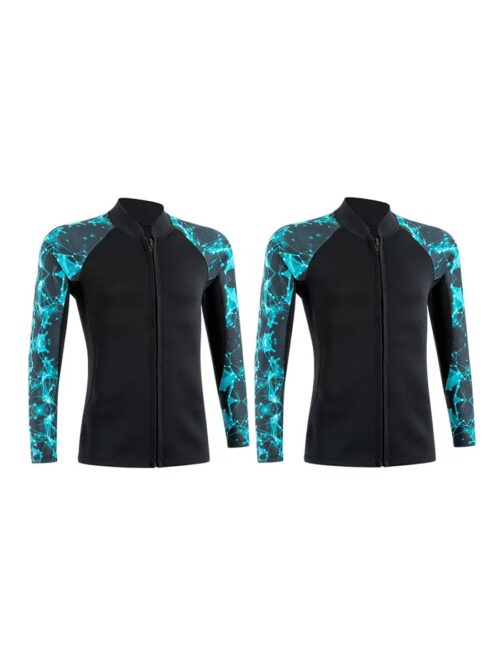
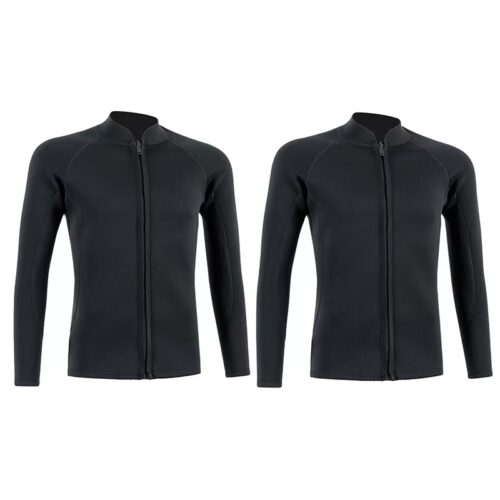
Pic:
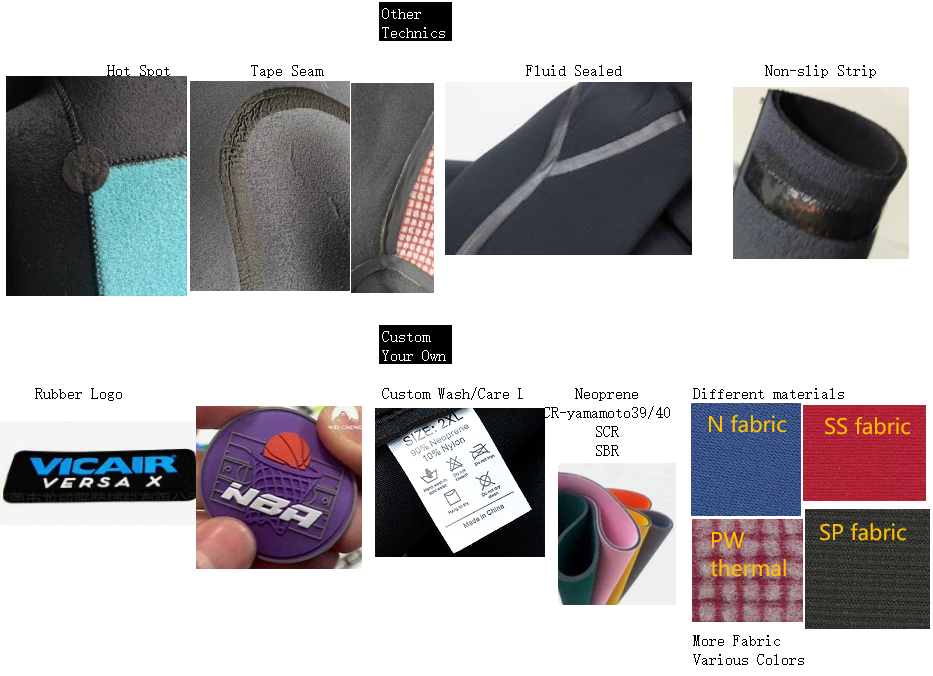
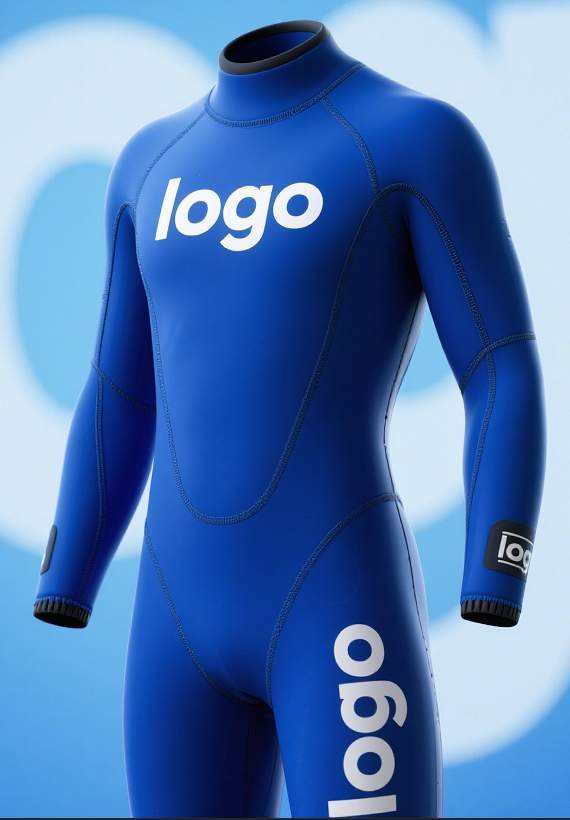
can put logo on different positions:
Specification
| Diving Suit Neoprene Wetsuit Men back Zipper Full Body Warm OEM Adult Windproof Surfing Swimming Suits |
| Optional Material |
CR Jako Neoprene, CR Sheico Neoprene, CR Yamamoto #39,SCR ,SBR |
| Thickness |
1.5mm 3mm 5mm 7mm or Accept Customize Thickness |
Optional Sewing |
Fluid & Liquid Seams
Taped Seams
Spot Taping
Fused/Welded Seams
Flat Lock Seams
Glide Skin Neck Seal
Wrists Seals |
| Size |
S, M, L, XL, 2XL, 3XL, 4XL or customized sizes |
| Logo/Design |
Custom logo/design is acceptable |
Company Introduce
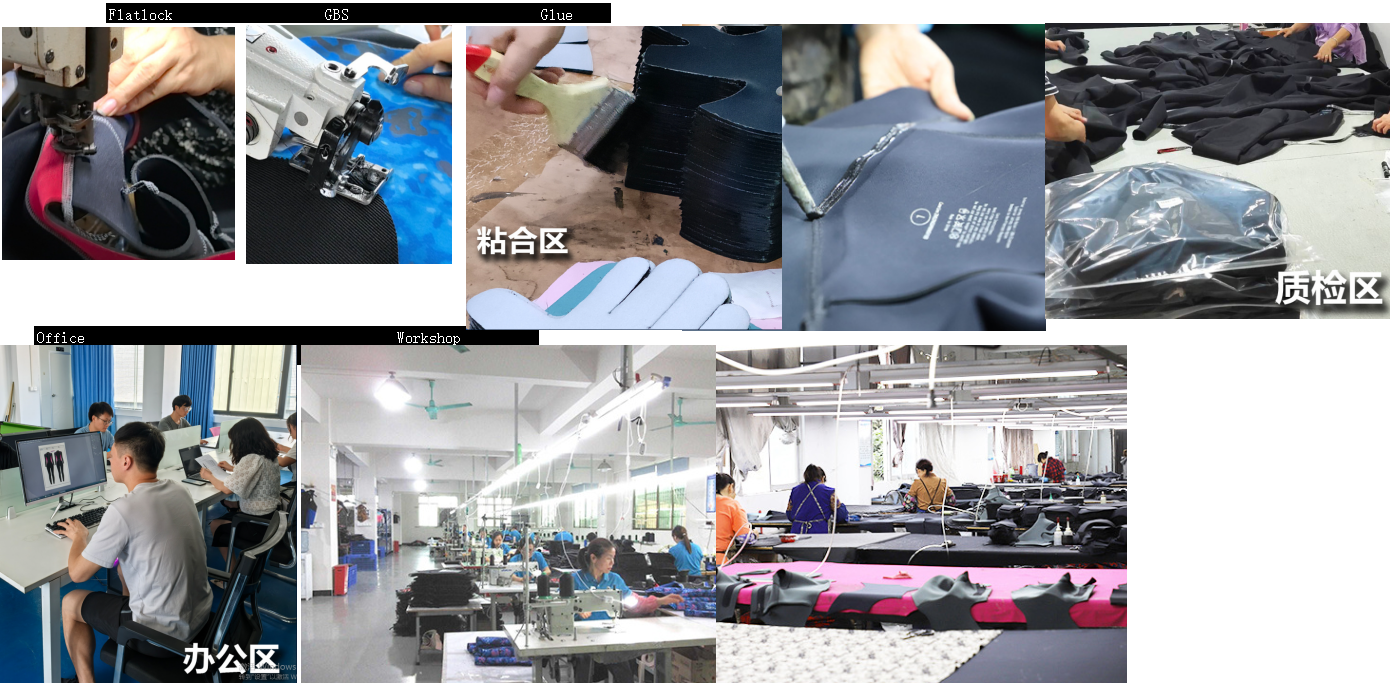
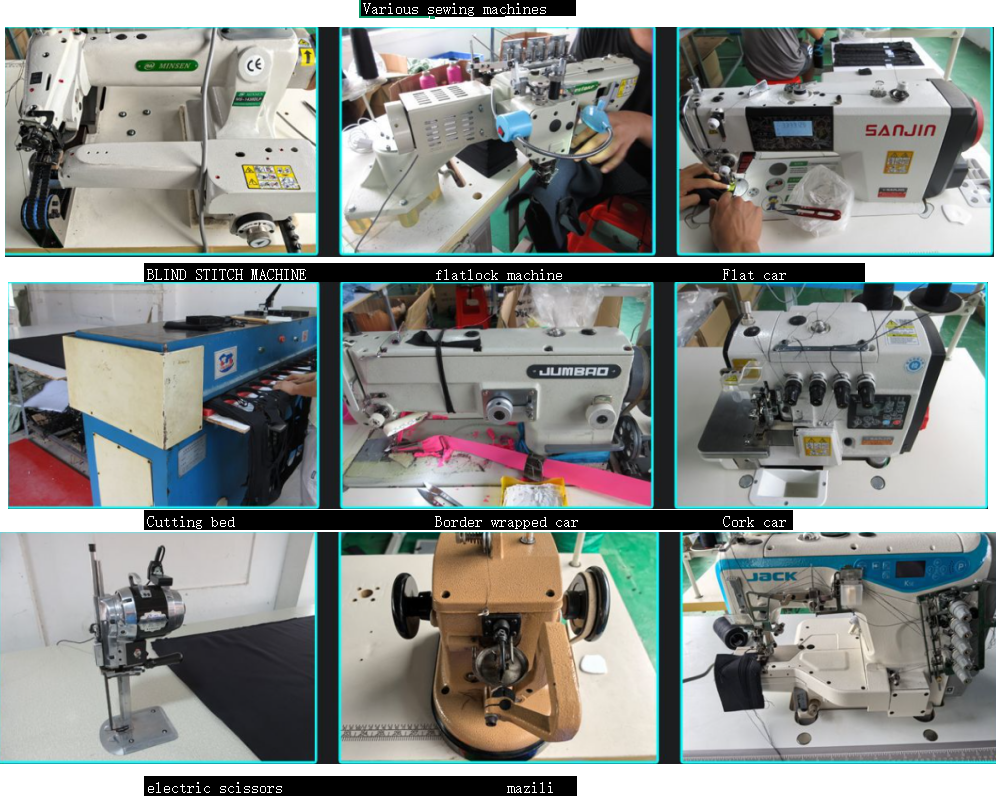
14 years of production and operation of diving suits, with a factory area of 3646.5 square meters and a daily production capacity of 2000 pieces,
66 advanced production equipment.
Products Pic:
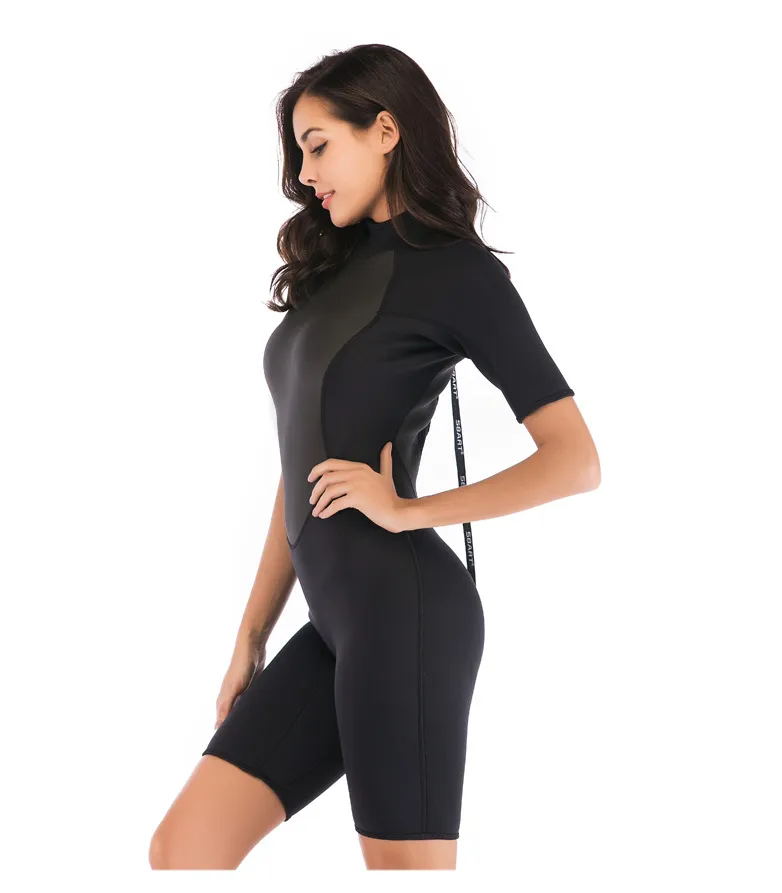
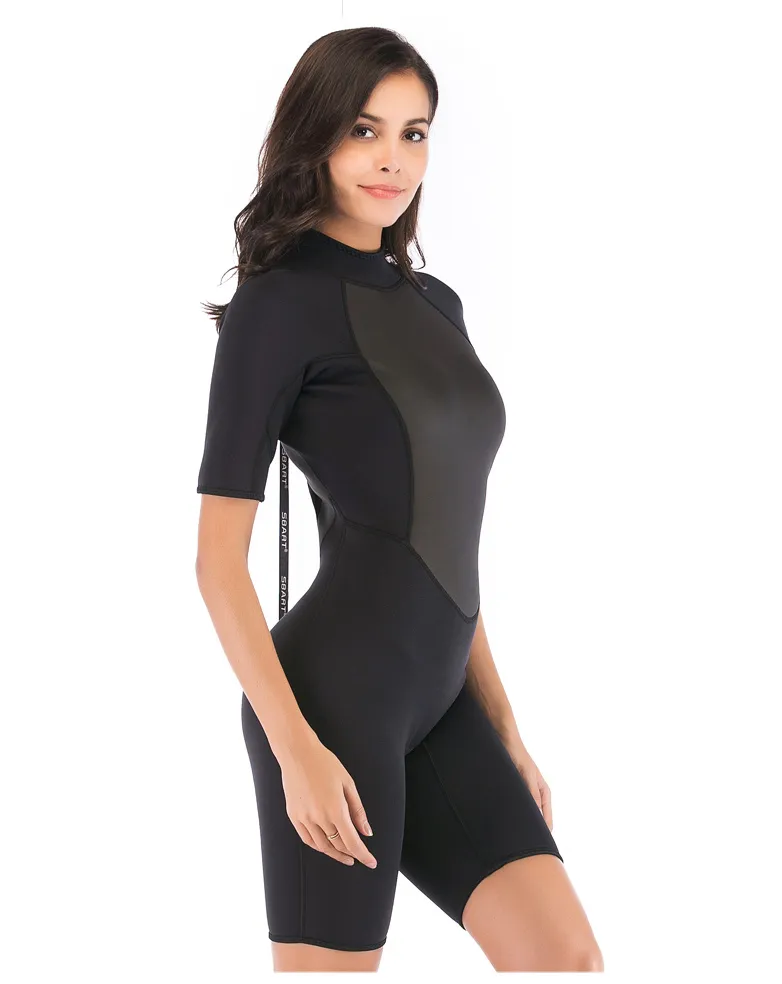
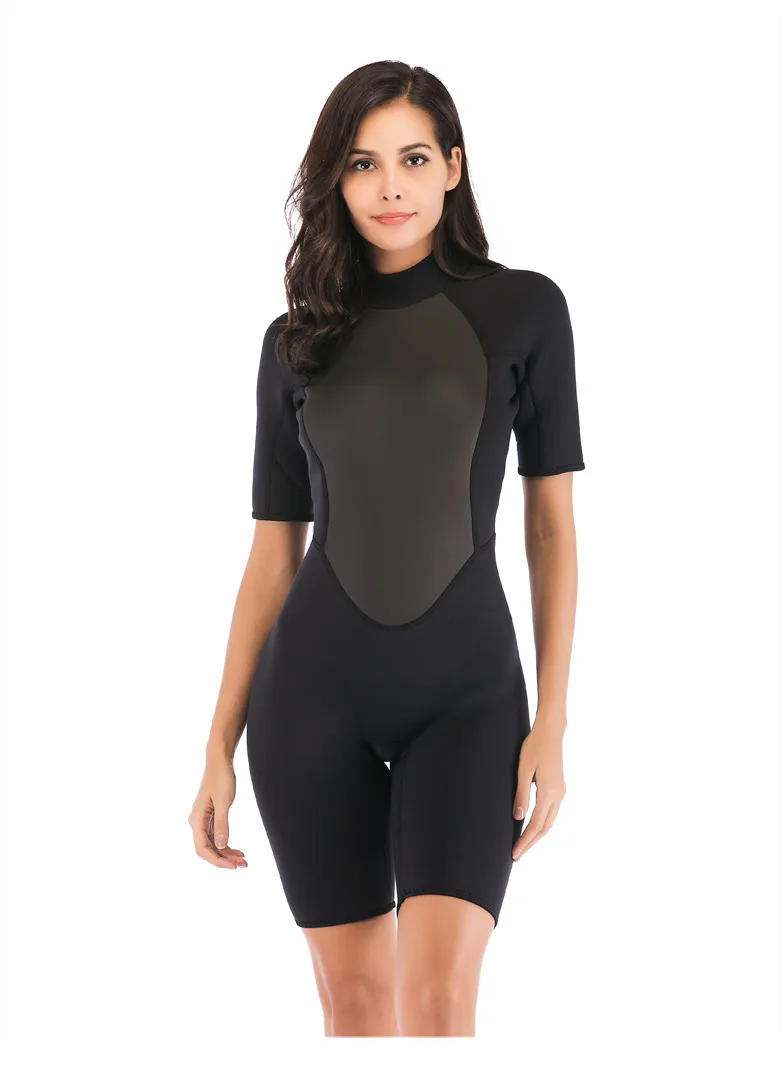
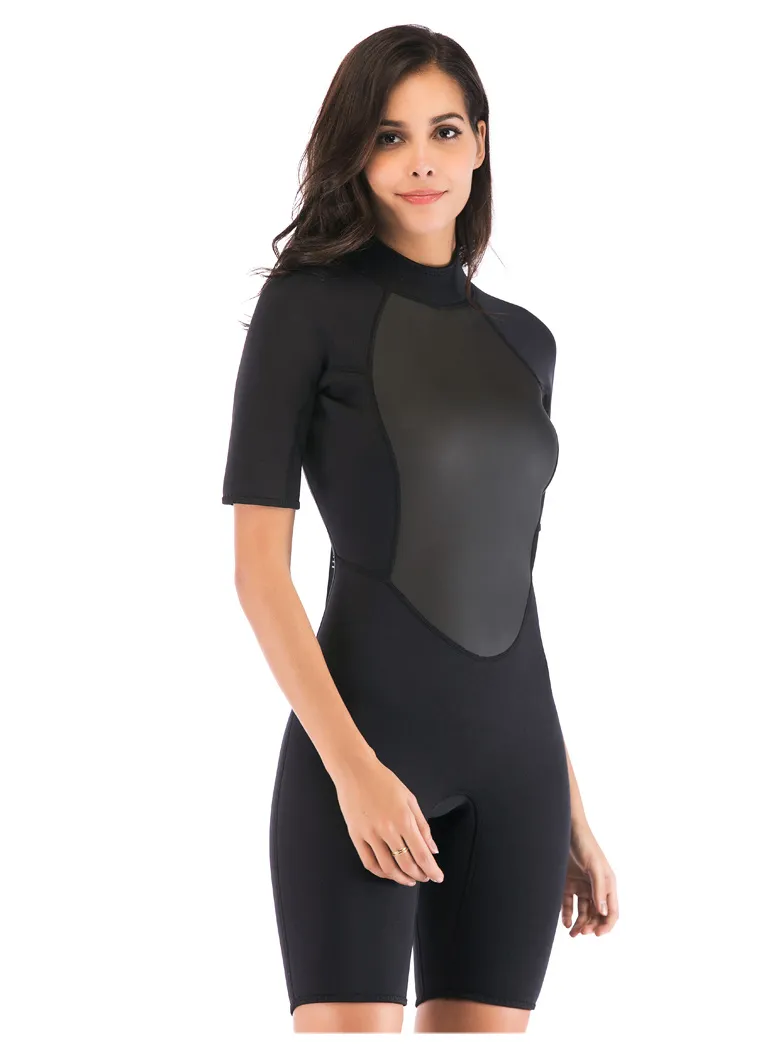
Short sleeved shorts Wetsuit vs long sleeved wetsuits
Short-sleeved shorts wetsuits and long-sleeved wetsuits serve different purposes based on water temperature, activity, and personal preference. Below is a comparison of their key advantages, drawbacks, and ideal use cases:
1. Short-Sleeved Shorts Wetsuit
Design: Covers the torso with short sleeves and shorts (above the knee).
Advantages:
Lightweight and Breathable:
Ideal for warm water (70°F/21°C and above) or tropical climates, as it allows more skin exposure to prevent overheating.
Reduces water retention, making it quicker to dry and more comfortable in humid conditions.
Enhanced Mobility:
Less material restricts movement, making it popular for activities like surfing, snorkeling, or paddleboarding where freedom of arm/leg motion is critical.
Sun Protection (Limited):
Provides basic UV protection (typically UPF 20–30) for the torso, shoulders, and thighs, though less than full-coverage suits.
Easy to Put On/Take Off:
Shorter sleeves and legs mean less friction when dressing, useful for quick entries/ exits from the water.
Drawbacks:
Limited Thermal Insulation:
Poor for cold water; offers minimal warmth (suitable only for mild to warm temperatures).
Reduced Protection:
Exposes arms, legs, and knees to abrasion (e.g., from surfboards, rocks) or stings (jellyfish, sea lice).
Less Durability in High-Wear Areas:
Short legs may wear out faster if kneeling on rough surfaces (e.g., beach landings).
Best For:
Warm-water activities where heat management and mobility are priorities.
Casual use or as a “rash guard” layer under other gear.
2. Long-Sleeved Wetsuits
Design: Covers the entire torso, arms, and legs (full-length or 3/2 length, ending above the ankles/wrists).
Advantages:
Superior Thermal Insulation:
Ideal for cold to temperate water (50–70°F/10–21°C), depending on thickness (e.g., 3mm, 4/3mm, 5mm). The full coverage traps more body heat and reduces heat loss through exposed skin.
Full-Body Protection:
Shields against abrasions, jellyfish stings, UV rays (UPF 50+ in most models), and wind chill.
Reinforced knees/elbows in many models add durability for activities like diving, kayaking, or surfing in rocky areas.
Better Buoyancy and Streamlining:
Full coverage creates a more aerodynamic profile in the water, reducing drag for swimming or diving.
Thicker neoprene in cold-water suits adds buoyancy, which can be beneficial for beginners or long sessions.
Drawbacks:
Restricted Mobility (Compared to Shorts):
Long sleeves and legs may feel snug, especially in thicker suits, limiting flexibility for certain movements (e.g., overhead arm strokes).
Heavy and Hot in Warm Water:
Retains heat, making it uncomfortable in temperatures above 70°F/21°C. Excess sweating can also degrade neoprene faster.
Bulky and Difficult to Dress:
Tight fit and longer limbs make it harder to put on, often requiring a wetsuit hanger or assistance.
Best For:
Cold to temperate water sports (surfing, diving, freediving, kayaking).
Activities requiring full-body protection from the elements or marine life.
Key Comparison Table
Factor Short-Sleeved Shorts Wetsuit Long-Sleeved Wetsuit
Ideal Water Temperature Warm (70°F+/21°C+) Cold to temperate (50–70°F/10–21°C)
Mobility Excellent (minimal restriction) Good (varies by thickness; thicker suits are stiffer)
Thermal Insulation Low High (depends on neoprene thickness)
Protection Limited (torso + partial limbs) Full (abrasion, UV, stings, wind)
Weight/Dryness Lightweight, quick-drying Heavier when wet, slower to dry
Activity Examples Surfing in Hawaii, snorkeling, summer SUP Surfing in California, diving, winter swimming
Choosing the Right Wetsuit
Warm Water: Prioritize short-sleeved shorts for comfort and mobility. Add a rash guard or UV shirt for extra sun protection if needed.
Cold Water: Opt for long sleeves and full legs to retain heat and protect against the elements. Choose a thickness based on the temperature (e.g., 3/2mm for 60–70°F/15–21°C, 5/4mm for 50–60°F/10–15°C).
Hybrid Use: Some brands offer “spring suits” (3/2mm short sleeves + full legs) for transitional temperatures (65–75°F/18–24°C).
Ultimately, the choice depends on your activity, water conditions, and personal tolerance for warmth vs. mobility.

Reviews
There are no reviews yet.