
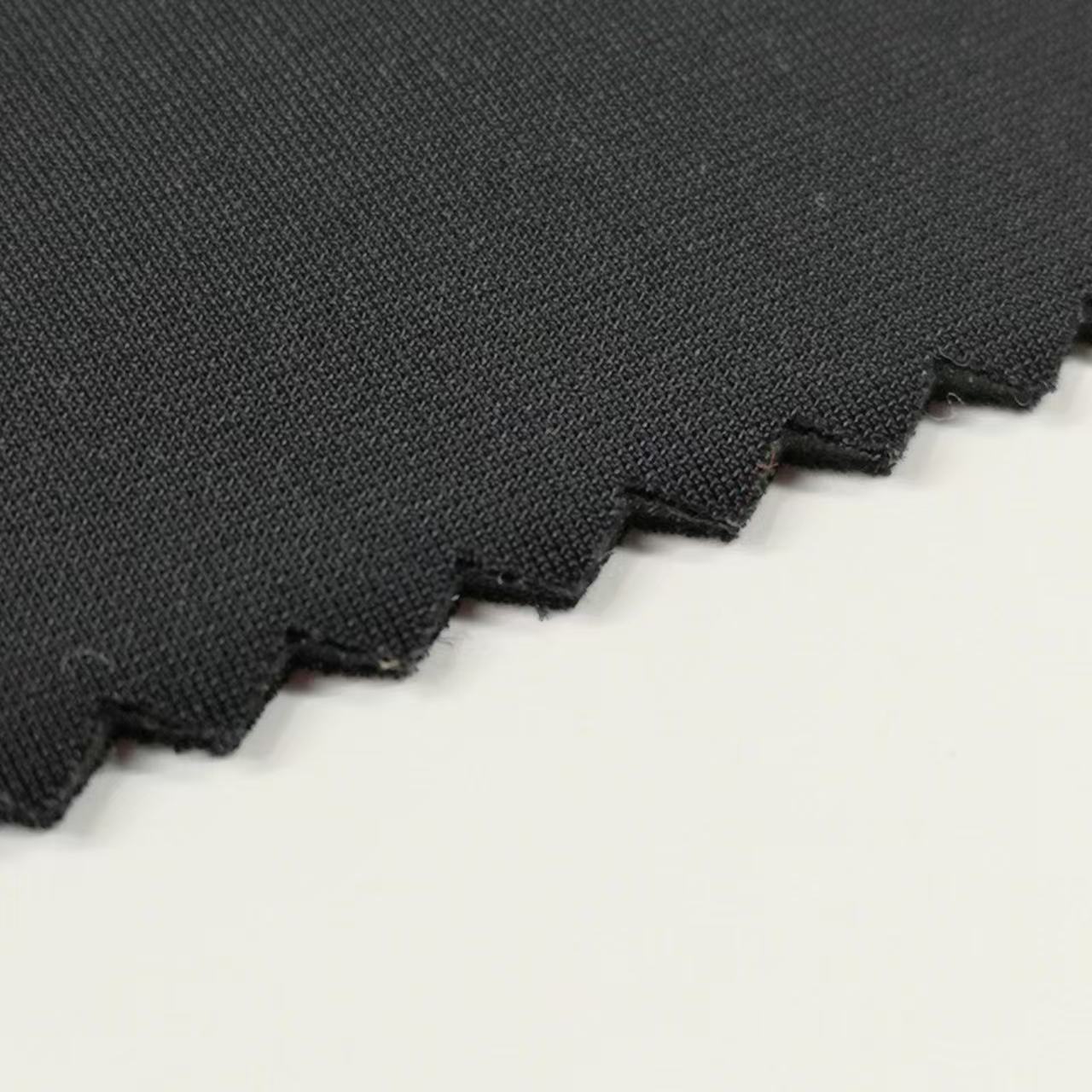
Yamamoto 39 and Yamamoto 40 usually refer to different grades of neoprene produced by Yamamoto. The main differences are as follows:
– **Flexibility**: Yamamoto 40 is more flexible than Yamamoto 39. Yamamoto 40 is a very soft and light high-end neoprene that can provide users with better freedom of movement in water sports, allowing limbs to stretch and bend more freely; Yamamoto 39 is relatively less flexible, but still better than many ordinary materials.
– **Durability**: Yamamoto 39 is more durable than Yamamoto 40. Although Yamamoto 40 has many advantages, it is relatively fragile and needs to be treated more carefully during use; Yamamoto 39 can better withstand external forces such as friction, stretching and twisting in daily use and is not easily damaged.
– **Buoyancy**: Yamamoto 40 has slightly higher buoyancy than Yamamoto 39. Because both use unique limestone neoprene technology, which is composed of closely arranged independent units, but Yamamoto 40 has more units per unit area, making the material lighter and more buoyant.
– **Price**: Due to the more complex production process and superior performance of Yamamoto 40, its price is usually higher than that of Yamamoto 39. Products using Yamamoto 40 materials, such as surfing cold weather suits, are often high-end products with higher prices; while products using Yamamoto 39 are mostly mid-to-low-end and relatively affordable.
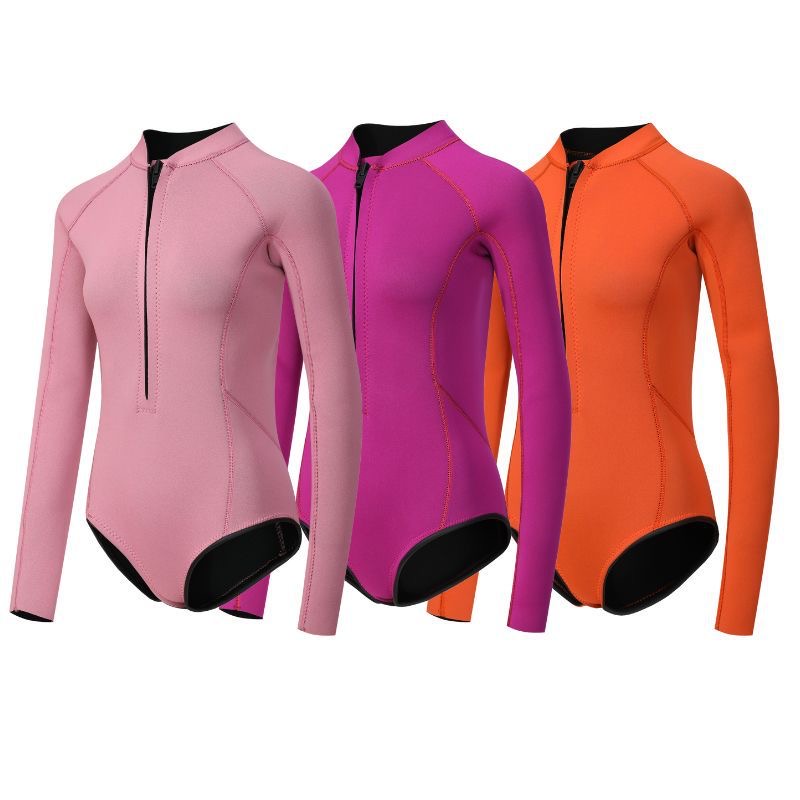
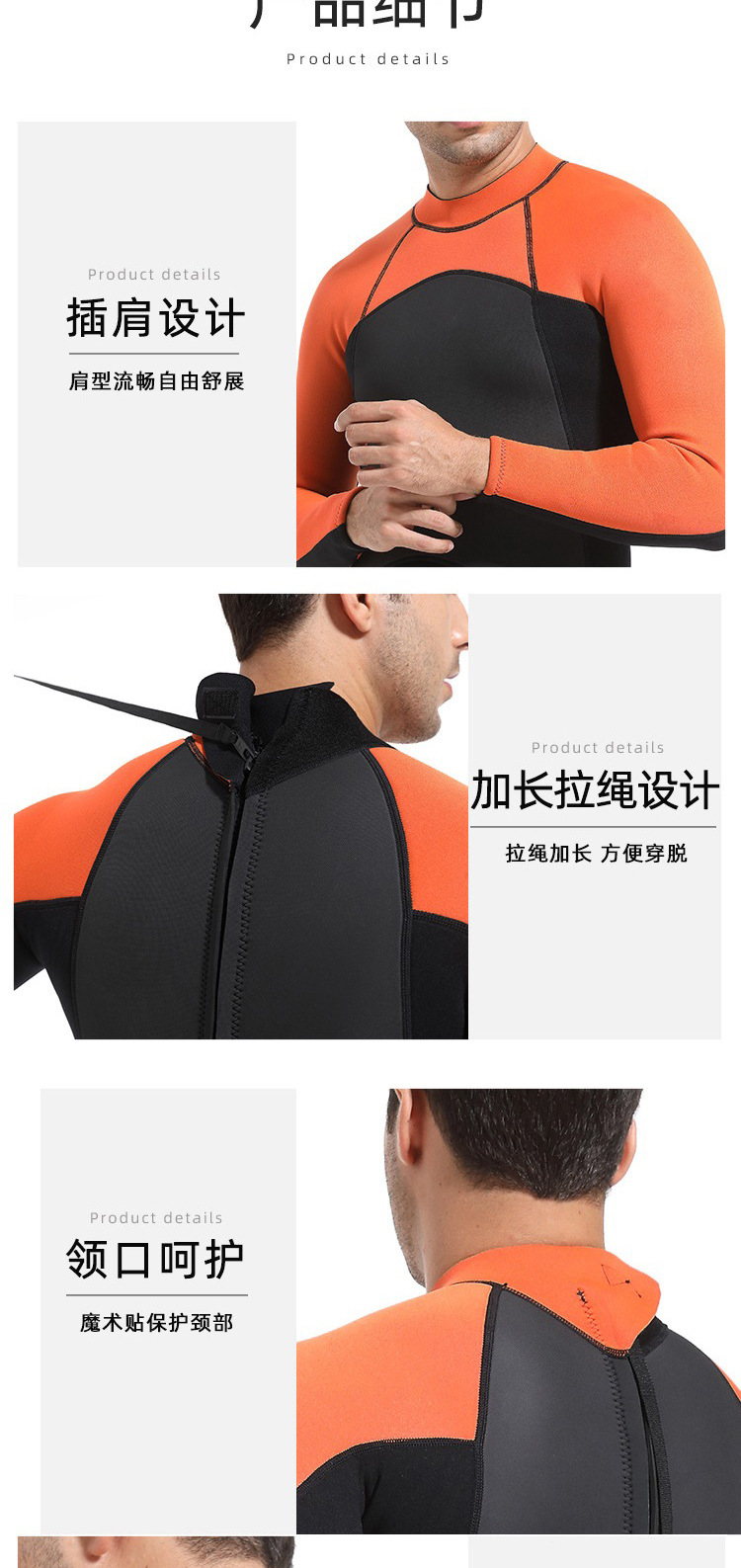
– **Application scenarios**: Yamamoto 40 is generally used for high-end surfing wetsuits and other equipment that require extremely high flexibility and buoyancy. Some high-end water sports equipment brands will use Yamamoto 40 in key areas such as armpits, shoulders and arms that require more stretch; Yamamoto 39 is often used in some entry-level or mid-level water sports equipment, which can meet the needs of ordinary users for warmth, waterproofness and a certain degree of flexibility.
Leave A Comment