
Keeping your feet warm while diving in cold water requires attention to three aspects: equipment selection, diving techniques, and physical preparation.
I. Choosing the Right Warm Gear
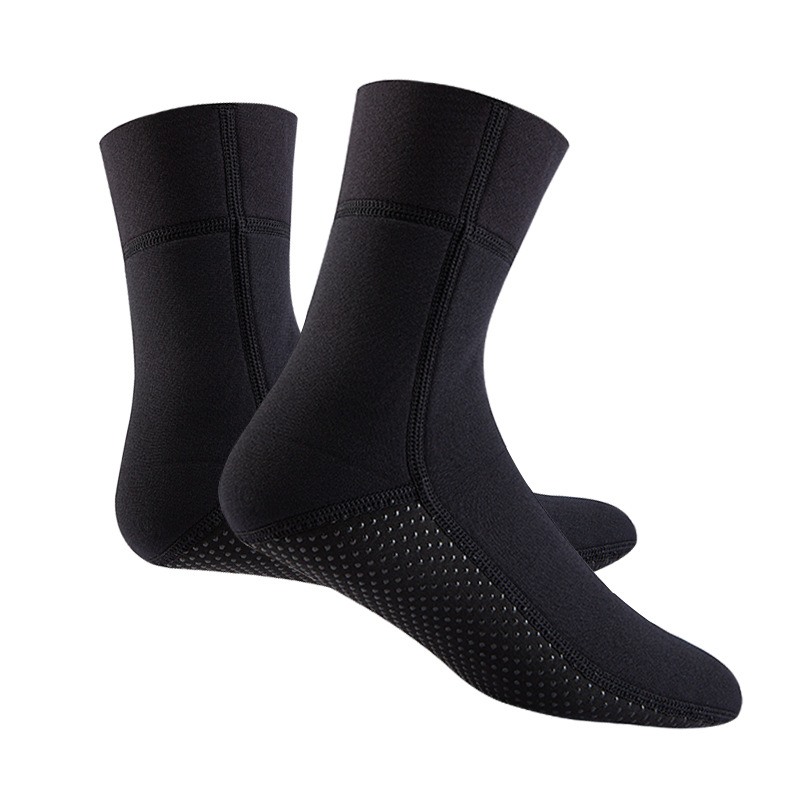
Diving socks and boots are crucial. Diving socks, made of 3mm thick neoprene, effectively insulate against cold water and keep feet warm. The thickened rubber padding and non-slip design on the sole not only provide warmth but also prevent slipping on wet surfaces. For diving boots, choose 5mm or thicker styles; the high-top design better prevents cold water from entering.
Pay attention to the combination of equipment: It is recommended to wear the diving socks inside, then the diving boots, and finally the diving pants over the boots. This will help keep your feet dry for a period of time after entering the water.
II. Warmth-Keeping Techniques During Diving
Maintain appropriate movement: During diving, moderate leg kicks can promote blood circulation in the feet and generate heat. However, be careful not to overexert yourself and become fatigued, as fatigue will accelerate heat loss.
Avoid prolonged stillness: Do not hover or remain stationary for extended periods. Moderate movement helps maintain body temperature better than complete immobility. However, avoid frequent ascents and descents, as each consumes a significant amount of compressed air and disrupts body temperature stability.
III. Preparation and Recovery Before and After Diving
Pre-dive warm-up: Perform thorough warm-up exercises before entering the water, especially for your hands and feet. This promotes blood circulation and prepares your body for the cold.
Post-dive recovery: Immediately after surfacing, dry your body with a towel, especially your feet. Change into pre-prepared dry, warm clothing and drink some warm beverages (caffeine-free and alcohol-free) to help your body gradually warm up.
Dietary adjustments: Eating a meal rich in fat and carbohydrates before diving helps provide the body with the necessary energy. After diving, you can drink a cup of hot, salty broth to aid recovery.
IV. Precautions
• Avoid overly tight equipment: Overly tight diving boots or socks can compress blood vessels, affecting blood circulation and causing your feet to feel colder. Choosing the correct size equipment is crucial.
• Pay close attention to your body’s signals: Be mindful of the sensations in your feet. If you experience tingling, numbness, or notice abnormal paleness or bluish discoloration of your skin, get out of the water immediately. These could be early signs of frostbite.
• Never dive alone: Never dive alone in winter. Maintain close communication with your dive buddy, check on each other’s condition, and always prioritize safety.
With appropriate equipment, proper diving techniques, and thorough preparation, you can effectively keep your feet warm while diving in cold water and enjoy a safe and comfortable underwater experience.
Leave A Comment