
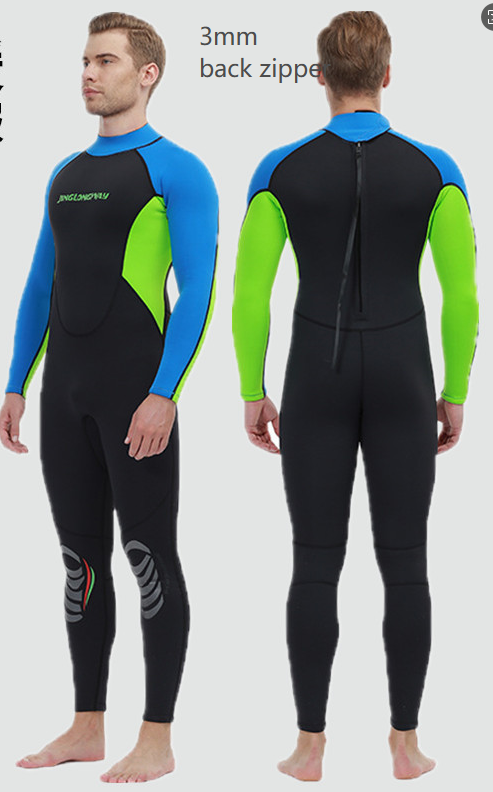
The core material of wetsuits (especially wetsuits), neoprene, inevitably ages, softens, and loses elasticity over time due to use and environmental factors. This is primarily caused by foam structure collapse, plasticizer evaporation, and UV damage.
This is an irreversible physicochemical change, and there is currently no way to completely restore it to its original condition. However, through proper maintenance, use, and repair, this process can be significantly slowed down, and its performance and lifespan can be improved to some extent.
Here is a systematic approach to addressing this problem:
I. Core Understanding: Prevention is Better than Cure
First, we must accept that aging is irreversible; therefore, all efforts should focus on “delaying the next aging” and “maintaining optimal function in its current state.”
II. Daily Maintenance Guidelines (Extending Existing Elasticity Life)
This is the most effective and economical part. Treat your wetsuit like a precision instrument.
1. Cleaning:
◦ Rinse thoroughly inside and out with clean water immediately after each dive to remove salt, sand, chlorine, and organic matter.
◦ Use a dedicated wetsuit cleaner regularly: 1-2 times per month, or whenever you notice an odor. It breaks down sweat, oil, and bacteria, which are major culprits in breaking down rubber. Never use laundry detergent, soap, shampoo, etc., as they will accelerate plasticizer leaching and material hardening.
2. Drying:
◦ Air dry in the shade! Absolutely avoid direct sunlight, radiator heating, or high-temperature environments. UV rays are the number one killer of neoprene rubber.
◦ Hang on a wide, sturdy hanger to avoid bulging at the shoulders. Ideally, turn inside out and air dry alternately to ensure the inside is completely dry and prevent mold growth.
3. Wearing and Removing:
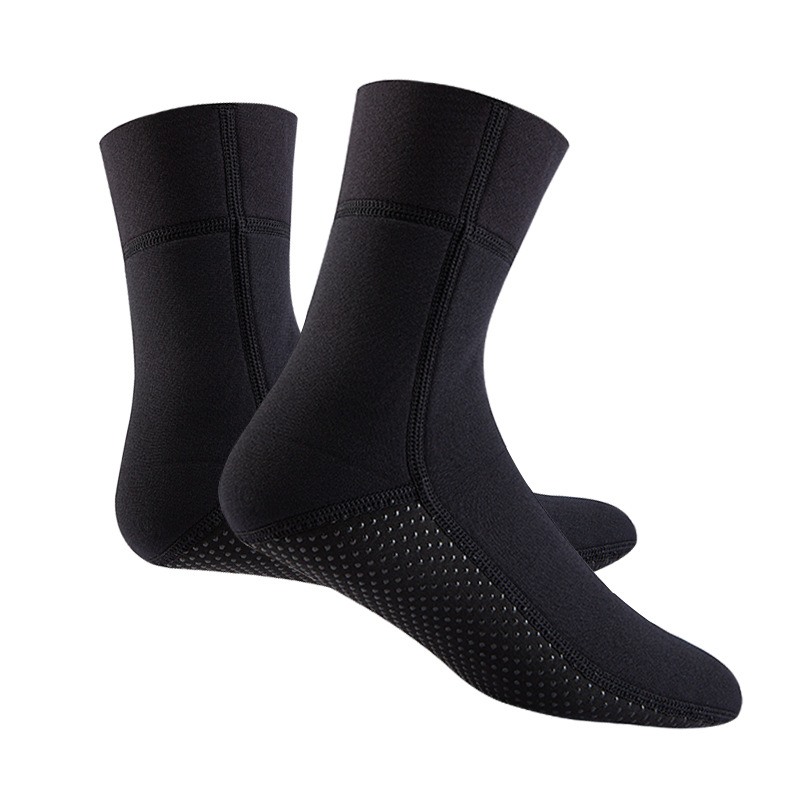
◦ Always wear diving socks/boot covers: Friction at the heels is the first cause of damage to the fabric and seams at the ankles.
◦ Avoid scratching with fingernails or jewelry: Handle gently when putting on the suit, paying particular attention to rings, watches, etc.
◦ Use wetsuit lubricant: Apply a special lubricant (such as “Jazz”) or a small amount of unscented baby shampoo to the wrists, ankles, and neck to greatly reduce stretching stress when putting on and taking off the suit.
4. Storage:
◦ Ensure the suit is completely dry and cool before laying it flat or loosely folded for storage.
◦ Never hang it tightly for extended periods, as this can cause permanent deformation.
◦ Store in a cool, dry, and well-ventilated place, avoiding contact with oils and chemicals.
III. Improvement Strategies for Wetsuits That Have Softened/Lost Inelasticity
1. Functional Assessment:
◦ Has insulation and buoyancy decreased significantly? If it has only softened slightly but is not damaged, it can still provide basic insulation and protection and can be used in warmer waters or as an inner layer.
◦ Are critical areas (shoulders, knees, hips) severely thinned or prone to tearing? 1. If so, its structural strength is insufficient, and forced use poses a risk of water ingress.
2. Limited Repair and Reinforcement:
◦ Reinforcement of seams and vulnerable areas: Preventative reinforcement at stress points such as internal seams, knees, and elbows using neoprene-specific adhesive and patches can delay further tearing in these areas.
◦ Replace zippers/seams: If only the zipper is worn out or there are localized seam cracks, it can be replaced by a professional wetsuit repair shop at a cost far lower than a new suit.
3. Misconceptions and Truths about “Restoring” Elasticity:
◦ Online “remedies” (such as using rubber activators, silicone oil spray, hot water soaking, etc.) are basically ineffective and extremely risky. These chemicals may temporarily make the surface “feel” soft, but they will accelerate material decomposition from the inside or damage the waterproof coating, resulting in more harm than good.
◦ The only physical improvement: Gently and repeatedly stretching the wetsuit longitudinally (from the feet to the collar) can sometimes help temporarily “stretch” the compressed foam structure caused by improper storage, but the effect is minimal, and extreme care must be taken to avoid tearing.
IV. Decision Recommendations: When to Forgo Repair and Buy a New Suit?
Please judge based on the following situations. If any one of these conditions is met, investing in a new suit is a safer and more economical choice:
Situation | Recommended Action
* The neoprene rubber is severely hardened and brittle, and white cracks appear with a slight fold: Replace immediately. The material’s lifespan has ended.
* The foam layer has lost elasticity over a large area, is compacted, and its thickness has significantly decreased: Replace. Insulation and buoyancy have been severely compromised.
* Multiple irreparable tears and delaminations: Replace. Repair costs are approaching the price of a new suit.
* Used for diving in cold waters, but the insulation is noticeably insufficient: Replace. The risk of hypothermia cannot be underestimated.
* The wetsuit has been used for more than 5-8 years and is frequently used: Seriously consider replacement. Even if the appearance is still acceptable, the material performance has significantly deteriorated.
Summary:
When faced with a softened and inelastic wetsuit, our core strategy is “delay, maintain, make the most of it, and retire it at the appropriate time.”
1. Immediately perform proper daily maintenance to protect your current and future wetsuits.
2. Accept the reality that your current wetsuit’s performance has permanently declined and assess whether it can still meet your diving needs (water temperature, activity intensity).
3. Perform preventative reinforcement on critical areas to extend its service life.
4. When it can no longer guarantee safety, insulation, and basic structural integrity, do not hesitate to retire it and invest in a new wetsuit. This is the best guarantee for your safety.

Leave A Comment