
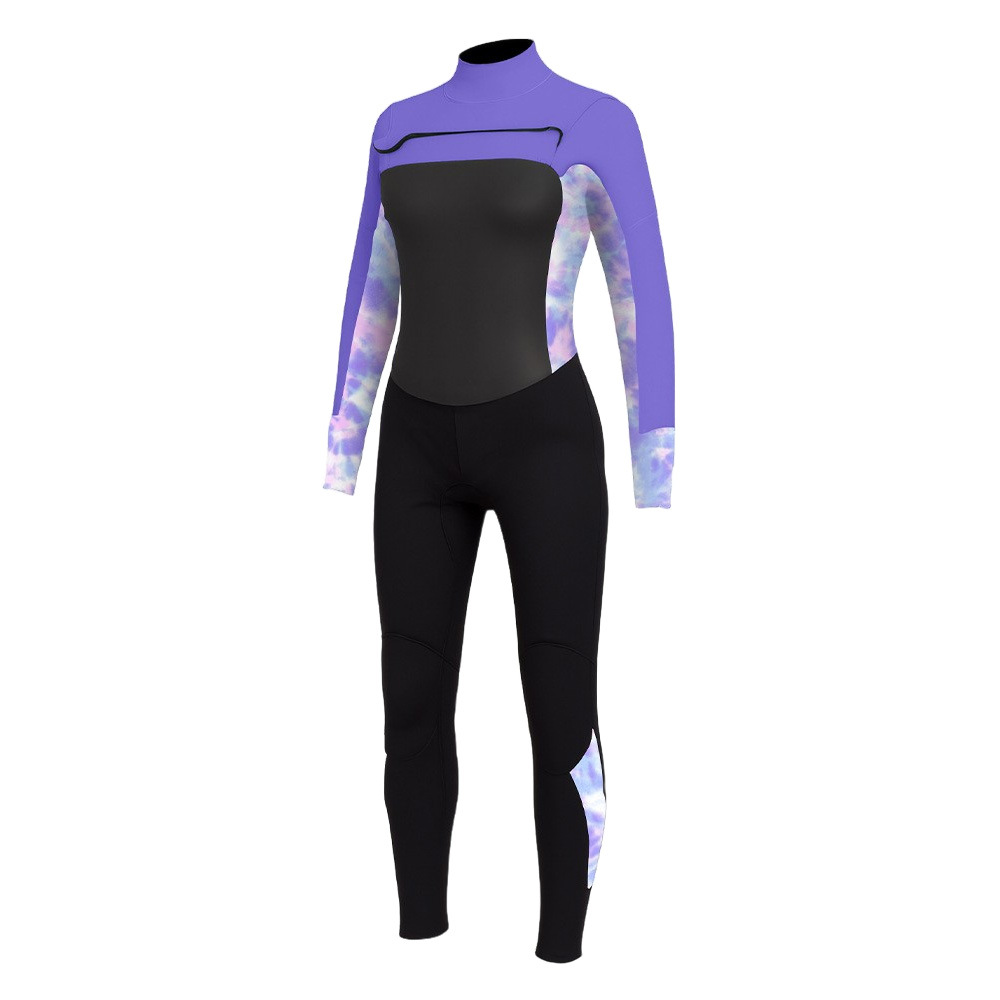
Repairing the buoyancy foam (usually the inner neoprene foam layer) of a wetsuit (primarily a wetsuit) is a task requiring patience and skill. The feasibility and effectiveness depend on the type and location of the damage. Here is a step-by-step guide and key suggestions:
——
I. Assessing the Type of Damage
1. Small holes or scratches: Easiest to repair, high success rate.
2. Large tears: Repairable, but strength and aesthetics will decrease.
3. Aged, powdery, or inelastic foam layer: Unrepairable; this is a sign of the material’s end of life, and repair is largely pointless.
4. Delamination (fabric separating from the foam layer): Can be re-bonded.
II. Tools and Materials Required for Repair
Specialized tools can greatly improve the success rate:
• Core Material:
◦ Neoprene-specific adhesive: This is the most crucial material. Ordinary all-purpose glue, super glue (such as 401, 502), or hot melt glue are not suitable, as they will corrode the foam or cause it to lack elasticity. Professional brands such as Aquaseal, Black Witch, and McNett’s wetsuit cement are recommended.
◦ Neoprene patch: It’s best to cut it from an old wetsuit or purchase a dedicated patch. The thickness and elasticity should be matched as closely as possible.
• Auxiliary tools:
◦ Scissors
◦ Sandpaper (approximately 120-240 grit)
◦ Anhydrous alcohol (isopropyl alcohol) or a specialized cleaner
◦ Tongue depressor or small scraper
◦ Heavy object or specialized pressing roller
◦ Disposable gloves; operate in a well-ventilated area.
III. Step-by-step repair process (taking a small hole as an example)
Step 1: Cleaning and Preparation
• Ensure the damaged area is completely dry.
• Trim loose fibers and rubber at the damaged area with scissors to make the edges neat.
• Use sandpaper to lightly sand both sides of the hole to create a rough surface slightly larger than the patch, increasing adhesion. Thoroughly remove any dust after sanding.
Step 2: Clean the Surface
• Use a cotton swab dipped in anhydrous alcohol to carefully wipe the sanded area, removing all grease, dirt, and release agent. Allow the alcohol to evaporate completely.
Step 3: Apply Adhesive
• Key Tip: Apply a thin, even layer of the special adhesive to both the inside of the hole and the adhesive surface of the patch.
• Allow the adhesive to partially dry until it is touch-dry but not sticky (refer to the adhesive instructions, usually 5-15 minutes). This is the secret to achieving maximum adhesive strength.
Step 4: Attach and Press
• Align the patch and carefully attach it, starting from one side, avoiding air bubbles.
• Immediately use a pressing roller or your thumb to firmly roll and press the patch against the substrate, ensuring complete contact and removing all air.
• Press down evenly with a heavy object (such as a book), or secure with special clips.
Step 5: Curing
• Strictly follow the curing time instructions on the adhesive. It usually takes 24-48 hours to reach full strength. Avoid stretching or bending the area during this time.
——
IV. Additional Suggestions for Specific Situations
• Fabric and Foam Layer Separation:
◦ Carefully tear the separated section to a workable length.
◦ Thoroughly clean the inside of the foam layer and the inside of the fabric with cotton swabs and alcohol.
◦ Apply a thin layer of adhesive to both, allow to touch dry, carefully align and bond, and apply pressure to cure.
• Seam Cracking:
◦ It is best to use a special neoprene seam adhesive, which can penetrate and seal the seam.
◦ After cleaning, carefully inject or apply adhesive to the cracked seam, then press together.
V. Important Precautions and Limitations
1. Expected Results: Repair primarily aims to waterproof, insulate, and prevent further damage. The repaired area will typically harden and lose its original elasticity, potentially affecting comfort and mobility. Visible traces will remain.
2. Strength: The strength of a repaired suit will never reach the original factory level, especially when subjected to high-intensity tensile stress.
3. Unrepairable Situations: If the neoprene foam itself is severely aged, has lost its elasticity, or is extensively brittle, any repair will only be temporary; replacement of the wetsuit is recommended.
4. Professional Repair: For high-value wetsuits or severe damage to critical areas (such as shoulders or knees), consider taking it to a professional wetsuit repair shop, which has better materials, equipment, and experience.
Summary: Repairing small holes is an economical and feasible DIY project. The key is using the correct specialized adhesive and following the process of “applying adhesive to both sides, allowing it to dry slightly, and then bonding.” However, for large-area damage or severely aged wetsuits, the cost-effectiveness and effectiveness of repair are limited; replacement may be a wiser choice.

Leave A Comment