
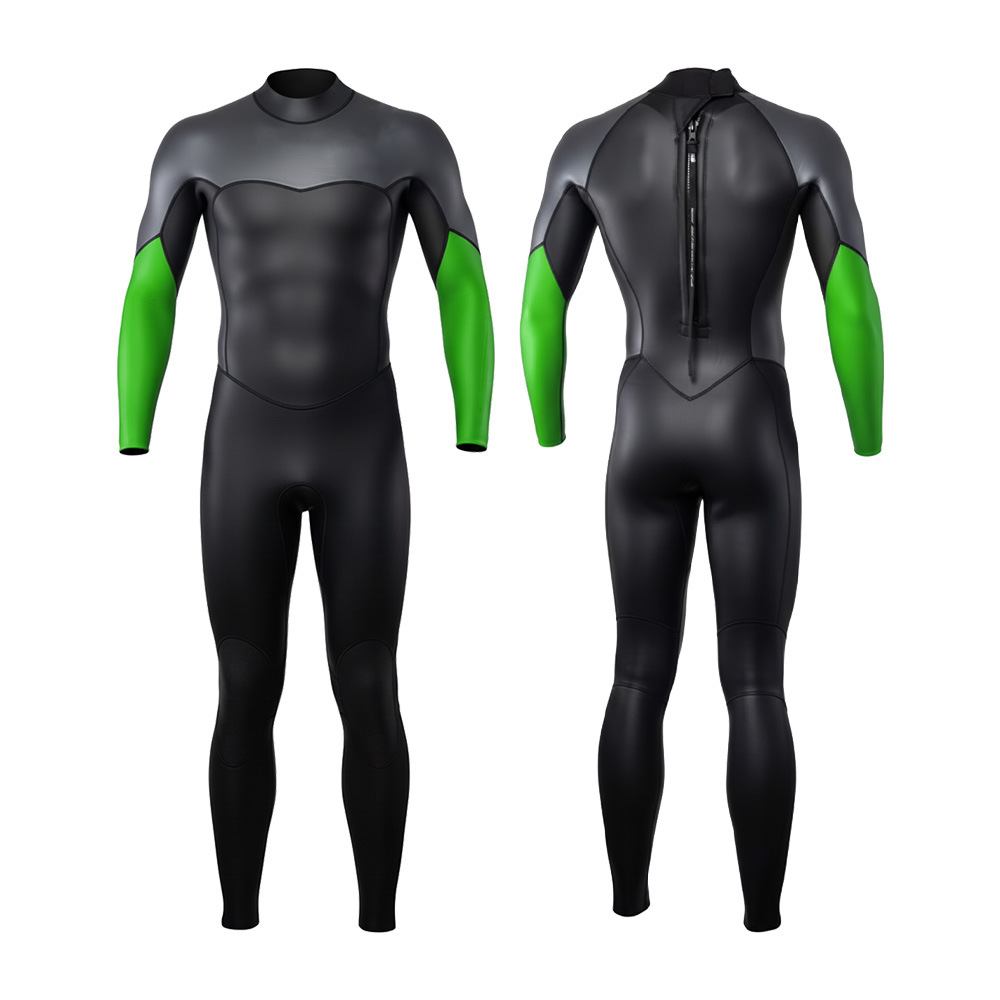
The way a wetsuit is stored directly affects its lifespan and performance. Proper storage can prevent material aging, deformation, and odor development. Here are detailed storage steps and precautions:
——
I. Key Steps Before Storage
1. Thorough Cleaning
◦ After each use, thoroughly rinse the inside and outside with fresh water, especially zippers, Velcro, and seams, to remove seawater, sand, sweat, and bacteria.
◦ Use a dedicated wetsuit cleaner (or mild neutral soap). Avoid using laundry detergent, bleach, or strong acid/alkaline cleaners, as these can damage the neoprene rubber.
2. Complete Drying
◦ Turn the wetsuit inside out and hang it in a cool, well-ventilated place to air dry naturally, avoiding direct sunlight (UV rays accelerate rubber aging).
◦ Ensure the inside is completely dry; otherwise, a damp environment can easily breed mold and odors.
3. Avoid Folding and Compression
◦ Prolonged folding will cause neoprene rubber to lose elasticity and develop permanent wrinkles. Hanging or laying flat for storage is recommended.
——
II. Short-Term Storage (Days to Weeks)
• Hang on a wide-shouldered hanger in a dry, dark, and well-ventilated closet or storage room.
• If space is limited, roll loosely to avoid excessive compression.
—–
III. Long-Term Storage (Months and More)
1. After cleaning and drying, turn the garment inside out (to prevent the inside from sticking together).
2. Lay flat or roll loosely in a cool, dry place. It can be placed in a breathable storage bag (do not use sealed plastic bags).
3. Keep away from heat sources and chemicals: Avoid proximity to heaters, engines, mothballs, gasoline, etc., to prevent material deterioration.
4. Moisture and Insect Prevention: Place a desiccant (such as a silica gel desiccant packet) in the storage space and check for moisture regularly.
—–
IV. Special Material Precautions
• Wool-lined wetsuits: Ensure thorough drying to prevent mold.
• Graphite/Titanium Alloy Coated Wetsuits: Avoid rubbing the coated surface; hang on a soft hanger.
——
V. Common Mistakes to Avoid
• ❌ Exposing to direct sunlight or using a dryer → Causes rubber to harden and crack.
• ❌ Storing in a damp, sealed container → Causes mold and odor.
• ❌ Long-term compression and folding → Loss of elasticity and deformation.
• ❌ Hanging directly on a thin hanger → Causes shoulder deformation (use a wide hanger).
—–
VI. Seasonal Storage and Inspection
If not used for an extended period, it is recommended to remove and inspect the garment every 2-3 months, air-dry it in a well-ventilated area (away from light) before storing it again to ensure there are no signs of mold or aging.
—–
Appendix: Simplified Storage Procedure
After use → Rinse with fresh water → Clean with a specialized cleaner → Dry inside out in a cool, shaded place → Turn right side out → Hang/lay flat in a dry, dark place → Check regularly.
Following these methods will significantly extend the lifespan of your wetsuit and maintain its warmth and comfort. If the local climate is humid, additional dehumidifiers can be used to protect the equipment.

Leave A Comment