
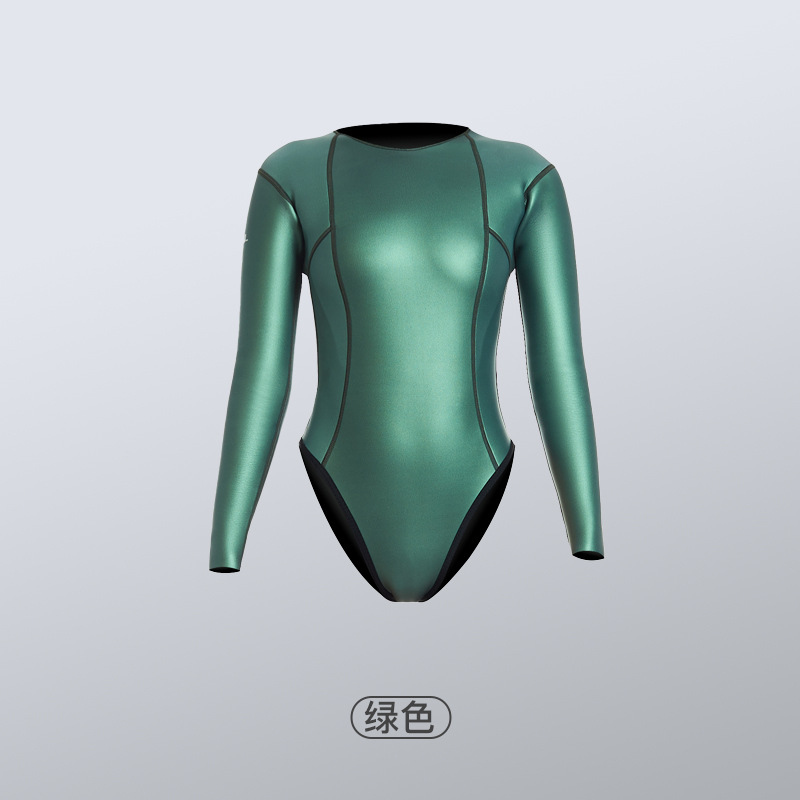
Okay, proper cleaning and maintenance of your wetsuit is key to extending its lifespan and maintaining its warmth and elasticity. Here’s a detailed step-by-step guide and precautions.
Core Principles
• Clean Promptly: Rinse with clean water as soon as possible after each use. Seawater salt, pool chlorine, sand, sweat, and body oils are the biggest enemies of wetsuits, accelerating the aging of the rubber (neoprene) and loss of elasticity.
• Gentle Handling: Avoid using strong chemicals, high temperatures, violent wringing, and improper drying.
• Proper Storage: Ensure it is completely dry before laying it flat or hanging it loosely. Avoid prolonged compression or folding.
——
Detailed Cleaning and Maintenance Steps
1. Pre-treatment Immediately After Use (Crucial Step!)
• After Ashore: Immediately rinse the wetsuit inside and out with clean, cool fresh water (using a hose or bucket) to remove most of the salt, sand, and chlorine.
• Soaking: If possible, soak the wetsuit in a large basin or bathtub filled with fresh water for 15-20 minutes to allow the salts inside the material to leach out.
2. Formal Cleaning
• Cleaning Frequency: Should be performed after each use.
• Cleaning Agents:
◦ Best Choice: Use a dedicated wetsuit cleaner or a mild neoprene cleaner. These products effectively remove odors and grease without damaging the material.
◦ Secondary Choice: Additive-free mild shower gel or baby shampoo.
◦ Do Not Use: Laundry detergent, fabric softener, bleach, strong acid/alkali cleaners, dish soap, etc. These will severely damage neoprene and the stitching.
• Cleaning Method:
1. Add a small amount of the dedicated cleaner to clean water and stir well by hand.
2. Immerse the wetsuit inside and out in the solution, gently rubbing heavily soiled areas (such as the collar and cuffs).
3. Gently squeeze by hand to allow water to flow through the fabric. Do not scrub, rub, or use a washing machine (especially a front-loading machine), as this can cause pilling, deformation, and seam cracking.
3. Rinsing and Dehydration
• Thorough Rinse: Rinse the wetsuit repeatedly with plenty of running water until no more foam is visible.
• Remove Excess Water:
◦ Do not wring! Wringing like a towel will damage the internal bubble structure, leading to deformation and reduced warmth.
◦ Correct Method: Lay the wetsuit flat or hang it, and gently smooth and press it from top to bottom to squeeze out most of the water.
4. Drying
• Avoid Direct Sunlight: Ultraviolet rays are the enemy of neoprene, causing it to harden, become brittle, and fade. Always air dry in a cool, well-ventilated place.
• Proper Hanging:
◦ Best Method: Use a wide-shouldered hanger or a dedicated wetsuit hanger (which can hang both the top and bottom).
• Avoidance: Do not use thin wire hangers or hang it only at one point (such as the waist), as this will cause the shoulders to stretch and deform.
• Alternative: Fold it in half and drape it on a clothesline, ensuring air circulation.
• Turn it inside out to dry: When almost dry, turn the wetsuit inside out to ensure the inner layer is completely dry and prevent mold growth.
5. Storage and Storage
• Ensure 100% dryness: Even storing it in a slightly damp state can lead to mold and persistent odors.
• Avoid prolonged folding: Folding in a fixed position for extended periods will create permanent creases and damage neoprene.
• Best storage methods:
◦ Lay it flat in a spacious drawer, storage box, or shelf.
◦ Roll it up loosely for storage.
◦ If space is limited and hanging is necessary, use a wide-shoulder hanger.
• Environment: Store in a cool, dry, and dark place, away from heat sources (such as heaters and engines) and chemicals.
——
Frequently Asked Questions and Special Care
• Odor Removal: If there is a slight odor, soak the garment in warm water with a specialized wetsuit cleaner or baking soda solution for 1 hour, then rinse thoroughly. A strong odor may indicate bacterial growth inside and requires multiple treatments.
• Repair: Small scratches and tears can be repaired promptly with specialized wetsuit glue (neoprene glue) to prevent them from worsening. Large tears require professional repair.
• UV Protection: Choose a style with UV protection when purchasing. Use a specialized cleaner containing sunscreen ingredients when washing.
• Wearing and Removing Tips:
◦ Before putting it on, spray some water on the hands, feet, and inside of the neck, or use a specialized lubricating spray to make it easier to put on and take off.
◦ Avoid pulling forcefully with your fingernails, especially at zippers and seams. Use plastic pieces (such as old credit cards) for assistance.
Maintenance Checklist Summary
Dos:
✅ Rinse immediately with fresh water after each use.
✅ Use a dedicated wetsuit cleaner or mild shower gel.
✅ Air dry in a cool, well-ventilated place.
✅ Store on a wide-shouldered hanger or laid flat/rolled up.
✅ Use water to lubricate when putting on and taking off.
✅ Repair minor damage promptly with dedicated glue.
✅ Ensure the garment is completely dry inside and out.
Don’ts:
❌ Do not fold or compress in a fixed position for extended periods.
❌ Do not expose to direct sunlight.
❌ Do not use a washing machine or dryer.
❌ Do not use clothespins or hangers.
❌ Do not use laundry detergent, fabric softener, or bleach.
❌ Do not wring out forcefully.
❌ Do not store while not completely dry.
By following these methods, a high-quality wetsuit can last you many years, maintaining excellent condition and optimal warmth.

Leave A Comment