
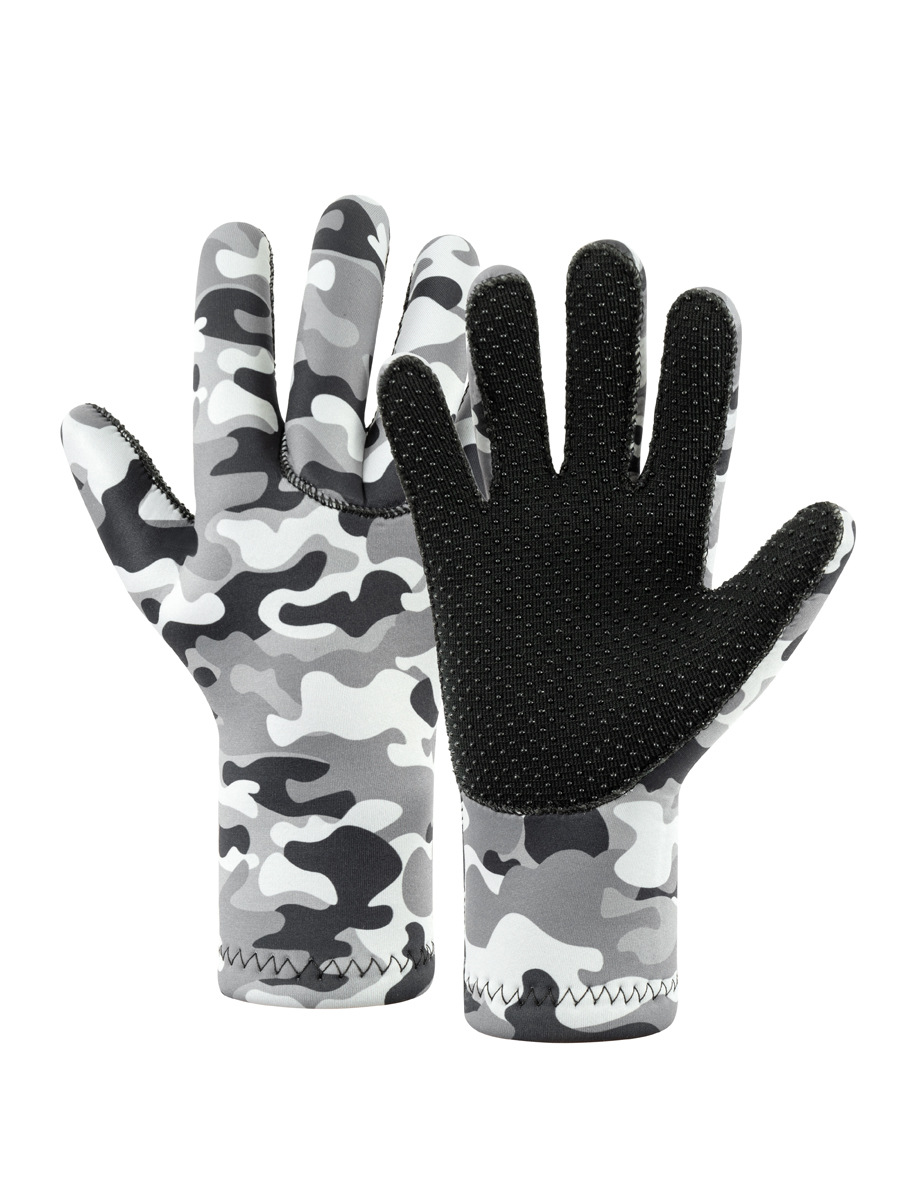
Different styles of wetsuits (also known as wetsuits) are designed to adapt to different water temperatures, sports types, and individual needs. Below is an analysis of the sports and scenarios suitable for high-waisted, full-body, and short-sleeved wetsuits:
——
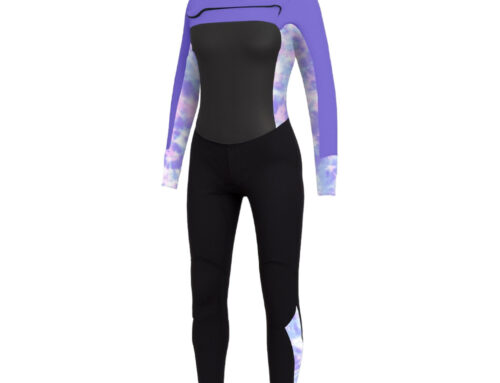
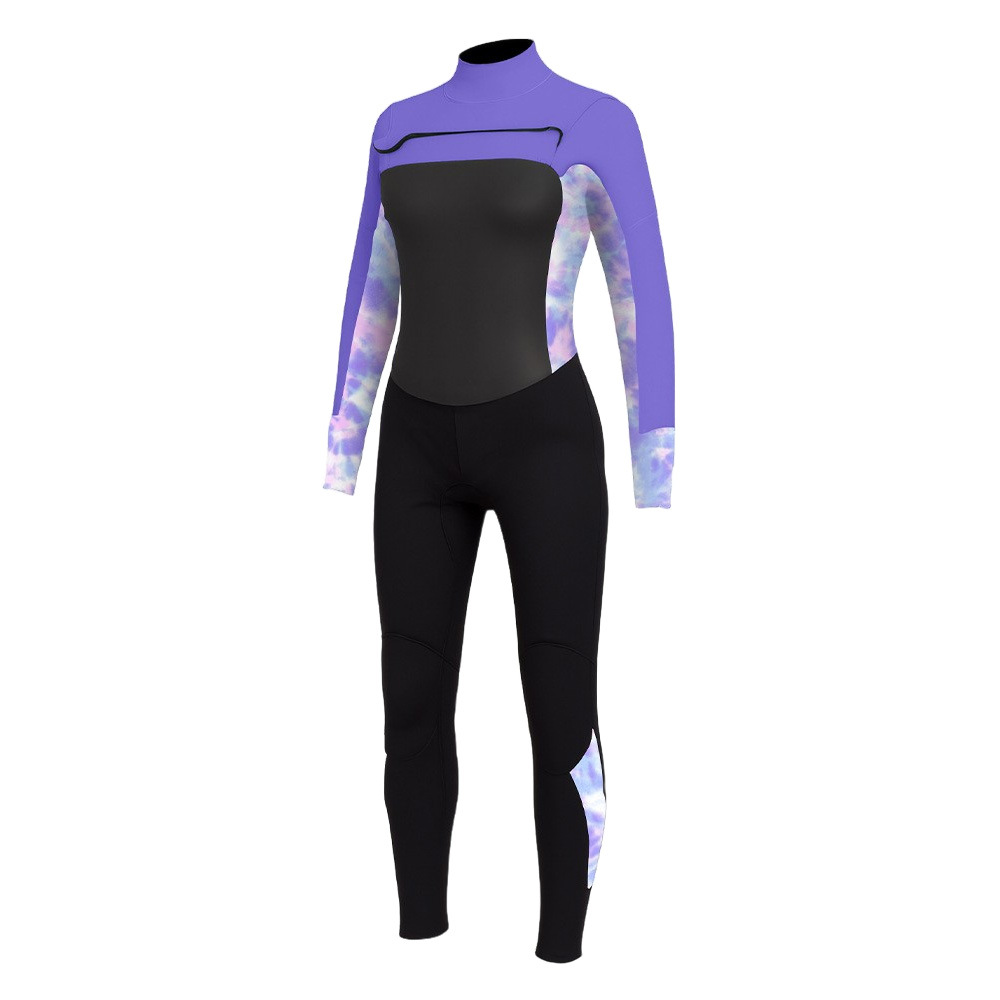
1. High-Waisted (High-Waist / Two-Piece)
• Features: Usually consists of a top and shorts, providing high waist coverage but exposing more of the limbs.
• Suitable Sports:
◦ Snorkeling/Water Parks: Suitable for warmer waters (such as tropical regions), moderate activity level, requiring flexibility and moderate warmth.
◦ Surfing/Paddleboarding: Suitable for warmer water environments (above 22°C), providing both sun protection and light warmth.
◦ Recreational Swimming: Suitable for open water in summer, high flexibility, easy to put on and take off.
• Advantages: Flexible and lightweight, easy to put on and take off, suitable for those who are sensitive to heat.
• Precautions: Less warm, not suitable for cold water.
——
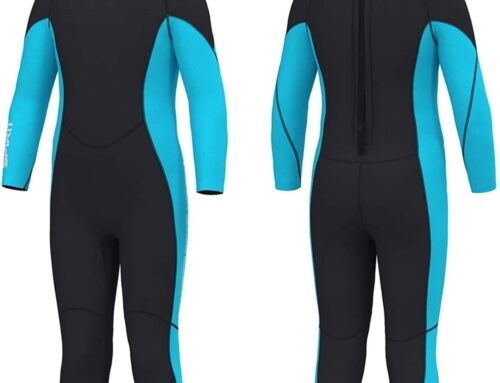
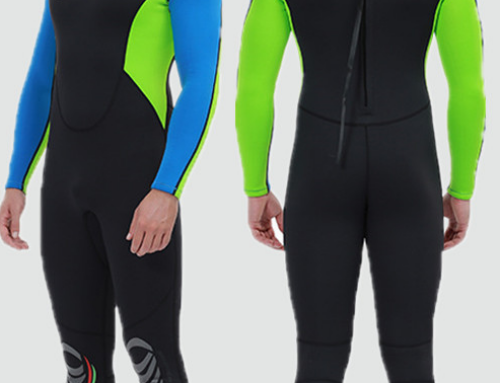
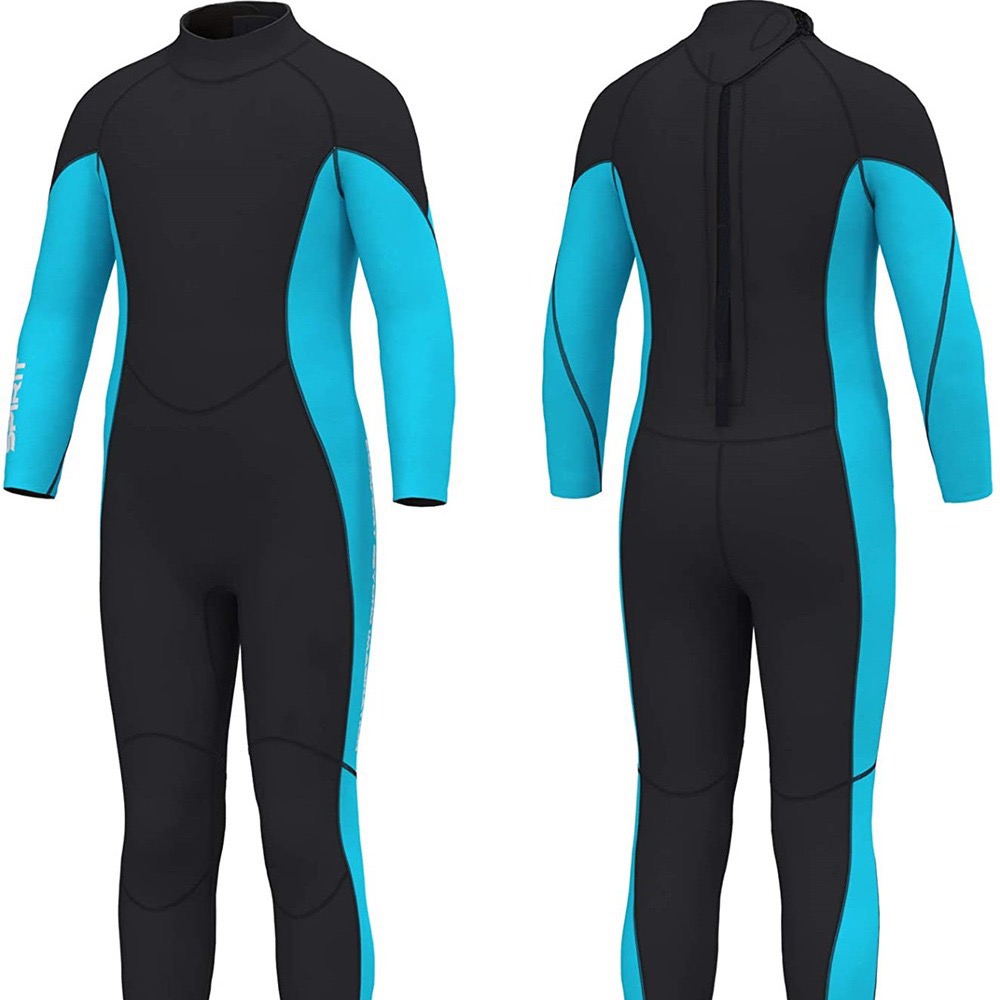
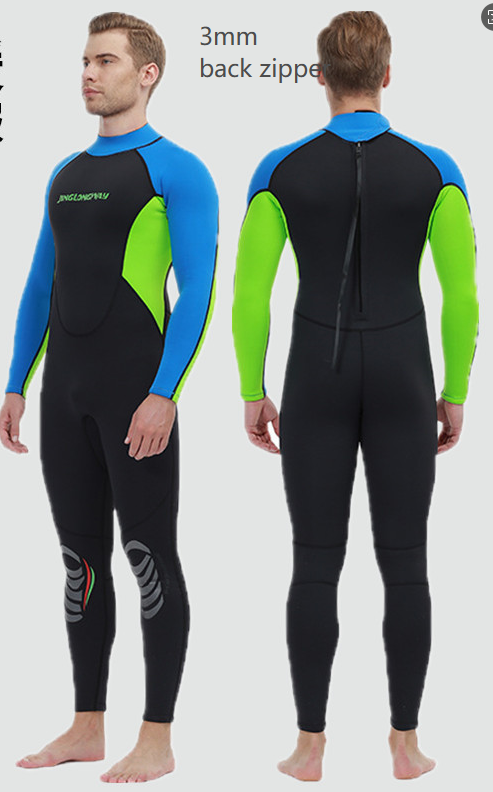
2. Full Suit
• Features: Full body coverage (long sleeves and pants), maximum warmth.
• Suitable for:
◦ Scuba diving: Suitable for cold waters (below 20°C), preventing hypothermia during prolonged dives.
◦ Freediving: Reduces heat loss in colder waters, extending dive time.
◦ Winter surfing/kite surfing: Suitable for cold seasons or cold regions (such as the Northern Hemisphere winter).
◦ Technical diving/wreck diving: Essential for long immersions in low water temperatures.
• Advantages: Optimal warmth, sun protection, and scratch protection.
• Precautions: Slightly less flexibility; may overheat in warm waters.
—–
3. Short-Sleeve Suit
• Features: Short-sleeve top + shorts or knee-length design, moderate coverage.
• Suitable Sports:
◦ Warm Water Diving: Water temperature between 22-28°C (e.g., Southeast Asia, Caribbean).
◦ Snorkeling/Recreational Diving: Provides basic warmth and sun protection, with a high degree of freedom of movement.
◦ Sailing/Kayaking: Suitable for summer water sports, protects against minor abrasions and UV rays.
◦ Children’s Swimming/Family Water Activities: Good flexibility, suitable for those who are sensitive to cold but do not require excessive protection.
• Advantages: Balances warmth and flexibility, wide applicable temperature range.
• Precautions: Not suitable for extreme low or high temperatures.
——
Quick Reference Guide
Style | Suitable Water Temperature | Typical Sports Scenarios
High-waisted | Above 26°C (Warm) | Snorkeling, Summer Surfing, Water Parks
Full-body | Below 22°C (Low Temperature) | Scuba Diving, Winter Surfing, Freediving (Cold Water)
Short-sleeved | 22-28°C (Mild) | Recreational Diving, Sailing, Warm Water Snorkeling
——
Additional Suggestions
• Material and Thickness: In addition to style, pay attention to the thickness of the wetsuit (commonly 1.5mm-7mm). Choose a thicker suit (5mm-7mm full-body) for low temperatures and a thinner suit (1.5mm-3mm) for high temperatures.
• Special Needs: Choose UV-protective fabric for sun protection; for dynamic water sports (such as surfing), choose designs that enhance joint flexibility.
• Importance of Trying On: Ensure a good fit without being too tight. Too loose and water will get in, affecting warmth; too tight and movement will be restricted.
Choosing the right style based on the specific sports environment and your individual cold tolerance can significantly improve comfort and safety.

Leave A Comment