
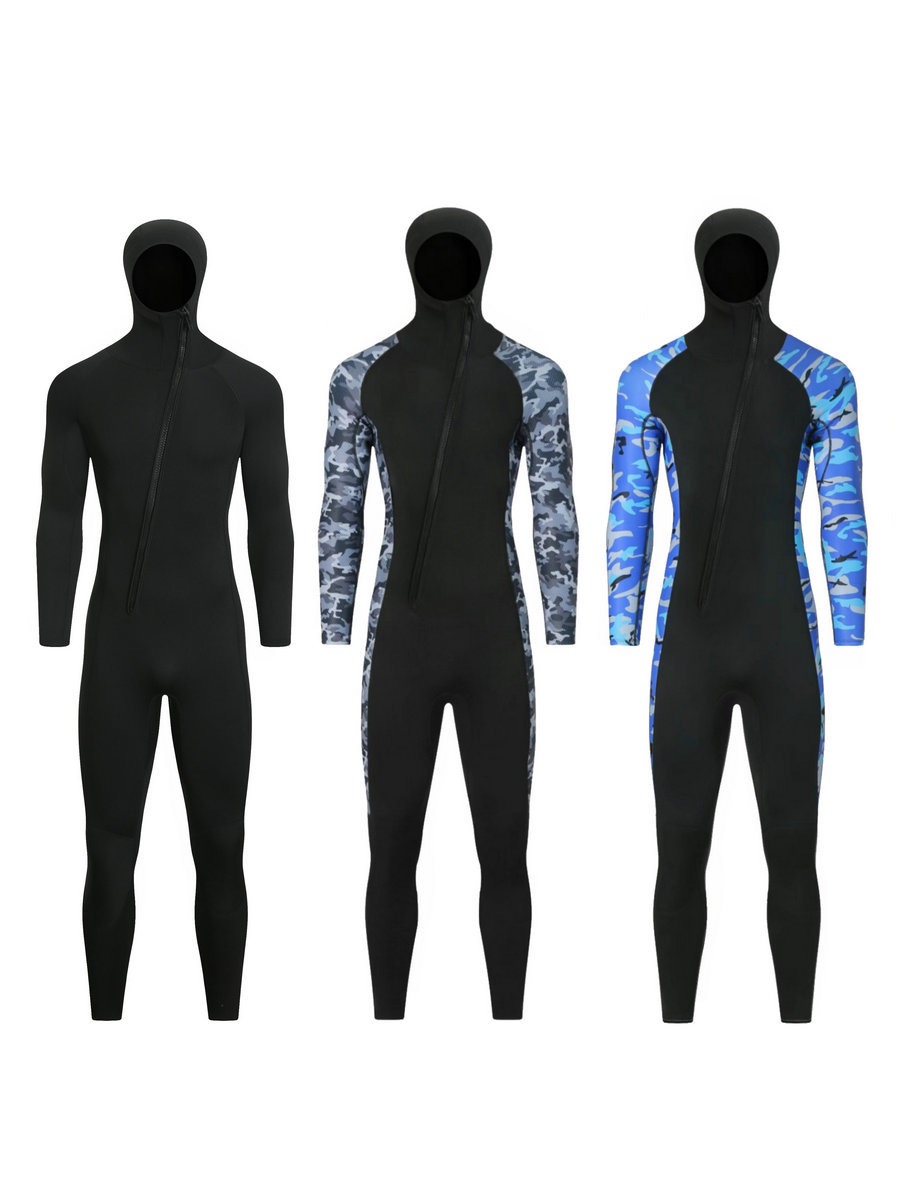
Okay, this is a very specific and interesting question. For beginner wetsuits in 2026, the core trend will be a fusion of “intelligent assistance, ultimate ease of use, modularity, and high cost-effectiveness.” It won’t be filled with cutting-edge technology like in science fiction movies, but rather a clever integration of mature technologies to solve real pain points for beginners.
Here are the characteristics and specific selection suggestions for the best wetsuits for beginners in 2026:
——
- Core Features of Beginner Wetsuits in 2026
- Materials and Comfort: Warmer “Entry-Level” Materials
◦ Mainstream: Closed-cell foam neoprene will become the mainstream for entry-level models. Compared to traditional open-cell materials, it is softer, more elastic, and warmer, making it easier for beginners to put on and take off, and allowing for greater freedom of movement underwater.
◦ High-end Deployment: Yamamoto series rubbers (such as #39, #45) may appear in mid-range products, offering top-notch stretch and warmth.
◦ Surface Treatment: Smooth skin or titanium-coated linings will become more common, greatly reducing friction when putting on and taking off, keeping skin dry.
- Design: “Ease of Use” Design Optimized for Beginners
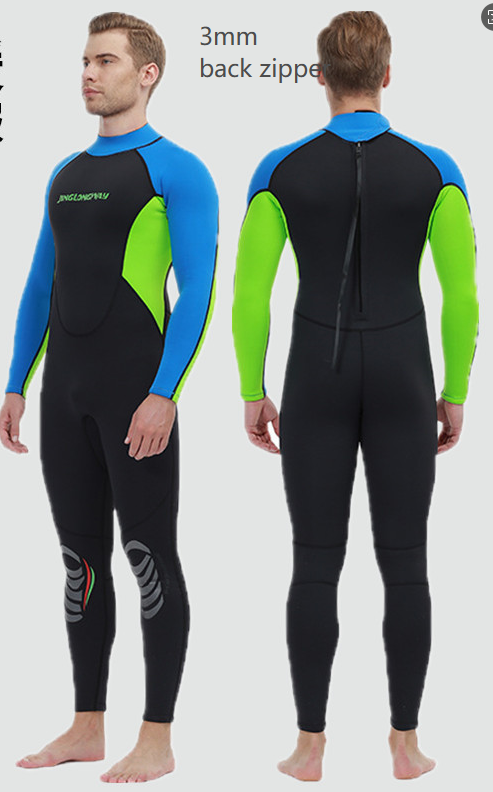
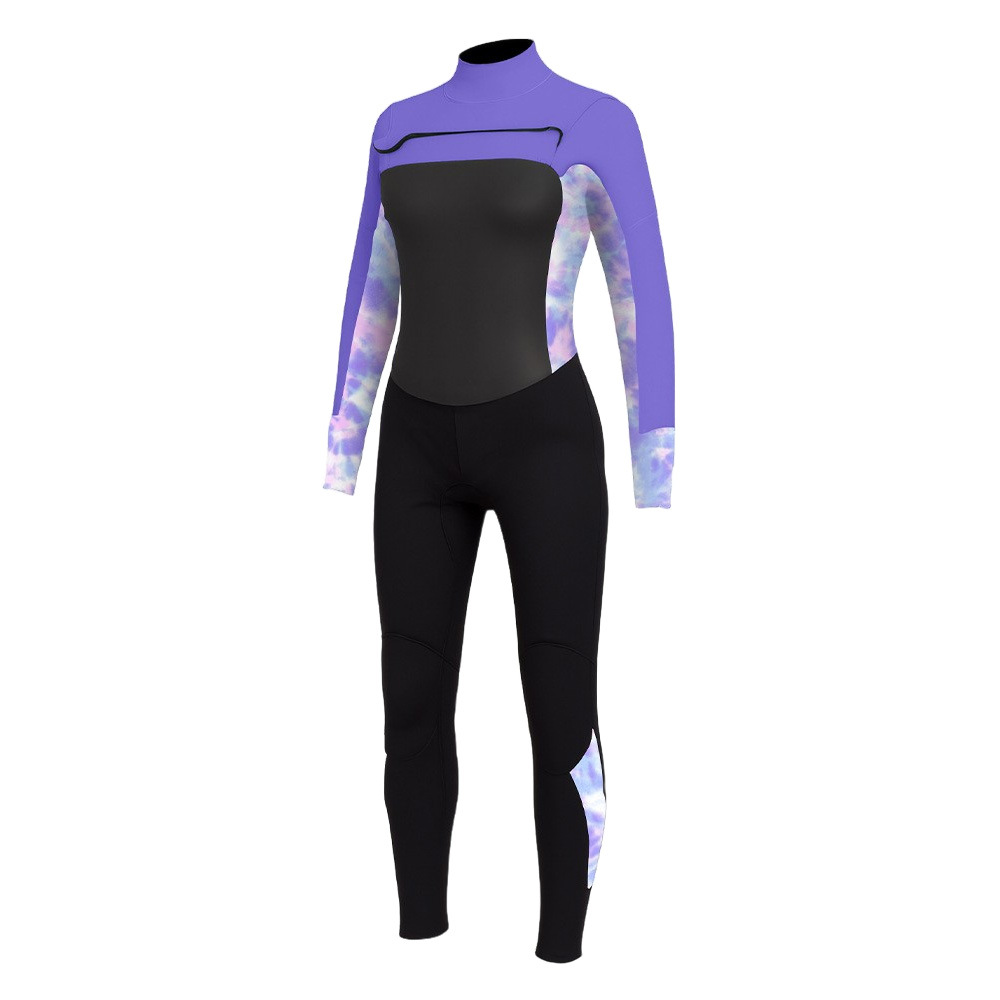
◦ Zipper Revolution: Chest zipper systems will become the absolute mainstream. They are easier to put on and take off by yourself than back zippers and offer better water resistance. Magnetic zipper pulls will become standard, allowing for easy operation even with gloves.
◦ Jointed 3D Fit: Pre-bent elbows and knees, along with elasticated fabric at the armpits and knee bends, ensure a comfortable fit in any posture, reducing fatigue and discomfort.
◦ Integrated Hood: More and more wetsuits will feature a one-piece integrated hood, preventing water from entering the neck and eliminating the need for separate putting on and taking off, making it more convenient.
- Smart: Practical “Safety Assistance”
◦ Not necessarily an embedded screen, but “connectable”. While the wetsuit itself may not contain complex electronic devices, it will provide seamless integration interfaces for smart devices:
▪ Smartwatch/Dive Computer Slot: A thickened pad with a recessed groove at the wrist allows for a snug fit of the smartwatch against the skin, accurately monitoring heart rate and blood oxygen.
▪ Airbag/Equipment Attachment Points: Velcro or quick-release areas are designed on the arms and thighs for easy installation of smart safety modules, such as LED warning lights that connect to an app, or wireless SOS beacons.
- Modularity and Sustainability
◦ Replaceable Parts: Elbows, knees, and other high-wear areas feature removable and replaceable thickened pads to extend the wetsuit’s lifespan.
◦ Eco-friendly Materials: Major brands extensively use recycled nylon made from recycled fishing nets and plastic bottles as fabric, and use more environmentally friendly adhesives. This is not just marketing; it’s an industry standard.
——
- Specific Selection Advice for Beginners in 2026
- Type Selection: Wetsuit
- Reason: Most beginners use wetsuits in their activity waters (tropical and subtropical) and for courses. They are reasonably priced, relatively easy to put on and take off, and widely applicable.
- Thickness Selection: 3mm – 5mm
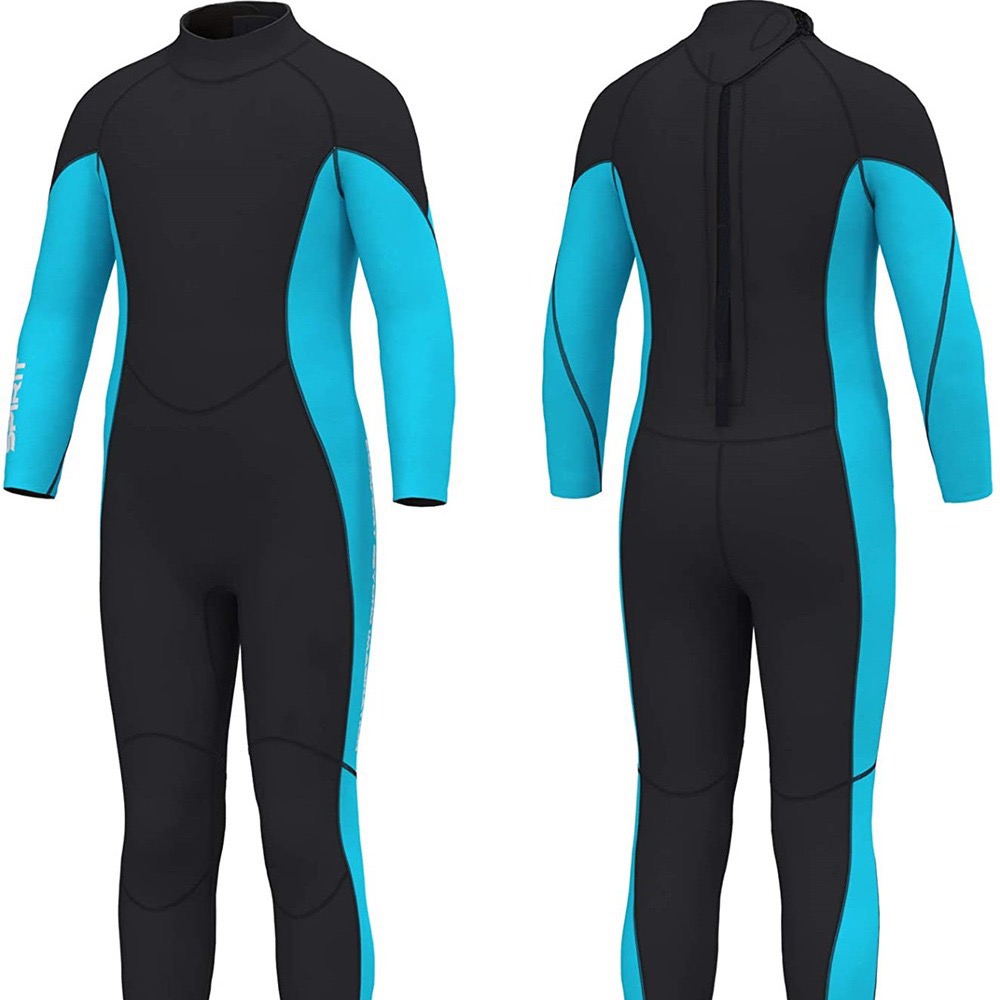
- Southeast Asia/Summer: A 3mm full-body suit or short-sleeved shorts style is sufficient.
- Most domestic sea areas/Spring and Autumn: A 5mm full-body suit + integrated hood is a safer choice to avoid prematurely ending the dive due to cold, thus affecting the experience.
- Key Purchasing Factors (2026 Edition)
- Fit is paramount: It must fit snugly like a “second skin,” without any looseness or wrinkles (which can cause cold water circulation). When purchasing online, always refer to the brand’s detailed size chart, and it’s best to try it on.
- Zipper placement: Chest zipper is preferred, followed by back zipper.
- Stitching Technique: Plain stitch with glued edges is preferred, followed by plain stitch/blind stitch. This determines waterproofness and durability.
——
III. Example of an Ideal “Starter Kit” for 2026
Assuming a beginner plans to obtain their OW certification in the summer of 2026, their ideal gear combination might be:
- A wetsuit with a 5mm chest zipper, perforated neoprene, and integrated hood
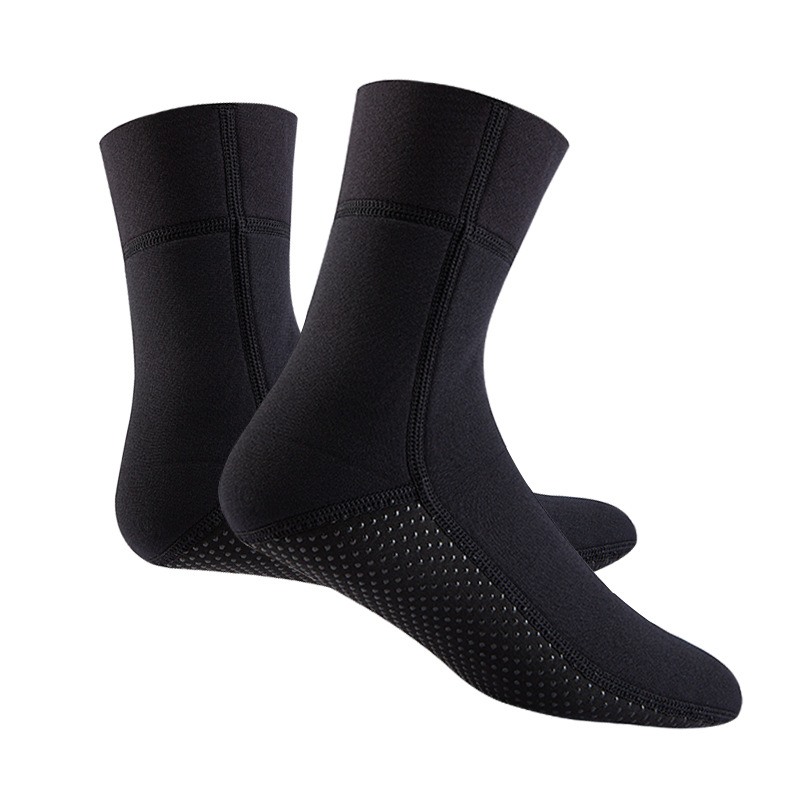
- A pair of 3mm diving socks (to prevent fin chafing)
- A pair of 3mm fingerless gloves (to protect hands and facilitate operation)
- A smart safety module that can be attached to the arm (such as a waterproof beacon with GPS and LEDs)
——
Important Note: The Combination of Technology and People
No matter how advanced technology becomes, for beginners, the most crucial “intelligence” will always be:
- A professional and responsible instructor: someone who can teach you proper donning and doffing techniques, care techniques, and underwater body temperature management.
- Systematic theoretical learning: Understanding the working principles of wetsuits and your own limits.
- A calm mindset and proper breathing: These are fundamental for maintaining body temperature and extending dive time.
In summary, the beginner wetsuit of 2026 will be a more mature product in terms of materials, design, and human-computer interaction. It will make your first underwater experience more comfortable, safer, and more confident. When purchasing, please prioritize “fit” and “ease of use” before focusing on those fancy smart features. Happy diving in 2026!

Leave A Comment