
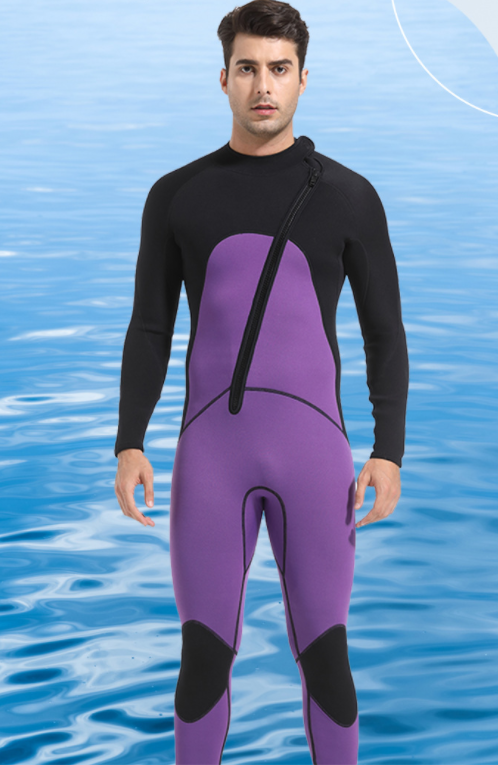
Wetsuit Fabrics: Nylon Lining vs. Smooth Skin Lining vs. Titanium Alloy Lining – Which is Best?
Choosing the right wetsuit fabric is crucial for balancing warmth, flexibility, durability, and ease of donning and doffing. Nylon linings, smooth skin linings, and titanium alloy linings each have their advantages and disadvantages, suitable for different needs and water conditions.
Below is a detailed analysis of the characteristics of these three mainstream fabrics:
I. Core Comparison Overview
Characteristics: Smooth Skin, Nylon Lining, Titanium/Metallic Lining (High-end Series)
Outer Layer Feel: Smooth Skin: Smooth as satin, like dolphin skin. Nylon Lining: Matte, slightly rough nylon texture; Titanium/Metallic Lining: Usually smooth skin or a special fabric.
Inner Layer Feel: Smooth Skin: Smooth neoprene; Nylon Lining: Soft, velvety nylon; Titanium/Metallic Lining: Smooth lining with a metallic coating.
Ease of Wearing/Taking Off: Smooth Skin: Most difficult (high friction); Nylon Lining: Easiest (smooth lining); Titanium/Metallic Lining: Medium (usually coated, relatively smooth).
Warmth: Smooth Skin: Excellent (low water exchange rate); Nylon Lining: Slightly weaker (lining absorbs a small amount of water); Titanium/Metallic Lining: Top-tier (reflects body heat, active insulation).
Drying Speed: Smooth Skin: Fast; Nylon lining: Slow (inner lining absorbs water); Titanium/metal lining: Medium to fast.
Durability: Smooth skin: Less tear-resistant, prone to snagging; Nylon lining: Very strong, abrasion-resistant and durable; Titanium/metal lining: Depends on the base fabric, coating may wear off.
Flexibility/Weight: Smooth skin: Lightest, most flexible; Nylon lining: Slightly heavier, slightly stiffer; Titanium/metal lining: Medium.
Price: Smooth skin: Medium; Nylon lining: Affordable; Titanium/metal lining: Most expensive.
Suitable for: Smooth skin: Advanced users seeking optimal fit and performance, those sensitive to cold; Nylon lining: Beginners, frequent users, those on a budget, boat divers; Titanium/metal lining: Cold-water divers, those seeking ultimate warmth, tech enthusiasts.
——
II. Detailed Explanation of the Three Fabrics
1. Smooth Skin
• Principle: Both the inner and outer layers are smooth neoprene rubber, without an additional lining.
• Advantages:
◦ Lowest water exchange rate: Water is less likely to enter and escape, resulting in the highest insulation efficiency (for the same thickness).
◦ Extremely snug fit: Provides the best “second skin” feel, reducing water flow.
◦ Quick-drying: Does not absorb water; dries quickly after ashore.
• Disadvantages:
◦ Extremely difficult to put on and take off: Significant friction between the inside and outside when dry, requiring lubricants, plastic bags, or wearing wet clothing.
◦ Relatively fragile: The outer layer is easily snagged or torn by reefs, boat ladders, fingernails, etc.
• Best suited for: Warm to cold waters (3mm-7mm) where warmth and performance are required; suitable for experienced divers who are sensitive to cold.
2. Nylon Lining
• Principle: The outer layer is a nylon reinforcement layer, and the inner layer is a soft, fleece-like nylon lining.
• Advantages:
◦ Extremely easy to put on and take off: The smooth lining allows for easy on and off without assistance.
◦ Extremely durable: The nylon outer layer is tear-resistant, abrasion-resistant, and scratch-resistant, making it ideal for challenging environments such as boat diving and shore diving.
◦ High cost-performance ratio: Usually the most affordable option.
• Disadvantages:
◦ Slightly less warm: The nylon lining absorbs a thin layer of water, increasing the initial feeling of coldness and slightly increasing water exchange.
◦ Slow to dry and heavy: It dries slowly after absorbing water and becomes heavier when wet.
◦ Slightly stiff: Slightly less flexible than the smooth-skin version.
• Best suited for: Beginners, rental equipment, tropical/warm waters (1mm-3mm), or any situation requiring extremely durable equipment.
3. Titanium/Metal Lining
• Principle: A very thin layer of titanium, silver, or other metal particles is coated onto the smooth lining, which actively insulates by reflecting the infrared radiation (heat) emitted by the human body. • Advantages:
◦ Active insulation technology: Not simply thicker, but significantly improves warmth by reflecting heat (manufacturers claim over 20% improvement in warmth for the same thickness).
◦ Relatively easy to put on and take off: The lining is usually coated with a smooth material, making it easier to put on than for smooth skin.
◦ Lightweight: While providing high warmth, you may not need to choose a thicker wetsuit.
• Disadvantages:
◦ Expensive: A high-end technology product.
◦ Coating durability: With long-term use and repeated folding, the metal coating may develop minor cracks or wear (but this does not affect basic warmth).
• Best suited for: Divers seeking ultimate warmth and lightness in cold water, or those who want better warmth in a thinner wetsuit.
——
III. How to Choose? Choose the Right Suit for Your Needs
• Beginner/Recreational Diver/Frequent Boat Diver → Choose [Nylon Lining]
◦ Reason: Easy to put on and take off, durable, and cost-effective. In warm waters, the difference in warmth is negligible; convenience and durability are its biggest advantages.
• Advanced/Sensitive to Cold/Seeking Top Performance → Choose [Smooth Skin]
◦ Reason: Provides top-notch passive warmth and a snug fit. If you don’t mind using lubricant and handling your gear carefully, this is the performance choice.
• Cold Water/Technical Diver/Extremely Sensitive to Cold and with a Sufficient Budget → Choose [Titanium/Metal Lining]
◦ Reason: This is technology built to combat the cold. In cold waters of 10-18°C, it will keep you warmer and more comfortable, potentially saving you from upgrading to a thicker, bulkier wetsuit.
• Compromise Option → [Smooth Outer Layer + Nylon Lining in Key Areas]
◦ Common Market Design: Many wetsuits use smooth outer layer for core warmth areas like the torso, while adding nylon linings in high-wear areas like the shoulders, knees, and elbows. This balances warmth and durability, making it a very practical design.
Finally, a suggestion: If possible, visit a physical store to touch and try on wetsuits made of different fabrics. Feel their elasticity, weight, and fit, and then make a decision based on your primary diving environment. For your first wetsuit, a nylon lining is usually the safest and most worry-free choice.

Leave A Comment