
How to Choose a Wetsuit Thickness? 3mm vs. 5mm vs. 7mm: Differences?
Choosing the right wetsuit thickness is one of the most crucial steps in diving preparation, directly impacting your comfort, safety, and diving experience. 3mm, 5mm, and 7mm are the most common thickness choices, with the core principle being “water temperature determines thickness.”
The table below provides a quick selection guide for different water temperatures:
Thickness Selection | Applicable Water Temperature (Approximate Range) | Applicable Scenarios and Characteristics
1-3mm | Above 24°C (75°F) | Tropical waters, snorkeling, summer surface activities; optimal flexibility.
3mm | 21-27°C (70-80°F) | Most tropical/subtropical recreational diving (e.g., Southeast Asia, Great Barrier Reef summer); the most versatile thickness.
5mm | 16-24°C (60-75°F) | Temperate waters, year-round diving (e.g., Mediterranean, Caribbean winter, most Chinese waters spring and autumn); the most common full-body wetsuit thickness.
7mm or 5/6/7mm Semi-dry suit, 10-18°C (50-65°F), Cold water diving (e.g., Northern China waters, West Coast of North America, Winter Europe); requires additional weight.
Dry suit, below 10°C (50°F) or for extended cold water diving, Arctic diving, ice diving, wreck diving; fully waterproof, requires specialized training.
——
Core Selection Criteria (Detailed Analysis)
1. Water Temperature (Decisive Factor)
◦ Golden Rule: The lower the water temperature, the thicker the suit needs. Please check the actual water temperature at your diving location, not the air temperature.
◦ Layering: In waters with large temperature differences (e.g., thermoclines), consider a combination of a 3mm full-body suit + a 3mm hood/vest for flexibility.
2. Individual Cold Tolerance
◦ This is highly subjective. If you are generally sensitive to cold, please add 1-2mm to the recommended thickness. For example, at a water temperature of 24°C, a 5mm wetsuit might be more suitable for someone who is sensitive to cold, while a 3mm wetsuit would be sufficient for someone resistant to cold.
3. Diving Type and Activity Level
◦ Static diving (e.g., underwater photography, study): Low activity level, low heat generation, requires a thicker suit.
◦ Dynamic diving (e.g., drift diving, strong leg kicks): High activity level, high heat generation, can be slightly thinner.
◦ Dive Duration: The longer the single dive, the greater the cumulative hypothermia, and a thicker suit should be considered.
——
Detailed Comparison of 3mm vs 5mm vs 7mm
Characteristics 3mm Wetsuit 5mm Wetsuit 7mm Wetsuit/Semi-Dry Suit
Buoyancy 3mm Wetsuit: Minimal buoyancy, requires the lightest weight. 5mm Wetsuit: Moderate buoyancy, requires slightly more weight. 7mm wetsuit/semi-dry suit: High buoyancy, requiring significantly increased weight (potentially 4-6 kg more than 3mm), offering greater challenge with neutral buoyancy.
Flexibility: 3mm wetsuit: Best flexibility, most free movement. 5mm wetsuit: Moderate flexibility, slightly restrictive. 7mm wetsuit/semi-dry suit: Limited flexibility, especially in the shoulders and elbows, requires adaptation.
Warmth: 3mm wetsuit: Basic insulation, suitable for warmer waters. 5mm wetsuit: Good insulation, suitable for most recreational diving. 7mm wetsuit/semi-dry suit: Excellent insulation, the ultimate choice for cold water wetsuits.
Ease of Donning/Removing: 3mm wetsuit: Easiest to put on and take off. 5mm wetsuit: Requires some skill and lubrication. 7mm wetsuit/semi-dry suit: Most difficult to put on and take off; lubricant/plastic bag assistance is strongly recommended.
——
Other Key Influencing Factors
• Materials and Craftsmanship:
◦ Ordinary neoprene: Most common, cost-effective.
◦ High-elasticity/smooth fabric (e.g., Yamamoto): Softer and more elastic, significantly improving flexibility and comfort at the same thickness, but expensive.
◦ Glued/blind-sewn: More waterproof and warmer than ordinary stitching.
• Style Design:
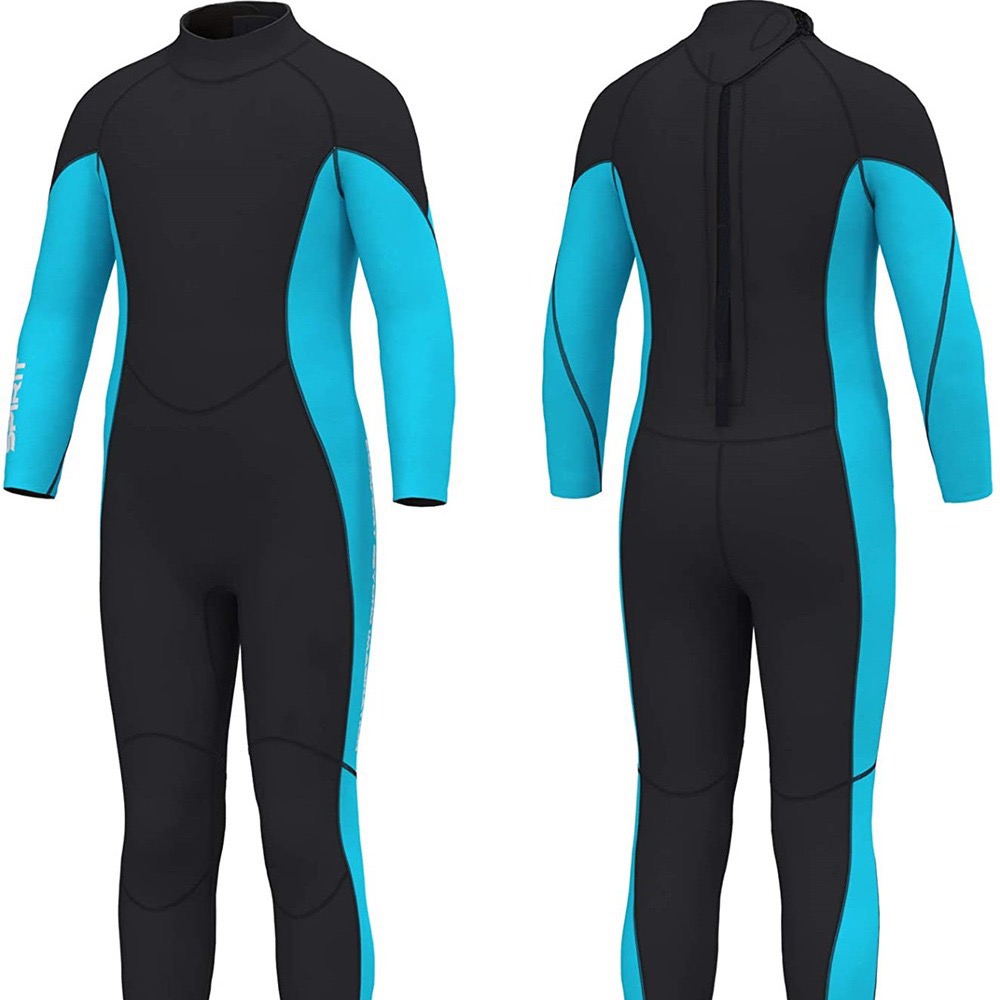
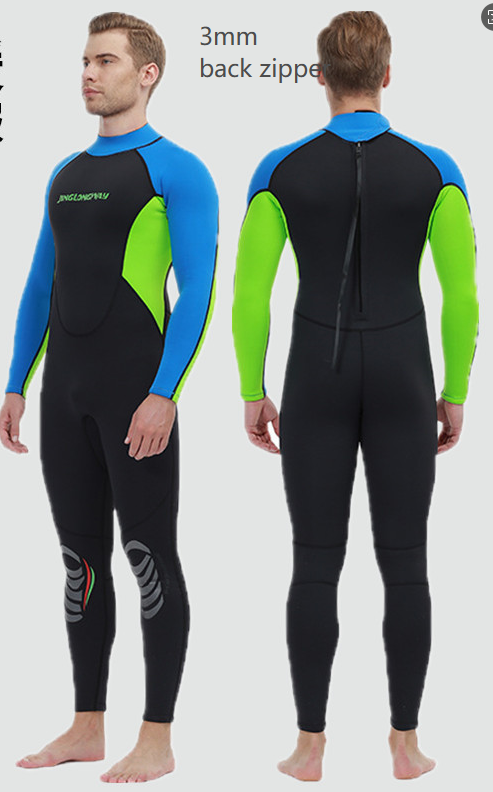
◦ Full-body suit: Warmest.
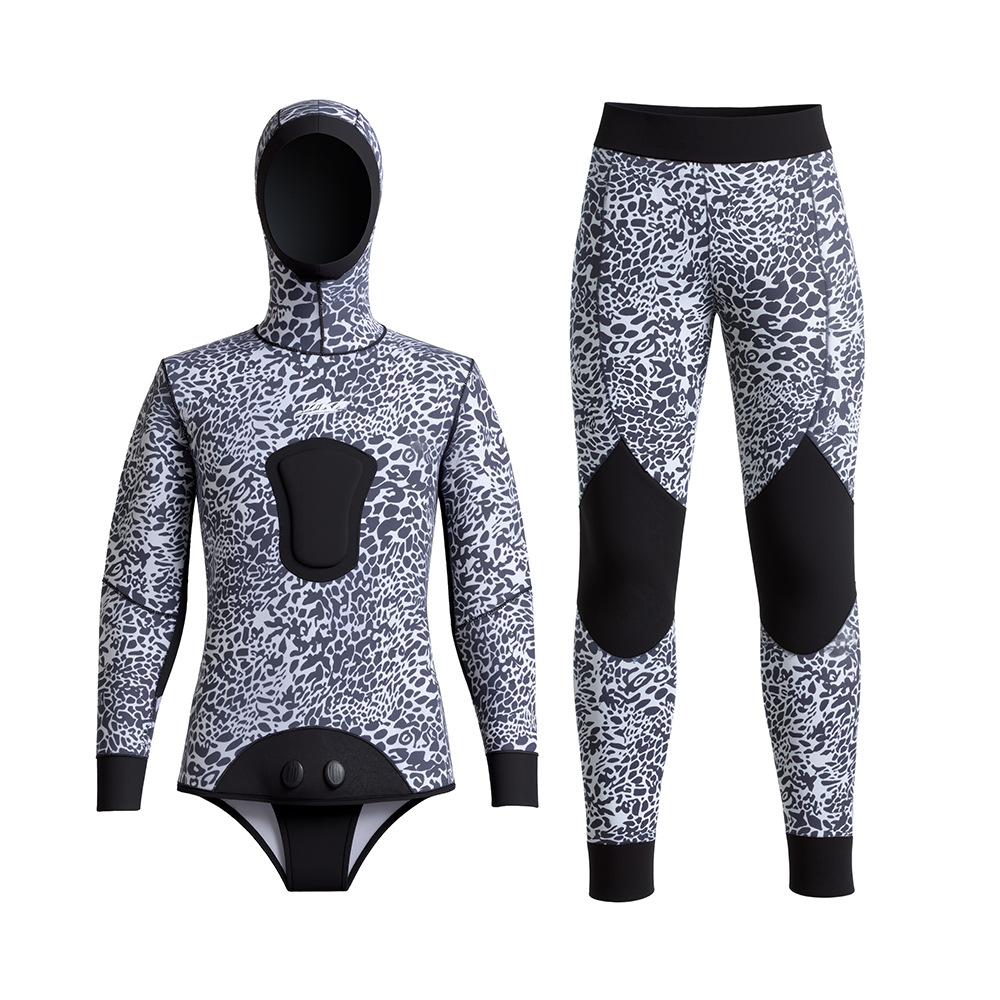
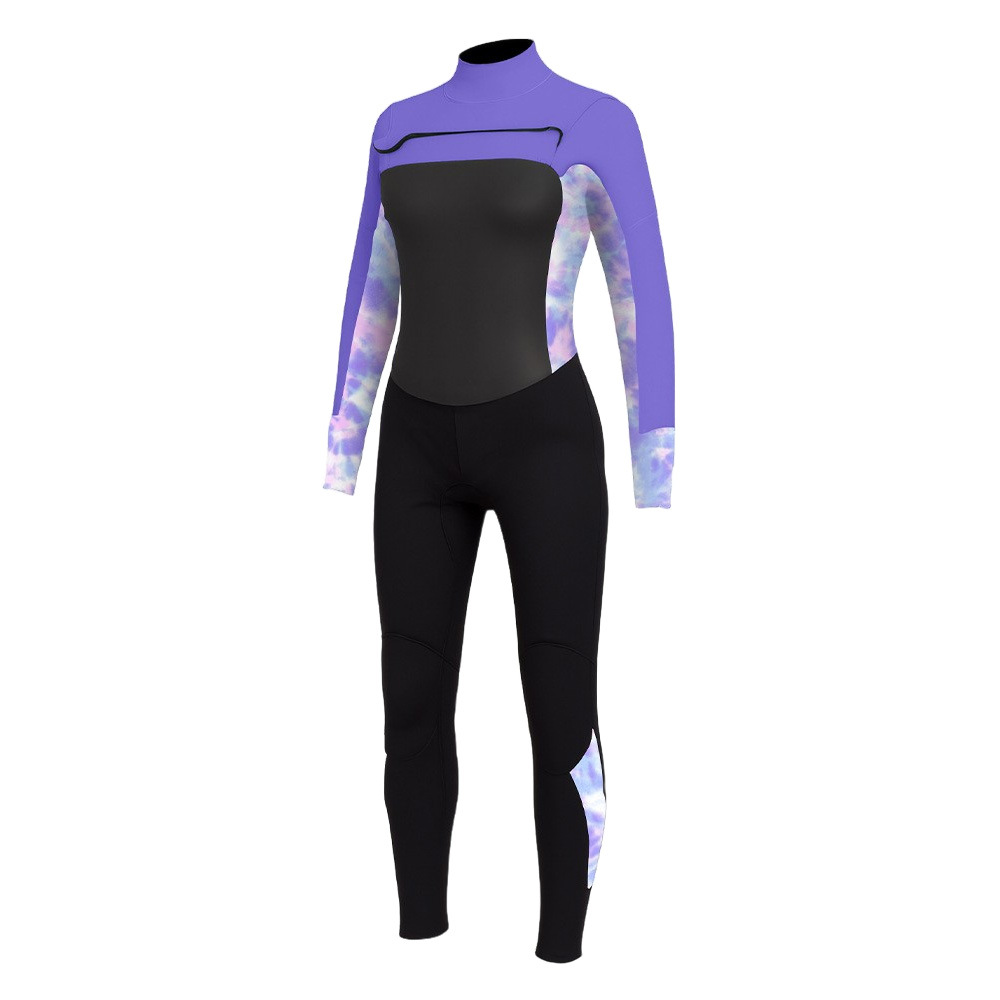
◦ Two-piece suit (jacket + trousers): Easy to put on and take off, allows for mixing and matching thicknesses, but water may get in around the waist.
◦ Semi-dry suit: Features a tighter seal at the collar, wrists, and ankles, greatly reducing water circulation. A 7mm semi-dry suit provides far more warmth than a regular 7mm wetsuit, making it a popular choice for cold-water diving.
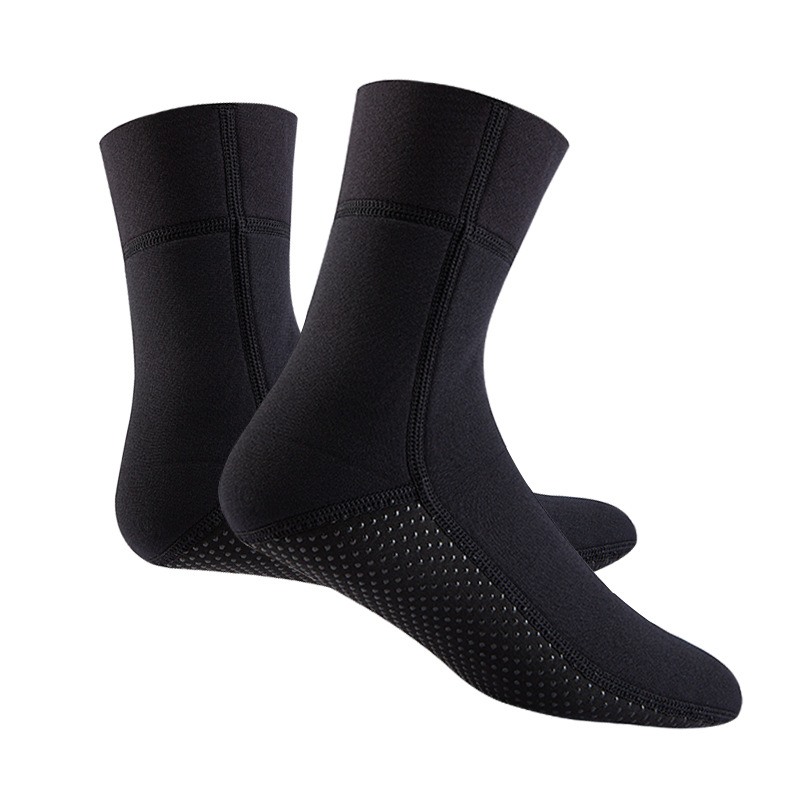
• Accessories: The head dissipates heat fastest; a hood/diving cap offers the best value for money when it comes to keeping warm. In cold water, a 3mm hood can even make a 5mm wetsuit appear as a 7mm one. Vests, gloves, and socks are also essential supplements.
Final Advice for Beginners
1. Consult a local dive shop: They are most familiar with local water conditions and seasonal changes, and their advice is the most reliable.
2. “Thicker is better”: For beginners, when the water temperature is near the lower limit, choosing a slightly thicker wetsuit is safer. Feeling hot underwater allows you to slow down your movements, but feeling cold can seriously affect safety and enjoyment, and even lead to hypothermia.
3. Consider renting: If you are unsure about your future diving environment, you can start by renting and trying different thicknesses to find the one that suits you best.
4. A drysuit is the ultimate solution: If you plan to frequently dive in cold water, investing in drysuit training and equipment is the most comfortable and safest option in the long run.
Summary: Check the water temperature first, then adjust the recommended thickness based on your personal comfort and activity level. Remember, warmth is the foundation of comfort and safety! Happy diving!

Leave A Comment