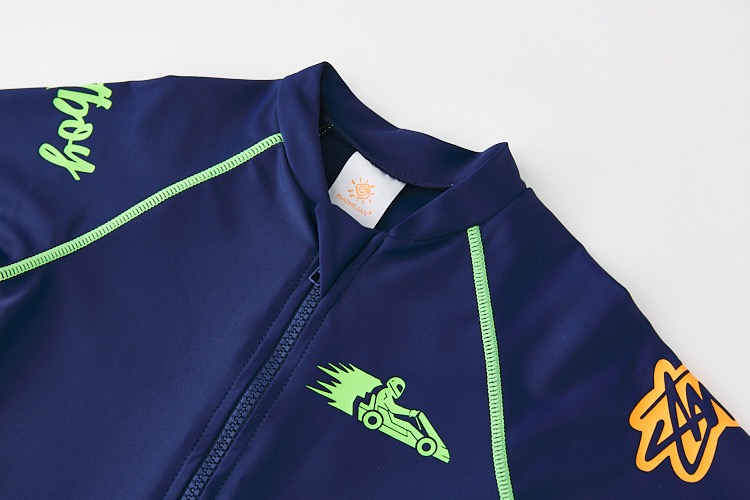
Nylon and polyester are both common clothing fabrics. They have their own
characteristics in terms of comfort. It is not possible to simply say which one is absolutely
more comfortable. This depends on many factors. The following is a specific analysis:
Breathability
Nylon: Nylon fibers have good breathability, allowing air to circulate between fabric fibers,
allowing the skin to “breathe”, and will feel more comfortable when worn, especially in
sports or hot weather, and can keep cool to a certain extent.
Polyester: In general, the breathability of polyester is relatively poor. Its molecular
structure is relatively tight, and air is not easy to penetrate. It may feel stuffy when worn,
especially in long-term activities or high-temperature environments. However, some
specially treated functional polyester fabrics, such as those using microporous technology
or ventilation design, will have improved breathability.
Hygroscopicity and perspiration wicking
Nylon: Nylon has good hygroscopicity and can absorb sweat from the skin surface to keep
the skin dry. And its sweat absorption rate is fast, which can make the wearer feel
comfortable in a short time. However, nylon has relatively weak perspiration performance,
and the absorbed sweat may not evaporate quickly into the air.
Polyester: Polyester has poor hygroscopicity and is generally considered a hydrophobic
fiber. It does not absorb moisture easily, which allows it to quickly transfer sweat from the
skin surface to the fabric surface when it comes into contact with sweat, and discharge
sweat to the outside world through diffusion, that is, it has better perspiration performance.
Therefore, in the case of exercise or heavy sweating, polyester fabrics can dry the skin
faster and reduce the discomfort caused by sweat accumulation.
Softness and comfort
Nylon: Nylon fabrics are soft to the touch, light in texture, fit the body when worn, and give
people a comfortable touch. It has a certain elasticity, can adapt to the movement of the
body, and will not cause too much restraint on the body.
Polyester: Ordinary polyester fabrics feel relatively hard and are not as soft as nylon. But
with the development of textile technology, there are now many polyester fabrics that have
been softened, and their softness has been greatly improved, and the comfort of wearing
has also been improved. Some high-quality polyester fabrics can even achieve a softness
similar to that of natural fibers.
Wrinkle resistance
Nylon: Nylon has good wrinkle resistance and is not easy to produce obvious wrinkles.
Even if some wrinkles appear during wearing, they can be restored to flatness relatively
easily, which allows nylon clothing to maintain a good appearance when wearing and
increases the comfort of wearing.
Polyester: Polyester has excellent wrinkle resistance and is one of the best wrinkle
resistance among common fabrics. It can maintain the shape of clothing during long-term
wear and various activities, and is not easy to deform, so that the wearer always feels
neat and comfortable.
In general, if you pay attention to moisture absorption and softness, nylon material may be
more comfortable to wear; if in sports scenes, perspiration and wrinkle resistance are
required, then polyester material may be more suitable. In addition, personal wearing
habits and preferences for different materials will also affect the evaluation of wearing
comfort.

Leave A Comment