
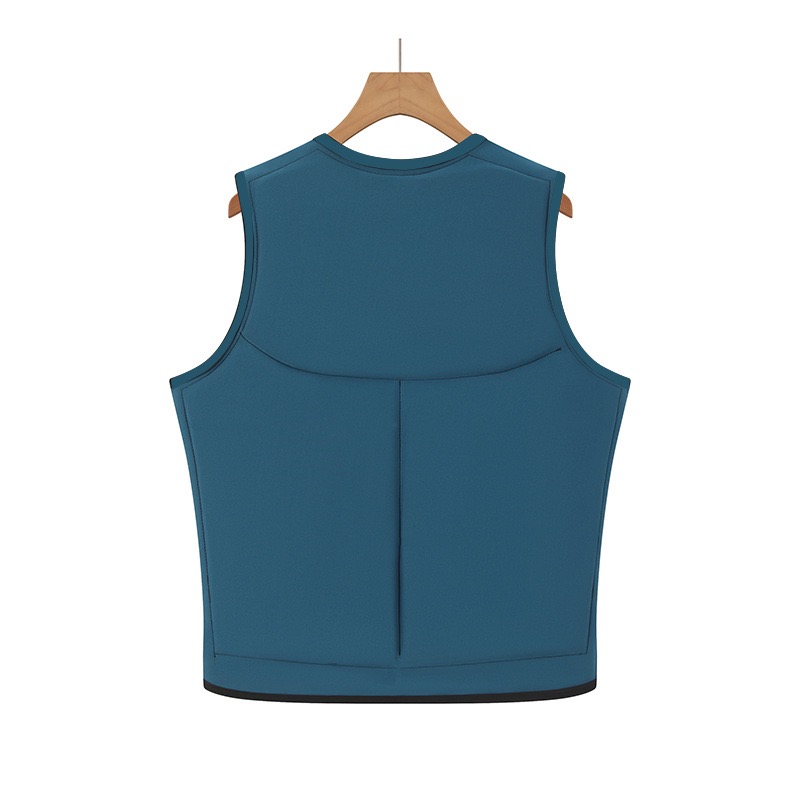
The main difference between Class II and Class III life jackets lies in their buoyancy and applicable scenarios.
Core Differences Comparison
Item Class II Life Jacket Class III Life Jacket
Buoyancy Standard ≥75N ; ≥113N
Applicable Scenarios: Coastal and Inland Waterway Work; Use Ocean-going Coastal and Inland Waterway Rescue Use
Buoyancy Material Polyethylene Foam ; Polyethylene Foam
Buoyancy Loss: <5% after 24-hour immersion ; <5% after 24-hour immersion
Detailed Description
Class II life jackets (marine work life jackets) require a buoyancy of 75N or higher and are mainly suitable for use by various personnel in coastal and inland waterway work. These life jackets are relatively lightweight and suitable for daily water operations.
Class III life jackets (marine life jackets) require a buoyancy of 113N or higher and are suitable for use by various personnel in ocean-going coastal and inland waterway rescue operations. These life jackets have greater buoyancy, providing stronger safety protection and ensuring that the head of the person falling into the water remains above the surface.
Both types of life jackets use polyethylene foam as the buoyancy material, and the buoyancy loss should be less than 5% after immersion in water for 24 hours. It is important to note that the Type II work life jacket cannot replace the Type III life jacket on board; they have different uses and should not be used interchangeably.
Leave A Comment