
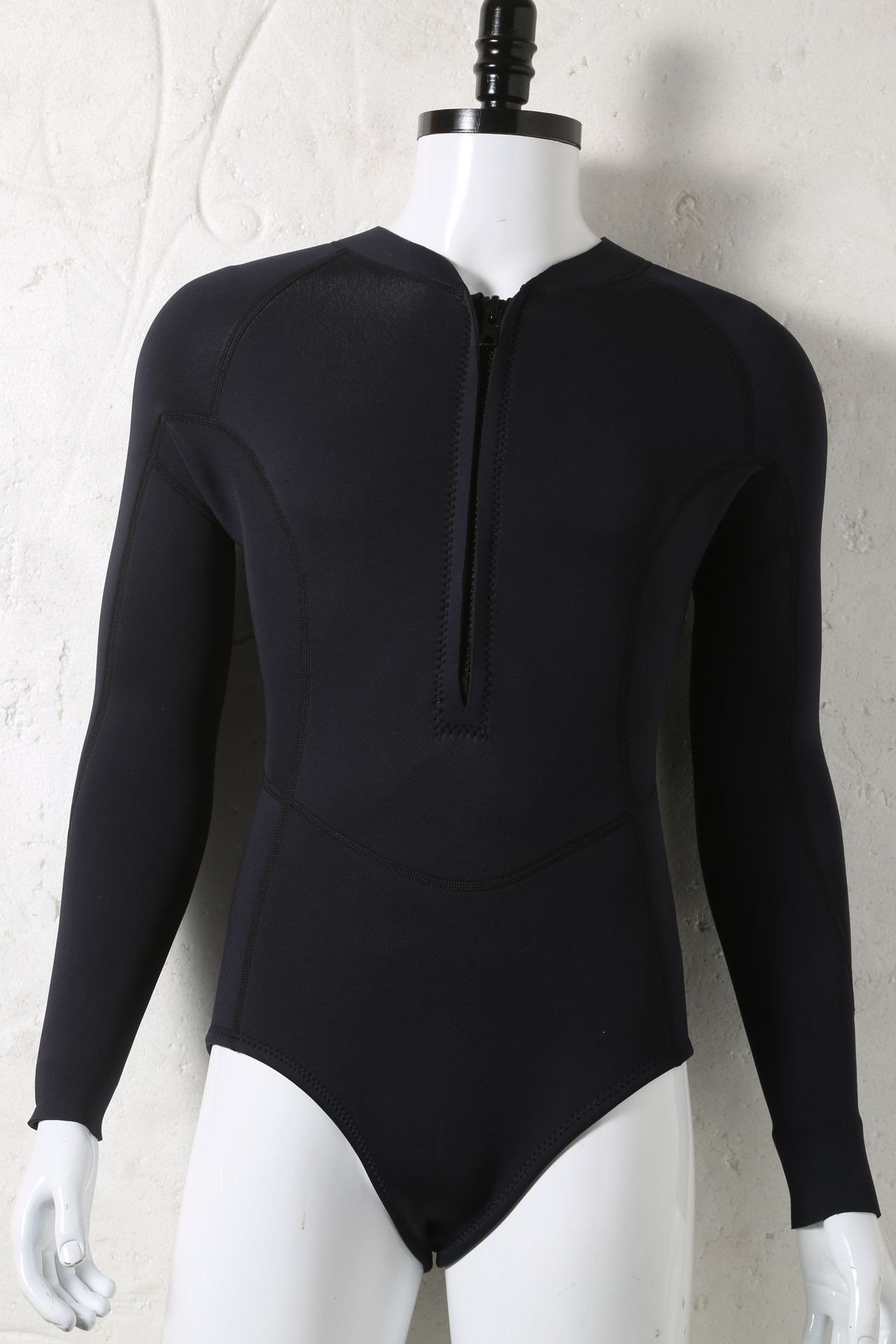
Repairing a wetsuit (made of neoprene) requires choosing the right repair adhesive and method to restore its waterproofness and elasticity. Below are detailed repair steps and adhesive recommendations:
——
I. Preparation Before Repair
1. Clean the Damaged Area
◦ Rinse the damaged area with fresh water, ensuring it is free of salt and sand.
◦ Wipe the repair area with alcohol or a special rubber cleaner to remove grease and ensure a firm bond.
2. Assess the Type of Damage
◦ Small scratches/cracks: Can be filled directly with repair adhesive.
◦ Larger holes/tears: Require a combination of patch and adhesive.
◦ Open seams: Need to be sewn up first (using waxed thread or nylon thread), then sealed with adhesive.
——
II. Repair Methods
Option A: Small Cracks/Scratches (No Patch)
1. Separate the two sides of the damaged area and place a smooth plastic sheet inside (to prevent adhesion).
2. Apply a thin layer of specialized neoprene adhesive (such as Black Panther Glue) to both sides of the crack.
3. Wait for the adhesive to partially dry (it should feel sticky but not tacky, about 5-10 minutes).
4. Press the two sides together firmly for 1-2 minutes, ensuring no air bubbles remain.
5. Allow to cure completely for 24 hours.
Option B: Larger Hole (Requires Patching)
1. Prepare a specialized neoprene patch (can be cut from an old wetsuit or purchased from a repair kit).
2. Round the edges of the patch to prevent it from lifting.
3. Apply adhesive to both the hole and the patch’s adhesive surface, and apply them together after they are partially dry.
4. Use a roller or hard object to press out air bubbles, and allow to cure.
5. Double-layer repair (one patch on the inside and one on the outside) yields better results.
——
III. Recommended Repair Adhesives
When choosing adhesives, ensure they are specifically designed for neoprene rubber. Common brands are as follows:
Brand/Product Type Features Applicable Scenarios
Aquaseal (Black Panther Glue) Polyurethane Adhesive High strength, good elasticity, soft after curing, water pressure resistant Cracks, seams, patching
McNett UV Fuchsia Sealant UV Curing Adhesive Fast curing (5 minutes in sunlight), purple paste Emergency repairs, small hole sealing
Oceanic Neoprene Rubber Adhesive Neoprene Rubber Special formula, strong adhesion Patching, edge bonding
Gear Aid Aquaseal FD Fast curing Type Cures faster than standard Aquaseal (approximately 4 hours) Quick repairs for urgent needs
Avoid using: Ordinary all-purpose glue, 502 glue (will harden and crack, damaging fabric).
——
IV. Post-Repair Treatment
1. Curing Time: Ensure complete curing according to the adhesive instructions (usually 24 hours). Do not use prematurely.
2. Smooth Edges: Lightly sand the repaired edges with sandpaper to reduce friction.
3. Sealing Test: Before use, locally rinse with water to check for leaks.
——
V. Professional Repair Advice
• Large Area Damage: It is recommended to take it to a professional diving shop for repair. They have heat-sealing equipment for more durable results.
• Damaged Inner Lining: If the wool/titanium-coated lining is torn, ensure the adhesive is compatible with the lining during repair.
——
VI. Daily Protection Tips
• Wash promptly after diving and avoid prolonged exposure to sunlight to reduce aging and damage.
• Avoid pulling or stretching the garment, especially with fingernails or sharp objects.
• Apply abrasion-resistant patches to easily worn areas (knees, elbows) for reinforcement.
——
Simplified Procedure:
Clean the tear → Select adhesive → Apply adhesive until semi-dry → Apply/patch → Press and cure → Test.
With proper repair, a wetsuit can still maintain good performance. If the damage is severe or affects critical areas (such as the neck or wrist seals), it is recommended to consult a professional or consider replacement to ensure diving safety.

Leave A Comment