
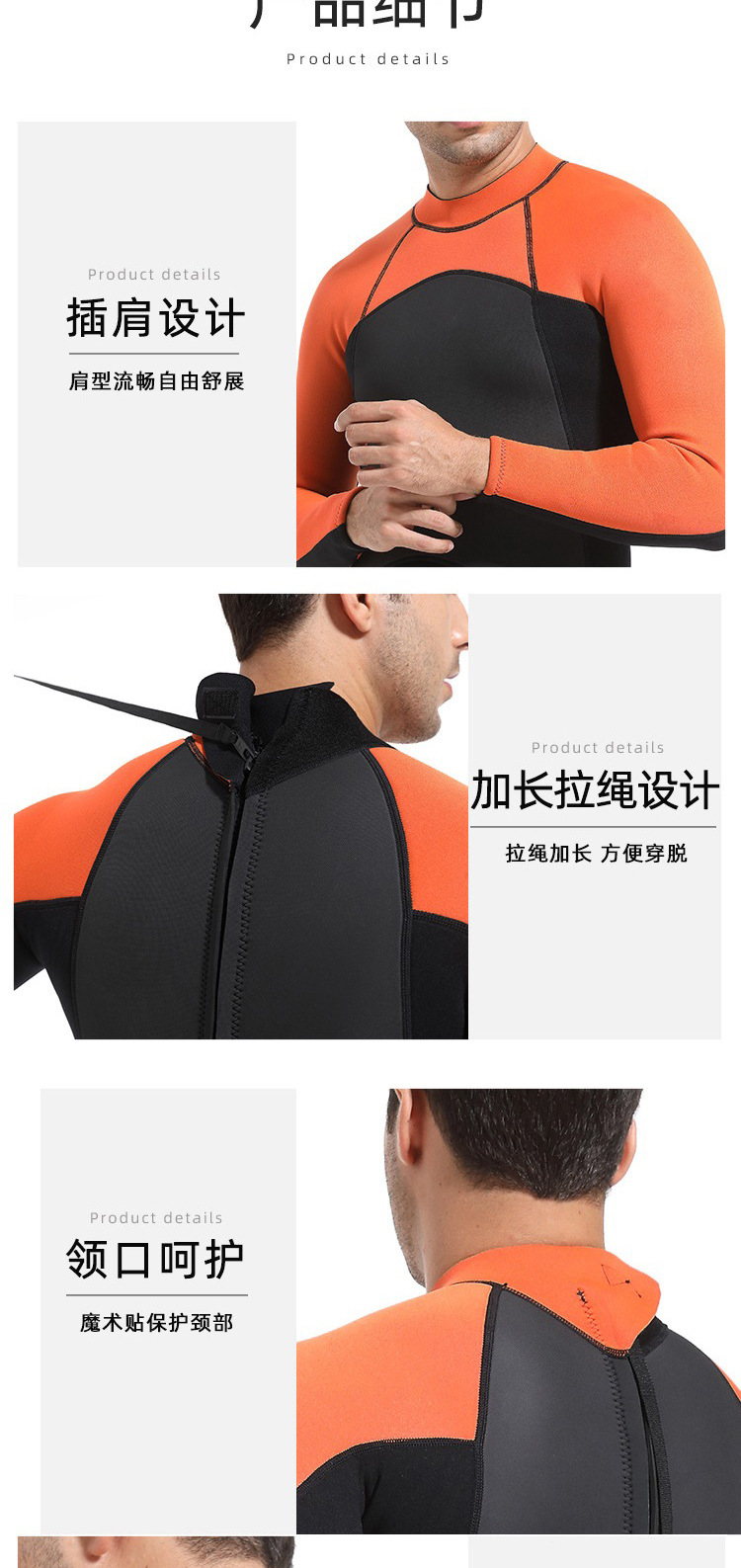
What are the chemical composition ratios of SBR/SCR/CR/Yamamoto fabrics?
This is also the strict chemical definition of “SBR,” “SCR,” and “CR” in the field of diving suit materials:
1. SBR Fabric:
◦ Definition: 15% CR (chloroprene rubber) + 85% SBR (styrene-butadiene rubber).
◦ Performance Logic: SBR is low-cost and soft, but has poor elasticity, weather resistance, and aging resistance. A high proportion of SBR results in weak rebound, easy permanent deformation, and rapid loss of warmth retention. Its “closed-cell” structure is the weakest of the four.
2. SCR Fabric:
◦ Definition: 30% CR + 70% SBR.
◦ Performance Logic: The increased CR proportion and the crucial “compression” process compensate for some of the defects of SBR, resulting in a high-density, high-rigidity, and extremely abrasion-resistant structure. Its “elasticity” feels like dense rigidity, rather than soft extensibility.
3. CR Fabric:
◦ Definition: 100% CR.
◦ Performance Logic: Pure neoprene offers the best balance of performance—good natural elasticity, excellent compression resistance, stable insulation, and durability. It is the benchmark for performance.
4. Yamamoto Fabric:
◦ Definition: 100% high-purity/patented CR formula.
◦ Performance Logic: Building upon the top-tier 100% CR, a proprietary foaming technology creates a closed-cell structure with smaller, more uniform bubbles and a stronger membrane, achieving ultimate softness, high elasticity, and lightweight.
To visually illustrate the complete spectrum of these four materials from cost to performance, and how to choose based on your needs, please refer to the following decision chart:
Flowchart TD
A [“Core Fabric Selection for Wetsuits”] –> B {“Define Needs and Budget”}
B –> C [“Core Needs: Minimal Cost Reduction<br>Budget: Lowest”] C –> G [“Selection: SBR<br>Composition: 15% CR + 85% SBR<br>Essence: Blended Rubber<br>Characteristics: Less Elastic than SCR/CR”] G –> K [“Suitable for: Short-term Use,<br>Scenarios with Low Performance Requirements”]
B –> D [“Core Needs: Extreme Durability and Robustness<br>Budget: Medium to High”] D –> H [“Selection: SCR<br>Composition: 30% CR + 70% SBR<br>Essence: Reinforced Blended Rubber<br>Characteristics: Higher Elasticity than SBR”] H –> L [“Suitable for: B –> E [“Core Requirements: Comprehensive, Balanced, Reliable; Budget: Medium”] E –> I [“Option: Standard CR; Composition: 100% CR; Material: Pure Neoprene; Characteristics: Industry-leading comprehensive performance”] I –> M [“Suitable for: Most recreational divers (Most reliable all-around choice)”]
B –> F [“Core Requirements: Ultimate Comfort and Performance; Budget: Highest”] F –> J [“Option: Yamamoto; Composition: 100% Top-Grade CR; Material: Top-Grade Pure Neoprene; Characteristics: Lightest, Softest, and Most Flexible, Peak Performance”]
J –> N [“Suitable for: Enthusiasts seeking the best experience (Freediving, Technical Diving, Photography)”]
Ultimate Purchase Recommendation:
• Choose performance based on composition: Within your budget, opt for fabrics with a higher CR (chloroprene) content. The path from SBR -> SCR -> CR -> Yamamoto is a clear one that simultaneously improves cost and core performance.
• In short: Your data is the gold standard—CR content determines the “ceiling” and “floor” of fabric performance. For serious divers, choosing between CR and Yamamoto is a choice between “good” and “better”; considering SBR or SCR means accepting their definite performance shortcomings (durability or comfort) to meet specific needs (lowest cost or highest abrasion resistance).
Leave A Comment