
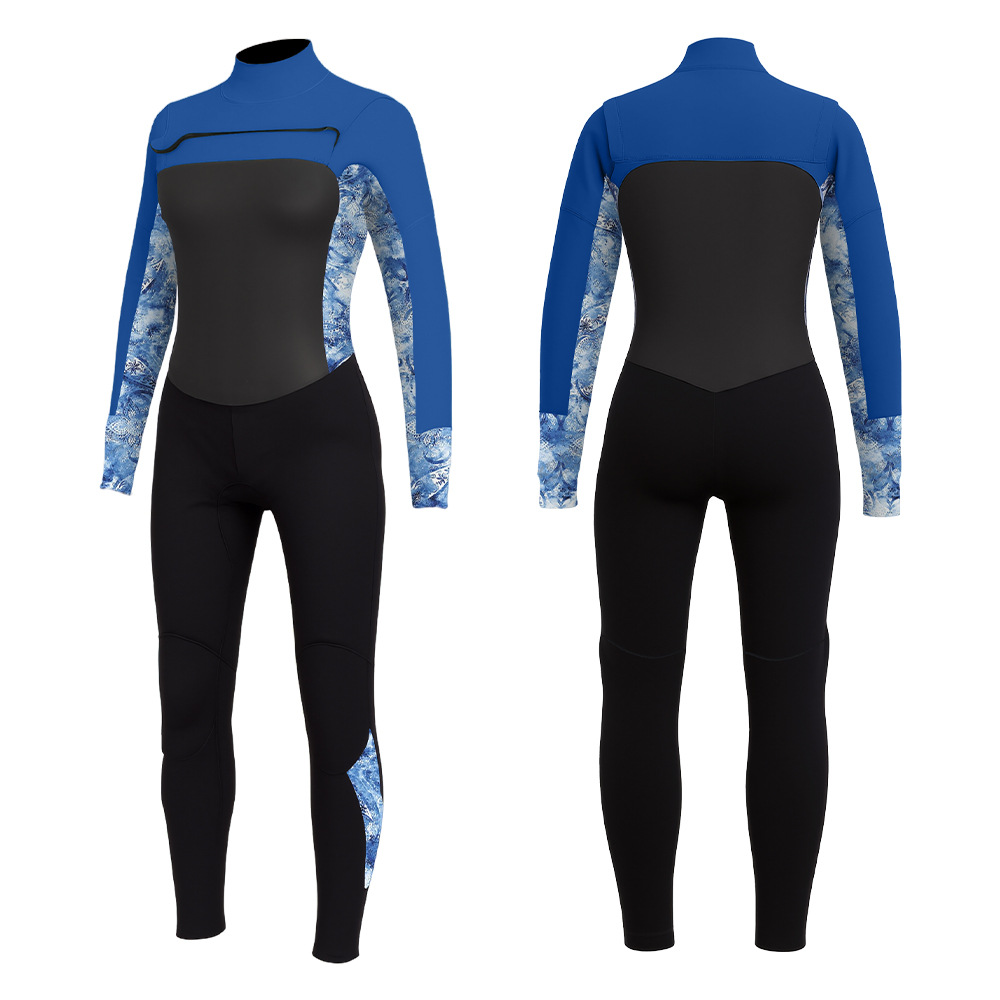
For first-time snorkeling/diving, my advice is very clear: prioritize renting over buying.
Below, I will analyze the pros and cons in detail and provide specific advice:
Why I don’t recommend buying one for your first time:
1. High cost and unknown usage:
◦ A decent quality wetsuit is expensive (thousands of yuan). If it’s your first time trying it, you can’t be sure if you’ll enjoy the sport, and the investment may be wasted.
◦ Snorkeling/diving trips usually involve significant expenses such as airfare, accommodation, and guided tours. Money saved on equipment can be used for other things.
2. Lack of understanding of your needs:
◦ A good fit is crucial: Buying a wetsuit is like buying shoes; it must fit perfectly. It’s easy to choose the wrong size or cut when buying for the first time.
◦ Lack of understanding of the local environment: Different waters (water temperature, sunlight, coral conditions) have different requirements for the thickness, material, and coverage area of the wetsuit. 3. Inconvenient to Carry:
◦ Wetsuits (especially wetsuits) are bulky and heavy, taking up a lot of luggage space and baggage allowance. This can be a significant burden for a short trip for first-timers.
4. Advantages of Renting from a Dive Shop:
◦ Professional Matching: Local dive shops are most familiar with the area (water temperature, currents, visibility) and will directly recommend and provide equipment suitable for the current season.
◦ Included Services: Rental fees usually include basic setup, cleaning, and maintenance. If there are any problems with the rented equipment, it can be replaced at any time.
◦ Zero-Burden Experience: No need to wash, dry, or pack; simply return the equipment after the experience, allowing for a relaxed trip.
When Should You Consider Renting?
For most first-timers, whether snorkeling or introductory diving (DSD), renting is the optimal solution. Your core goal is to safely complete your first experience with the lowest cost and simplest process, and confirm your love for the sport.
When Should You Consider Buying?
Purchasing a wetsuit only makes sense if you meet at least 2-3 of the following conditions:
1. Intended frequent participation: Planning multiple (e.g., more than 5-10) diving or snorkeling trips within the next year.
2. High hygiene standards: Being very concerned about the hygiene of clothing worn close to the skin (although reputable dive shops conduct rigorous disinfection, some people may still have psychological reservations).
3. Unique body type: Having a very standard or very unique body type (extremely tall, short, heavy, or thin), making it difficult to find a perfectly fitting standard rental size. A good fit is crucial for warmth.
4. Seeking the best experience: Desiring superior warmth, comfort, and flexibility compared to rental equipment (high-end wetsuits offer a significantly better experience).
5. Long-term learning plans: Having decided to enroll in a diving certification program (e.g., Open Water), owning your own wetsuit is part of the learning process and ensures comfort and hygiene during training.
Specific Action Tips for First-Time Snorkelers/Divers
1. Contact in Advance: When booking your trip, confirm with the dive shop or travel agency whether wetsuit rental is offered, the rental price, and the type included (full-length/short-sleeved? thickness?).
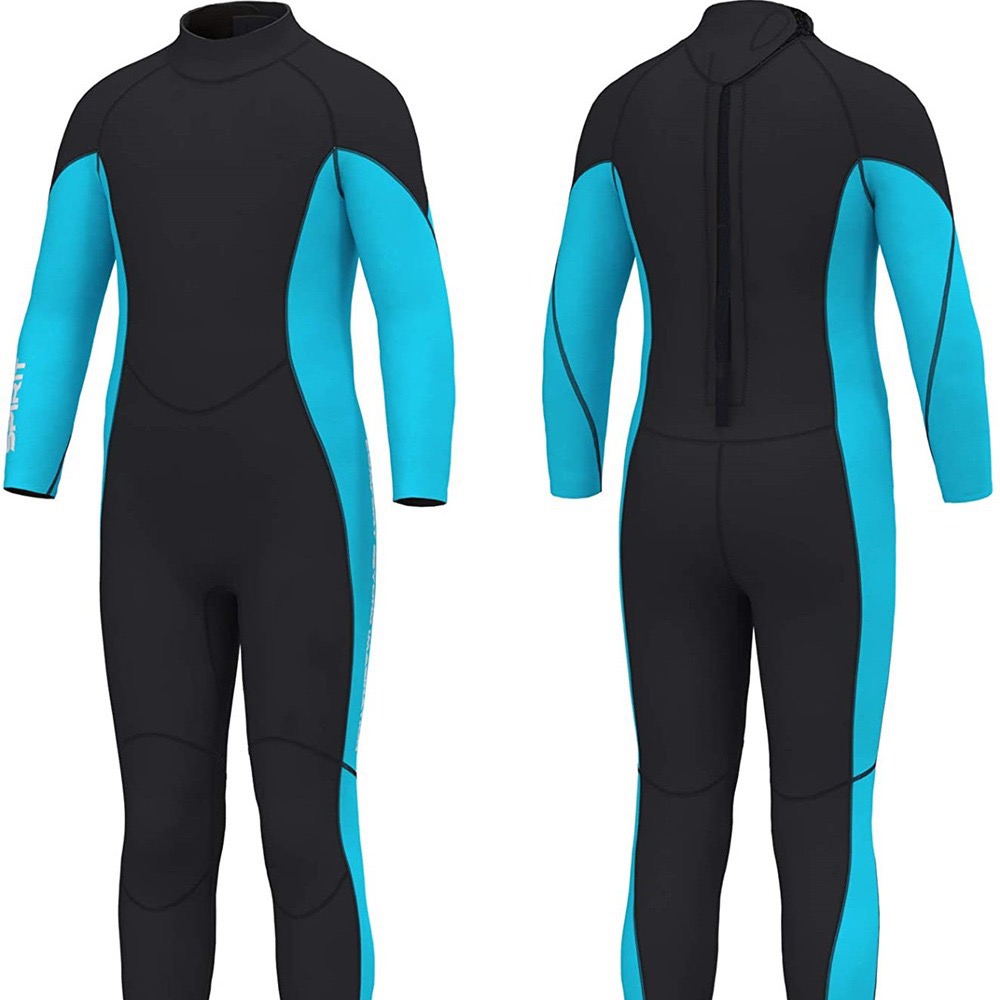
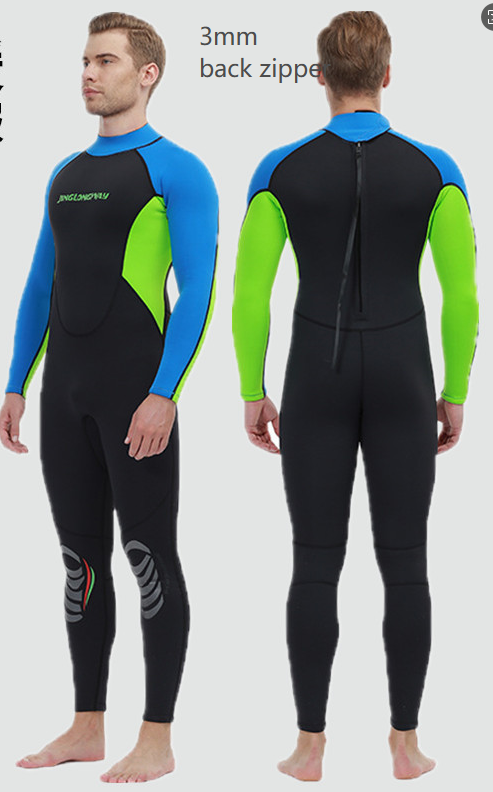
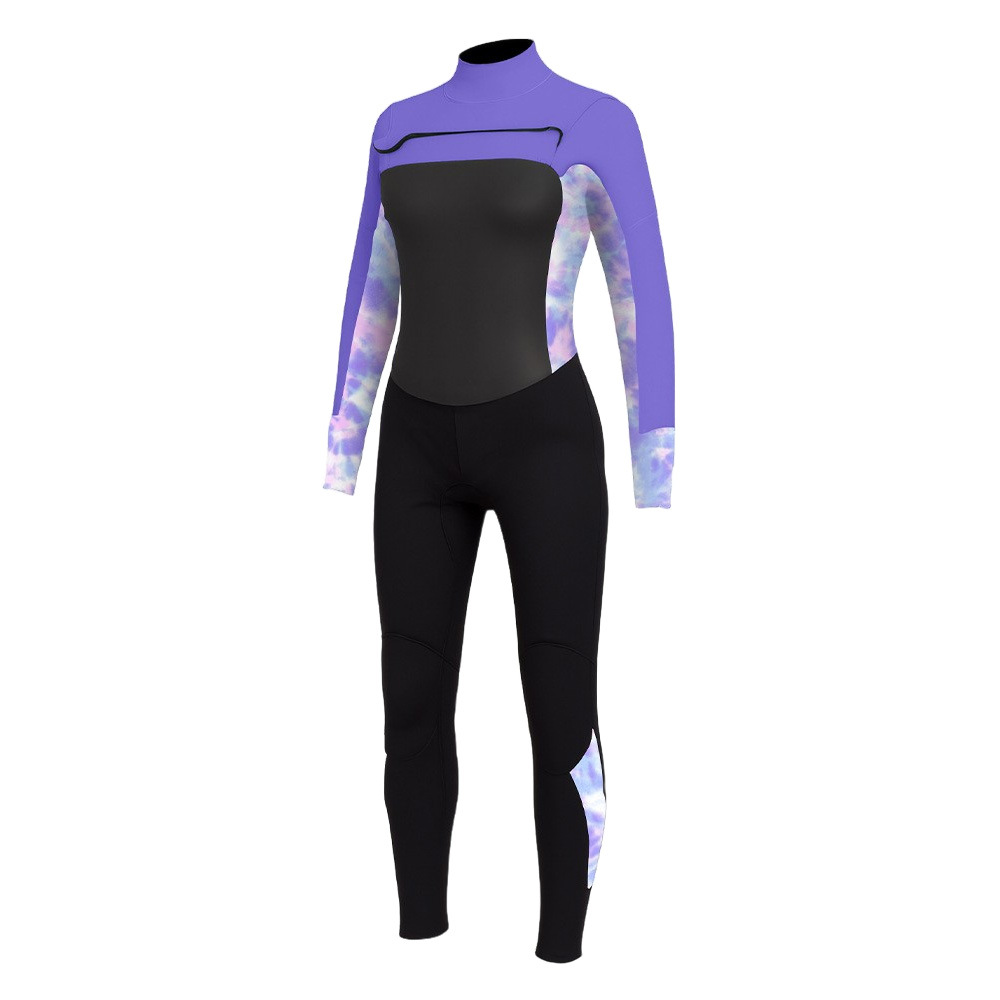
2. Prioritize Full-Length Wetsuits: Even in tropical waters, it’s recommended to rent a full-length wetsuit (even if it’s only 1-2mm thin). Its purpose is not only warmth, but more importantly:
◦ Sun Protection: UV radiation is extremely high underwater; physical sun protection is the most effective way to prevent severe sunburn.
◦ Protection from Scratch and Stings: Avoid minor scratches or stings from coral, rocks, or unknown marine life.
3. Consider Bringing Your Own Gear: If you are particularly concerned about hygiene, prioritize investing in some small, easily portable personal equipment. These are key to enhancing your first experience:
◦ Mask/Snorkel: Especially the mask; a self-purchased one will fit your face better, is less likely to leak water, and ensures hygiene. This is the most worthwhile small item to buy for your first time.
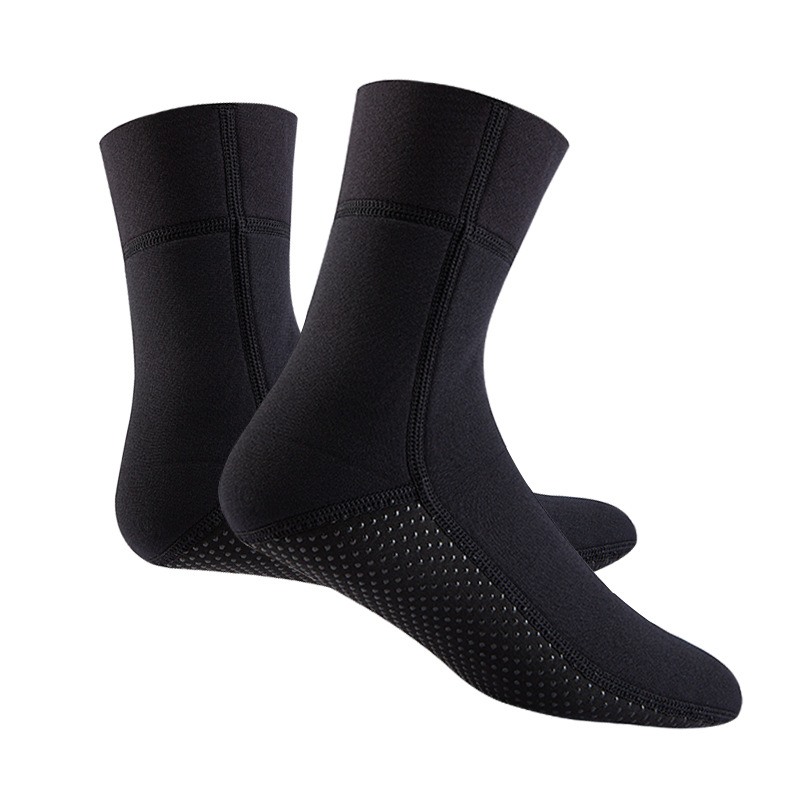
◦ Diving socks/shoes: Prevent fins from chafing and protect the soles of your feet when walking on land.
4. On-site inspection: When renting, check the wetsuit for large areas of damage, tears, or loss of elasticity. Minor signs of use are normal, but extensive damage will affect insulation. After putting it on, check if it feels too tight (affecting breathing and blood circulation) or too loose (allowing water to get in).
Summary
For your first time: Rent with confidence!
Leave your purchase decision until you’re truly “addicted.” Then, based on your real experience, you’ll have a clearer understanding of what equipment you need (thickness, brand, cut), allowing you to make an informed investment.
The core of your first time is to safely and enjoyably explore the underwater world; don’t let complicated equipment purchasing issues become a burden. Enjoy the process!

Leave A Comment