
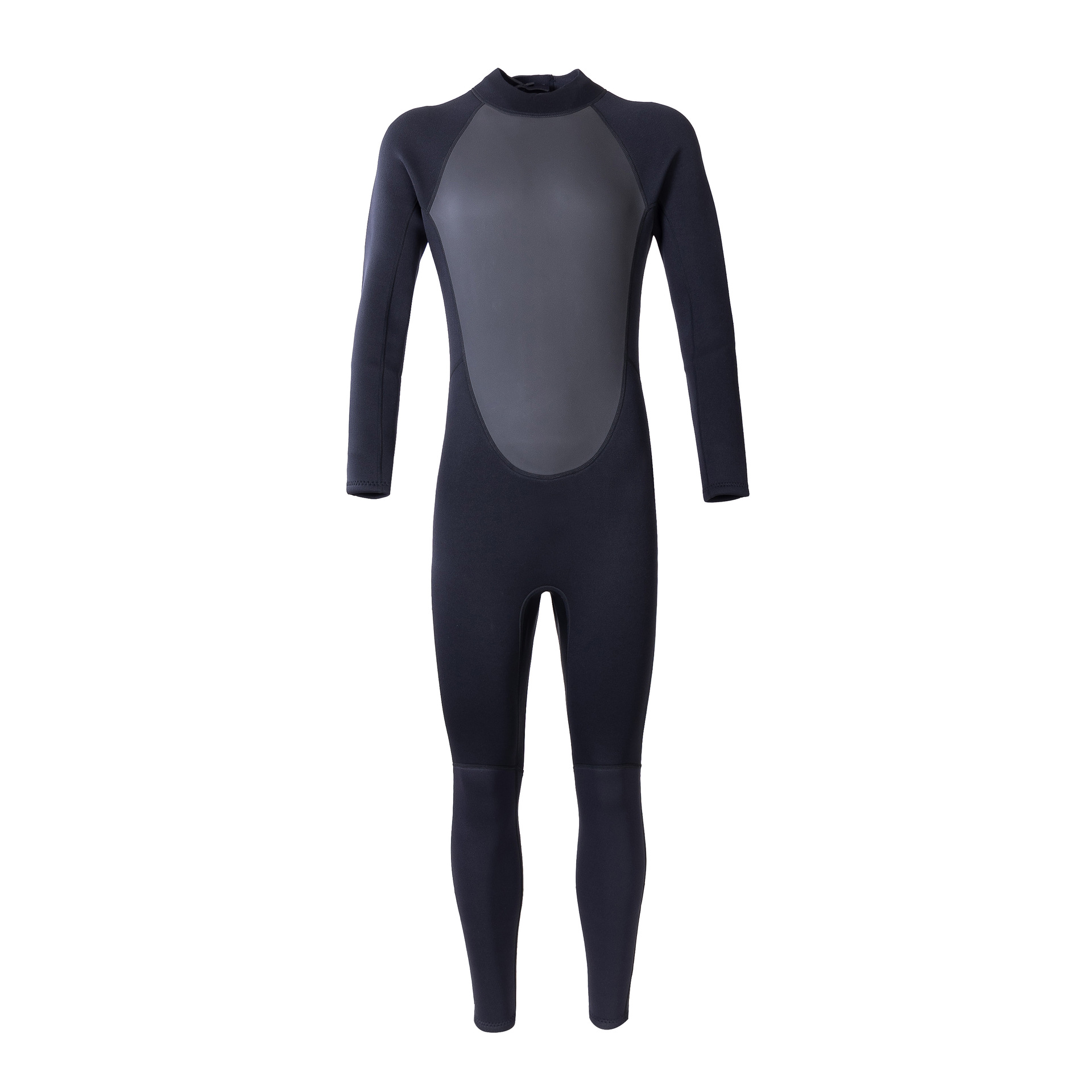
The primary reason for wearing a wetsuit when diving is for “thermal insulation,” followed by “protection.” Both are crucial for the diver’s safety, comfort, and diving performance.
Below is a detailed breakdown of the scientific principles and practical reasons behind this:
1. Primary Reason: Combating Hypothermia – Water Conducts Heat 25 Times Faster Than Air
This is the most fundamental physical reason. Water (especially seawater) conducts heat extremely quickly, 25 times faster than air. This means the human body loses heat 25 times faster underwater than in air.
• Decreased Core Body Temperature: Even in seemingly warm tropical waters (28°C), prolonged immersion can lead to a gradual decrease in core body temperature, causing hypothermia. Symptoms are progressive:
◦ Early Stages: Involuntary shivering, numbness in hands and feet, impaired judgment.
◦ Mid-Stages: Severe shivering, poor motor coordination, slowed reaction time, confusion.
◦ Severe Stages: May lead to cramps, coma, or even loss of consciousness underwater, which is extremely dangerous.
• The Insulation Principle of Wetsuits: Wetsuits themselves don’t “heat up”; their function is to trap a layer of stagnant water.
1. Wetsuits are made of closed-cell neoprene foam, filled with countless tiny nitrogen bubbles, which are poor conductors of heat.
2. When a diver wears a wetsuit and enters the water, a small amount of water enters between the wetsuit and the skin through the collar, cuffs, etc.
3. The body quickly heats this thin layer of water (to near body temperature).
4. The material and fitted cut of the wetsuit greatly slow down the exchange of this warm water with the colder outside water.
5. This relatively still layer of warm water, heated by the body, is the true “insulation layer.” A wetsuit acts like a high-tech “thermos,” slowing down the loss of body heat.
2. Key Reason: Comprehensive Physical Protection
A wetsuit is a tough “protective suit” offering multiple layers of protection:
• Protection against scratches and abrasions: The underwater environment is complex, potentially encountering rough reefs, corals, shipwreck metal, shellfish, etc. A wetsuit effectively prevents cuts or abrasions.
• Protection against stings and bites: It protects against most minor jellyfish stings and contact with some small marine creatures.
• UV protection: Even underwater, UV rays have strong penetrating power. A wetsuit provides comprehensive physical sun protection, preventing severe sunburn.
3. Important Reason: Providing Buoyancy
The neoprene material of a wetsuit inherently provides buoyancy. This adds positive buoyancy to the diver, helping to conserve energy when adjusting the buoyancy compensator (BCD), making diving easier. The amount of buoyancy depends on the thickness and coverage area of the wetsuit.
4. Enhancing Comfort and Performance
• Comfort: On a boat or ashore, a wetsuit provides protection and warmth in windy conditions. A well-fitting wetsuit will make you feel more comfortable throughout your dive.
• Performance Enhancement: Keeping your body warm means your muscles can work better, resulting in greater flexibility, better concentration, extended dive time, and more accurate and safer judgments and actions.
——
Wetsuit Selection Guide for Different Water Temperatures
• Tropical Waters (Above 25°C): 1-3mm thick “short-sleeve” wetsuits or full-body thin wetsuits are suitable. Their primary function is protection and prevention of hypothermia after prolonged dives.
• Temperate Waters (18-25°C): Typically require a 5-7mm thick full-body wetsuit, possibly paired with a hood, gloves, and boots.
• Cold Waters (10-18°C): Require a 7mm or thicker wetsuit, or consider using a drysuit.
In summary
Wearing a wetsuit while diving is not just about “looking good” or “looking professional,” but a crucial piece of safety equipment. Its core value lies in:
1. Survival: Preventing hypothermia protects your core physiological functions and judgment.
2. Skin Protection: Protecting you from the harmful effects of the underwater physical environment.
3. Comfort: Enhancing comfort and buoyancy allows you to enjoy diving more attentively, for longer periods, and more safely.
Therefore, whether snorkeling, freediving, or scuba diving, wearing a suitable wetsuit is a wise and necessary choice as long as the water temperature is not high or the immersion time is not long.

Leave A Comment