USCG certification for life jackets is the certification of life jacket products by the United
States Coast Guard. The relevant introduction is as follows:
Authentication mode:
Type Approval: Suitable for products that are frequently or massively produced for export.
Require products to comply with regulatory requirements, pass designated tests, and
incorporate quality management or tracking inspection plans to monitor production
consistency. The laboratory for tracking and inspecting the same type of product is
generally the same as the accredited testing laboratory, and the Coast Guard relies on
accredited independent laboratories to test whether the product meets the standards.
Case by Case Approval: Suitable for specialized products installed on specific vessels
and not intended for mass production. This certificate is valid for a single application, and
only Type Approval mode can be used for reapplication of the same product. USCG
certification will not be issued, and there is no need to track factory inspections.
Certification process:
The applicant submits an application to USCG and designates a laboratory.
USCG confirms that the laboratory has the capability to conduct testing and authorize it.
Conduct factory pre-test review in the laboratory, extract test samples, and prepare a
review report.
The laboratory determines the testing items, and USCG confirms that the testing items
meet all requirements.
Conduct tests in the laboratory and write test reports.
The laboratory conducts periodic audits of the factory (usually once a year).
The applicant submits the pre-test review report and test report for USCG review.
USCG issues certificates.
The laboratory conducts regular reviews of the factory’s production control system and
submits review reports to USCG.
Standard requirements: take the 46CFR 160.055 standard as an example, for the single
hole plastic foam life-saving appliances (adults and children), it is required that the plastic
foam materials should still maintain at least 90% of the original buoyancy after being
immersed in seawater for 24 hours, and the density should be uniform without
stratification; High temperature (70 ℃) and low temperature (-30 ℃) cyclic tests are
required; The buoyancy unit of the life jacket must be a single hole structure; The
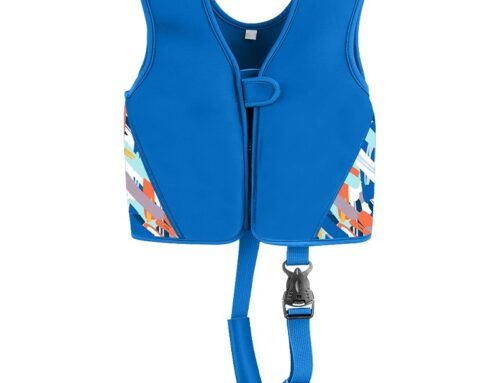
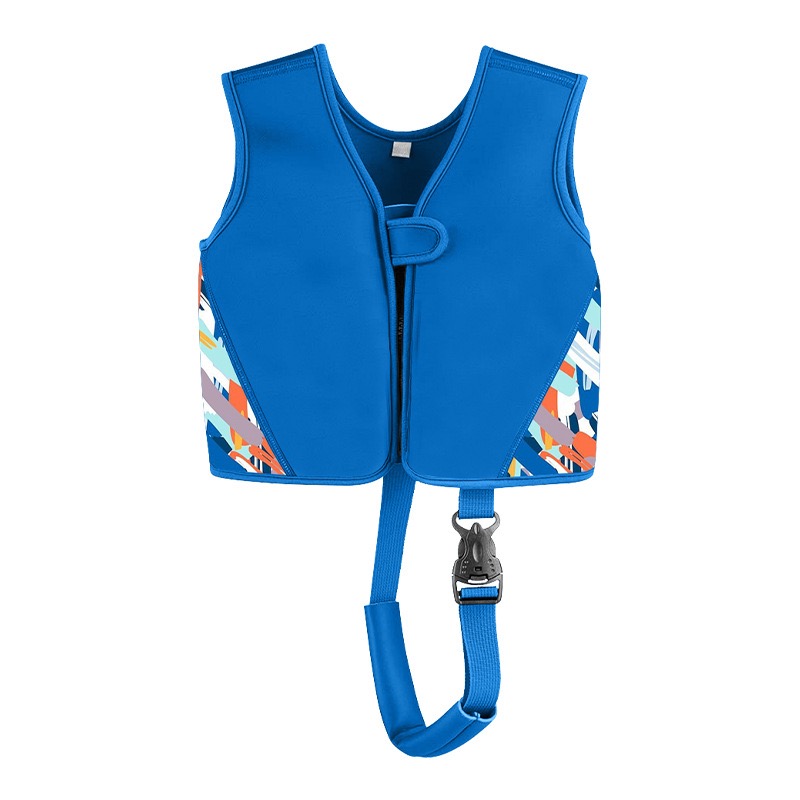
children’s version should be equipped with adjustable shoulder straps and crotch straps,
as well as reflective strips. The product also needs to be permanently labeled with “USCG
Approved” and certification number, indicating the applicable scenario, and accompanied
by English safety tips. The testing report must be issued by an organization with ISO
17025 qualification, covering more than 10 items such as buoyancy attenuation, tear
strength, and suture durability.
Only life jackets certified by USCG are allowed to be sold and used in the US market to
ensure reliable safety for users in various water activities.

Leave A Comment