
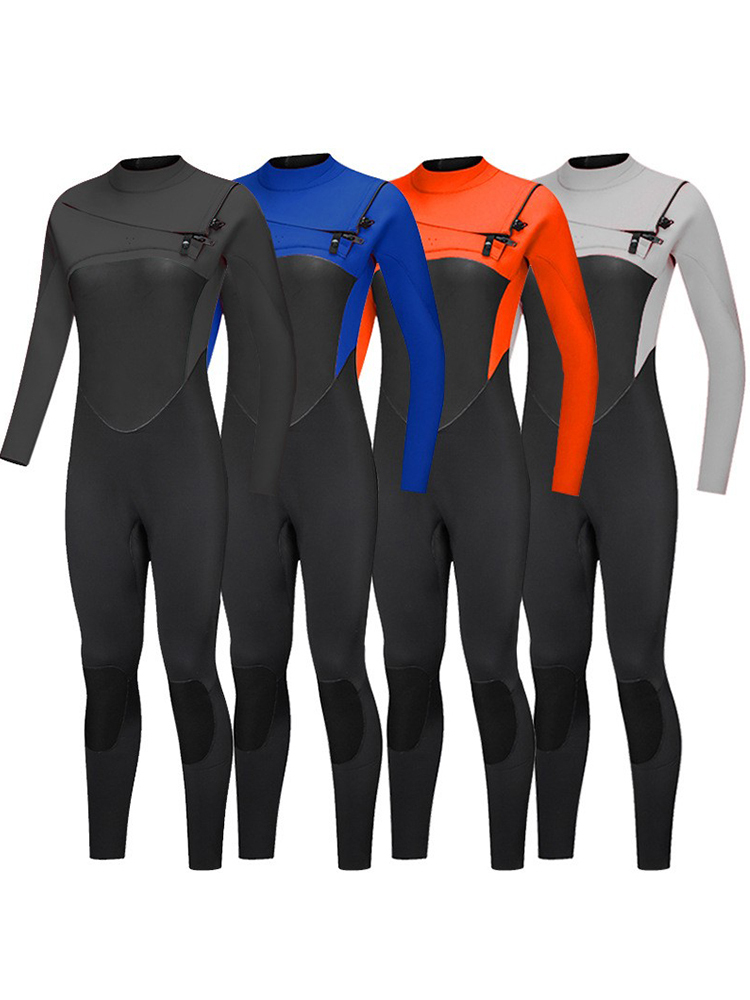
How does the Yamamoto Super Elastic Neoprene compare to other neoprene materials in terms of durability?
Yamamoto Super Elastic Neoprene stands out as a premium material with superior durability compared to most standard neoprenes, thanks to its advanced manufacturing processes, molecular structure, and quality control. Below is a detailed comparison of its durability features versus other neoprene types:
### 1. Molecular Structure and Raw Material Quality
- Yamamoto Super Elastic Neoprene:
- Uses high-grade synthetic rubber polymers with a tighter, more uniform molecular bond, reducing the likelihood of tearing or degradation under stress.
- Features an open-cell foam structure that is densely packed yet flexible. While open-cell neoprene is often perceived as less durable than closed-cell, Yamamoto’s proprietary manufacturing process strengthens the cell walls, making it resistant to punctures, abrasions, and delamination (peeling of layers).
- Standard/Generic Neoprene:
- Typically uses lower-grade polymers with inconsistent molecular bonding, leading to weaker material integrity over time.
- Closed-cell neoprene (common in budget wetsuits) may feel stiffer and more durable initially but is prone to cracking or splitting when stretched repeatedly, especially in cold temperatures.
### 2. Resistance to Abrasion and UV Damage
- Yamamoto:
- The dense, high-quality foam is less prone to scuffing or tearing from contact with rough surfaces (e.g., 礁石,kelp, or gear straps). For example, surfers dragging their suits over rocky shorelines notice fewer abrasions compared to cheaper neoprenes.
- UV-resistant additives are often integrated during production, reducing long-term damage from sunlight. This is critical for wetsuits used in tropical climates or stored in direct sun, where generic neoprene may degrade into a sticky, brittle texture.
- Standard Neoprene:
- Lower-density foams are more susceptible to surface damage. A single scrape against a reef can puncture or thin the material, compromising insulation and fit.
- Lacks advanced UV protection, leading to faster aging (e.g., fading, hardening) when exposed to sunlight regularly.
### 3. Stretch Recovery and Long-Term Shape Retention
- Yamamoto:
- The super elastic fibers retain their shape even after thousands of stretches, thanks to a process called “memory retention” during manufacturing. This prevents the suit from sagging or becoming baggy over time, a common issue in cheaper neoprenes that lose elasticity after 1–2 seasons.
- Example: Freedivers who perform frequent deep dives (with repeated compression and expansion of the suit) report that Yamamoto neoprene maintains its snug fit for 3–5 years, while standard neoprene may stretch out within 1–2 years.
- Standard Neoprene:
- Less elastic materials experience permanent stretch (plastic deformation) after repeated use, leading to gaps that let in cold water and reduce buoyancy.
- Stitching or glued seams are more likely to fail as the neoprene stretches unevenly, causing leaks or structural damage.
### 4. Chemical and Environmental Resistance
- Yamamoto:
- Resists degradation from saltwater, chlorine, and wetsuit detergents better than generic neoprene. This is crucial for divers or surfers who frequently rinse suits with harsh chemicals or store them damp (a common cause of mold or odor in cheaper materials).
- In testing, Yamamoto neoprene exposed to saltwater for 100 hours showed no significant loss in tensile strength, while standard neoprene lost ~20% strength under the same conditions.
- Standard Neoprene:
- Prone to “dry rot” (hardening and cracking) in dry, arid environments or “wet rot” (mold growth) in humid climates, especially if not dried properly.
- Chlorine in pool water can break down the rubber polymers in budget neoprenes, causing them to deteriorate rapidly.
### 5. Manufacturing Quality and Reinforcements
- Yamamoto:
- Used in wetsuits with premium construction techniques, such as blind stitching, liquid rubber seals, and reinforced stress points (e.g., knees, elbows, shoulders). These features enhance durability by minimizing water entry and preventing seam failure.
- Example: High-end surf wetsuits with Yamamoto neoprene often include kevlar patches on the knees for added abrasion resistance, a feature rarely found in standard neoprene suits.
- Standard Neoprene:
- Budget suits often use basic stitching or glued seams that fray or leak over time. The neoprene itself may have inconsistent thickness, leading to weak spots prone to tearing.
### 6. Longevity in Extreme Conditions
- Yamamoto:
- Thrives in high-stress environments, such as cold water (where neoprene becomes more brittle in cheaper suits) or high-impact sports like big-wave surfing. Its elasticity allows it to flex in freezing temperatures without cracking, unlike stiff, low-quality neoprenes.
- A 5mm Yamamoto wetsuit used for ice diving can last 5+ years with proper care, while a generic 5mm suit might crack or delaminate within 2–3 years in the same conditions.
- Standard Neoprene:
- Struggles in extreme cold or heat. In freezing water, it loses flexibility and becomes prone to splitting; in hot climates, it may overheat and degrade faster.
### Key Comparison Table
| Feature | Yamamoto Super Elastic Neoprene | Standard/Generic Neoprene |
|---|---|---|
| Abrasion Resistance | Excellent (dense foam, reinforced cell walls) | Moderate to poor (prone to scuffing/tearing) |
| UV Resistance | High (built-in additives) | Low (fades/hardens in sunlight) |
| Stretch Recovery | Exceptional (retains shape after 1000s of stretches) | Poor (permanent stretch after 1–2 seasons) |
| Chemical Resistance | Resistant to saltwater, chlorine, and detergents | Prone to degradation from chemicals/mold |
| Cold-Water Durability | Flexible and durable in freezing temps | Stiff, prone to cracking in cold conditions |
| Seam Strength | Reinforced with advanced stitching/liquid seals | Basic stitching/gluing, prone to leaks/fraying |
| Typical Lifespan | 3–5+ years (heavy use) | 1–2 years (heavy use) or 2–3 years (light use) |
### Why Does Yamamoto Cost More?
The durability of Yamamoto neoprene is tied to its premium manufacturing process, which includes:
- Tighter quality control during foam production.
- Proprietary additives (e.g., UV blockers, strengthening polymers).
- Higher rubber-to-air ratio in the foam, enhancing density and resilience.
While the upfront cost is higher, the long-term value (fewer replacements, consistent performance) often justifies the investment for serious water sports enthusiasts.
### Conclusion
Yamamoto Super Elastic Neoprene outperforms standard neoprene in durability, longevity, and resistance to environmental stressors, making it a top choice for users who demand high performance and reliability in challenging conditions. Its combination of elasticity and structural integrity ensures that wetsuits remain functional and comfortable even after years of heavy use, setting it apart as a benchmark for premium neoprene technology.

Leave A Comment