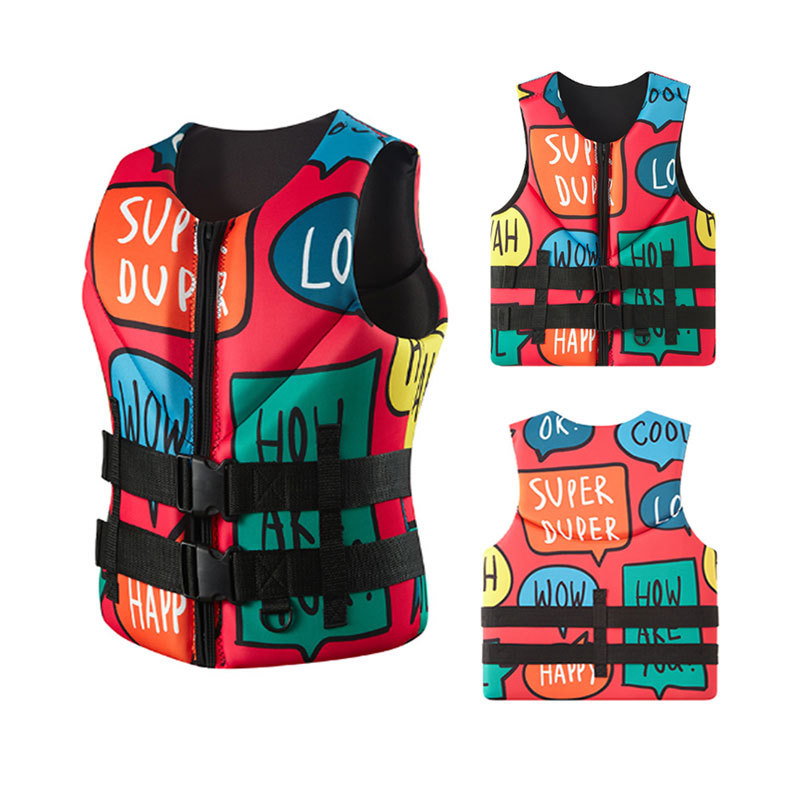
Neoprene is not a primary buoyancy material, but it offers distinct advantages in specific situations where mobility, comfort, thermal insulation, and impact protection are more critical than standalone buoyancy. Here are scenarios where neoprene-based or neoprene-hybrid life jackets/personal flotation devices (PFDs) are preferable to traditional foam or inflatable options:
1. High-Mobility Water Sports Requiring Agility
Neoprene’s stretch and flexibility make it ideal for activities where a rigid PFD would restrict movement:
Surfing, Bodyboarding, or Kiteboarding:
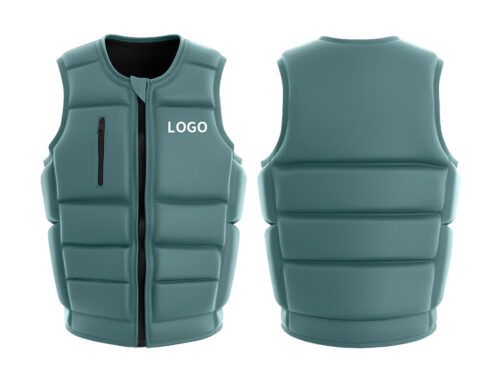
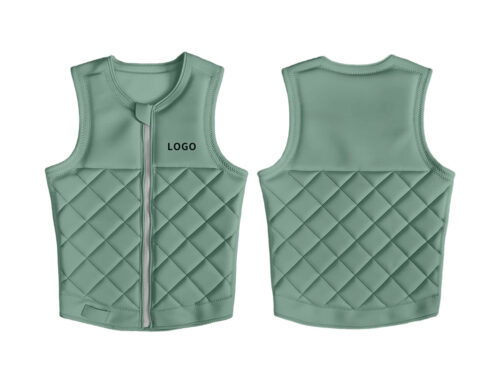
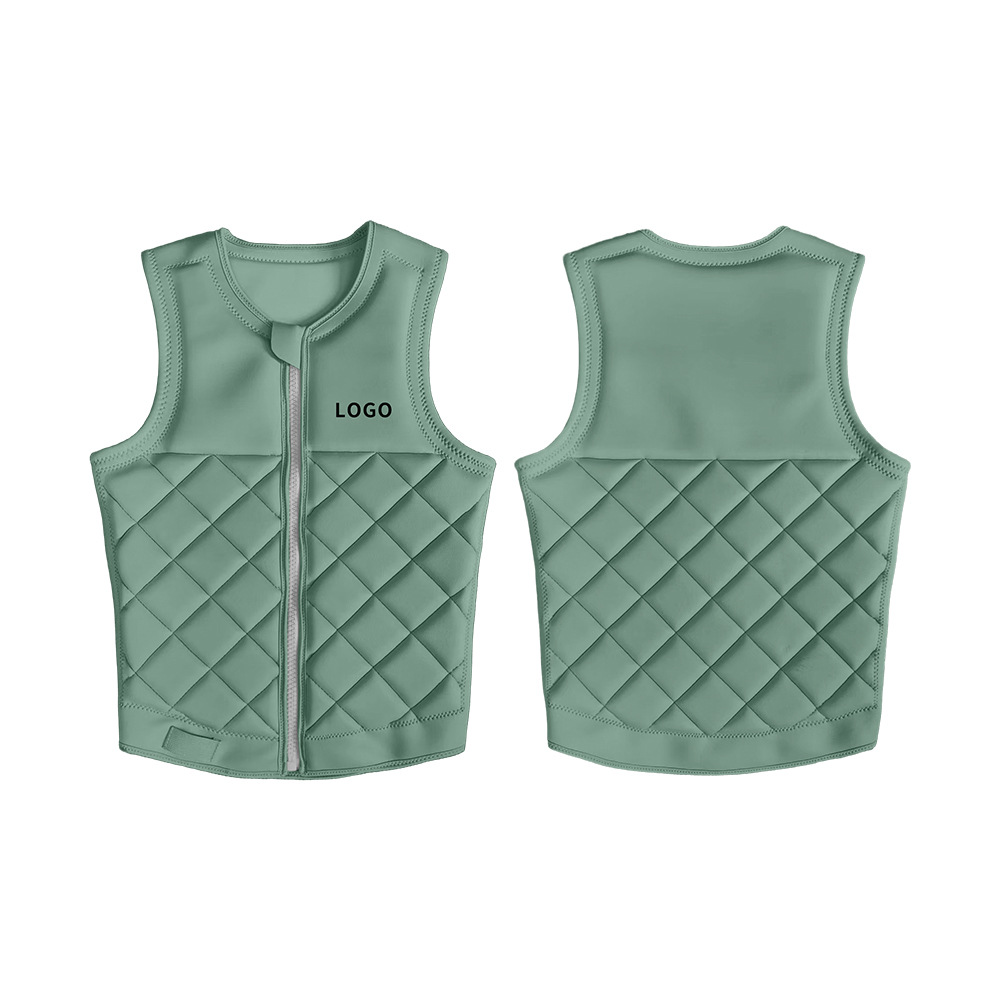
Neoprene-based “impact vests” or “hydro vests” (often with thin EPE foam inserts) allow fluid arm and torso movement for paddling, tricks, or aerial maneuvers.
Example: A surfer’s vest with a neoprene shell and lightweight foam padding provides collision protection (e.g., from the board or waves) without hindering paddle strokes.
Scuba Diving or Snorkeling:
Wetsuits made of neoprene provide thermal insulation in cold water, and divers often wear inflatable BCDs (buoyancy control devices) over them. The neoprene itself doesn’t provide buoyancy, but its snug fit enhances streamline movement underwater.
2. Cold-Water Environments Requiring Thermal Insulation
Neoprene’s insulating properties make it essential in chilly water, even when paired with other buoyancy materials:
Kayaking, Canoeing, or SUP in Cold Climates:
Hybrid PFDs with a neoprene exterior and foam/EPE interior combine buoyancy (from the foam) with warmth (from the neoprene). The neoprene traps a thin layer of water against the skin, which warms up to act as an insulator.
Example: A whitewater kayaker in Alaska might wear a neoprene-lined PFD to stay warm during long sessions in frigid rivers, while the foam provides required flotation.
Open-Water Swimming or Triathlons:
Neoprene wetsuits are standard for cold-water swims. While they provide minimal buoyancy (due to air bubbles in the foam), their primary role is to prevent hypothermia. Athletes often wear inflatable PFDs or swim buoys over wetsuits for additional flotation.
3. Impact Protection in High-Risk Activities
Neoprene’s shock-absorbing properties make it valuable in sports with a high risk of collisions:
Whitewater Rafting or Canyoneering:
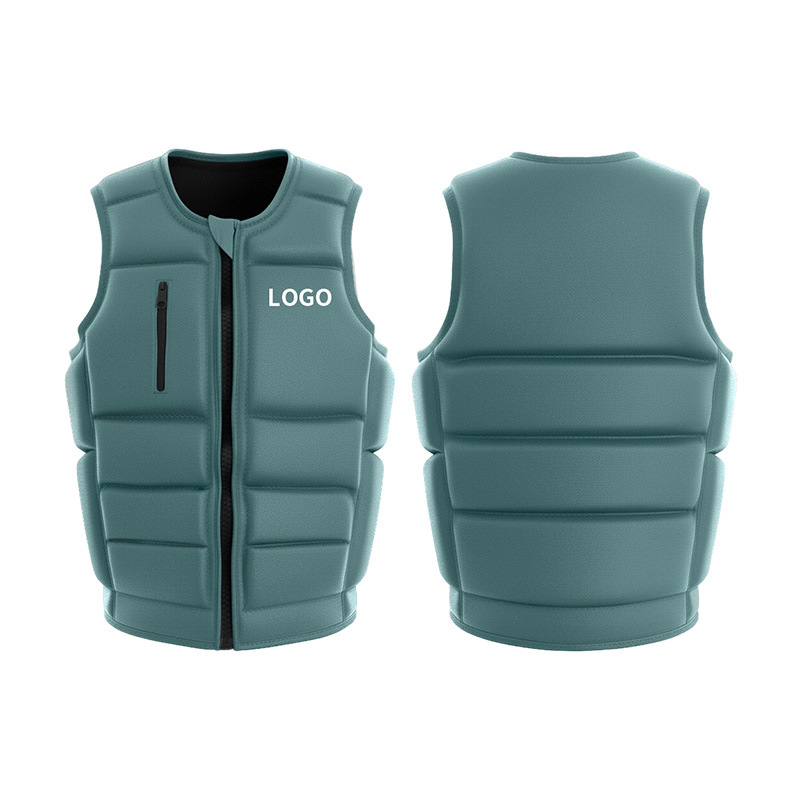
Neoprene “impact vests” with dense padding (sometimes combined with foam) protect the chest and back from rocks, rapids, or gear. The neoprene’s flexibility allows the vest to conform to the body, enhancing comfort during dynamic movements.
Jet Skiing or Water Skiing:
Neoprene-based PFDs with foam inserts offer both buoyancy and protection against impacts from the water, handlebars, or other equipment.
4. Activities Requiring a Snug, Aerodynamic Fit
Neoprene’s form-fitting nature reduces drag and improves comfort for athletes:
Wakeboarding or Windsurfing:
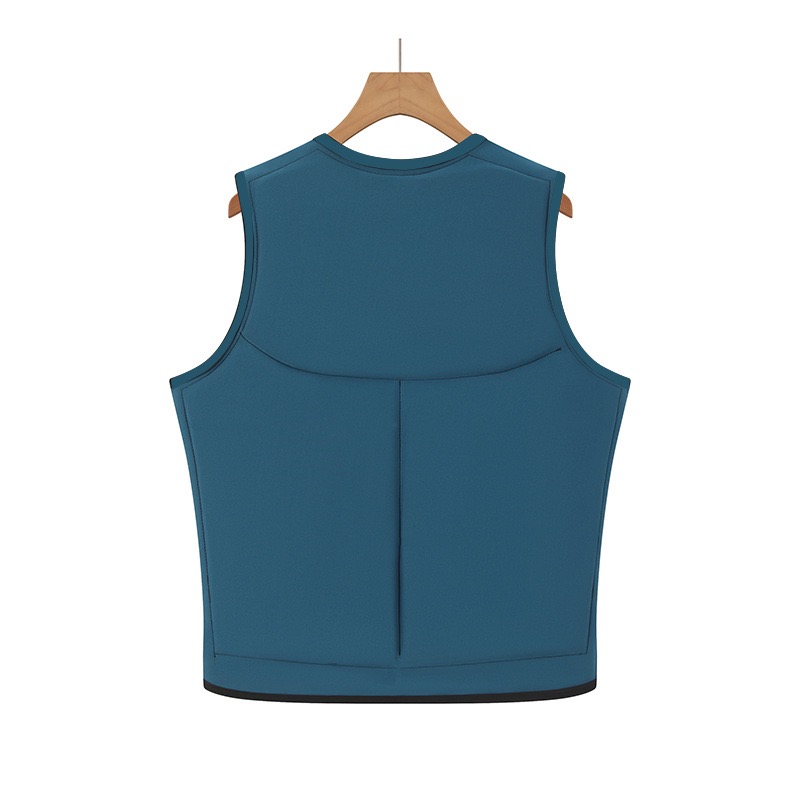
A neoprene vest with minimal foam (or inflatable bladders) hugs the body, allowing for tight turns and jumps without the bulk of traditional PVC foam PFDs.
Underwater Hockey or Rugby:
Neoprene suits or vests provide freedom of movement for submerged sports while offering light thermal protection. Buoyancy is often adjusted via weights or pool conditions, not the neoprene itself.
5. Recreational Use Where Style and Comfort Outweigh Heavy Buoyancy
For casual water activities in calm conditions, neoprene-hybrid PFDs prioritize comfort:
Paddleboarding or Float Tubing in Lakes:
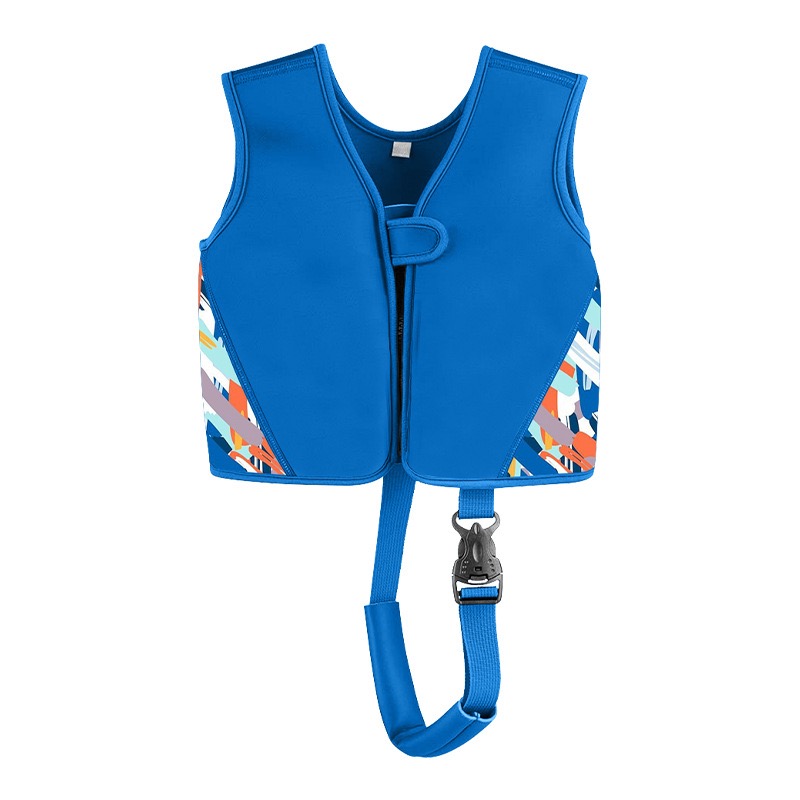
A neoprene vest with soft EPE foam inserts is more comfortable for extended wear than rigid PVC foam, especially for users who can swim and prefer a flexible fit.
Beach or Pool Activities for Experienced Swimmers:
Neoprene “swim shirts” or rash guards (non-PFDs) are used for sun protection and comfort, but they are not substitutes for life jackets; buoyancy must come from other devices (e.g., pool noodles, inflatable rafts).
Key Limitations of Neoprene as a Buoyancy Material
No Standalone Buoyancy: Neoprene sinks in water and cannot meet safety standards for flotation devices on its own. It must be paired with foam, inflatable bladders, or other buoyant materials.
Regulatory Compliance: Most regions require PFDs to have clearly labeled buoyancy ratings (e.g., USCG Type III for recreational use). Neoprene-only products are not certified as life jackets.
When to Avoid Neoprene
Non-Swimmers or High-Risk Environments: For users who cannot swim, or in open ocean/rough water, prioritize high-buoyancy materials (PVC foam, inflatable bladders) in certified PFDs.
Hot Climates: Neoprene’s insulation can cause overheating in warm water; opt for breathable mesh or foam-only PFDs instead.
Conclusion
Neoprene shines in specialized, active water sports where flexibility, warmth, and impact protection are paramount. It is a complementary material, not a standalone solution for buoyancy. Always ensure that neoprene-based gear is paired with certified flotation components and meets the safety requirements for your activity

Leave A Comment