

The main differences between free diving and scuba diving are related to the equipment used, the depth you can reach, and the level of training required. Here’s a breakdown:
1. Breathing Method
- Free Diving: Involves diving on a single breath of air. Divers don’t carry tanks, relying only on the air they inhale before diving. It’s about breath-holding while exploring the underwater world.
- Scuba Diving: Stands for Self-Contained Underwater Breathing Apparatus. Divers use a tank filled with compressed air, allowing them to stay underwater for much longer periods of time without needing to surface for air.
2. Equipment
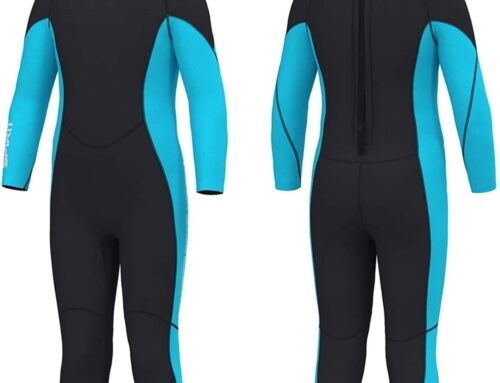
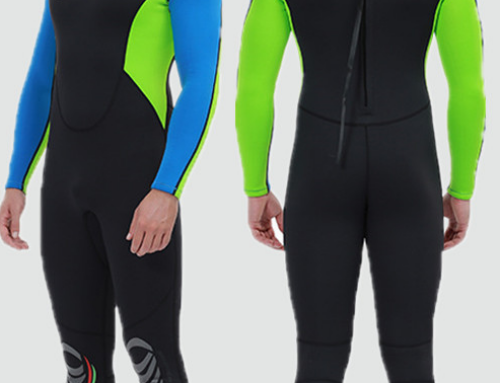
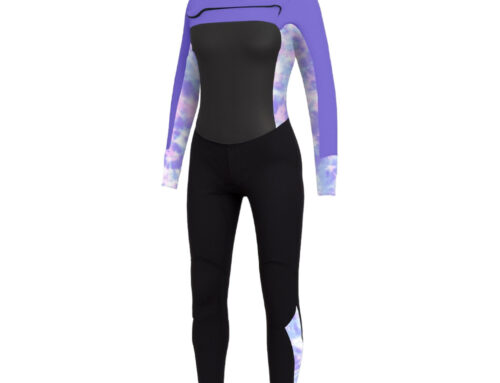
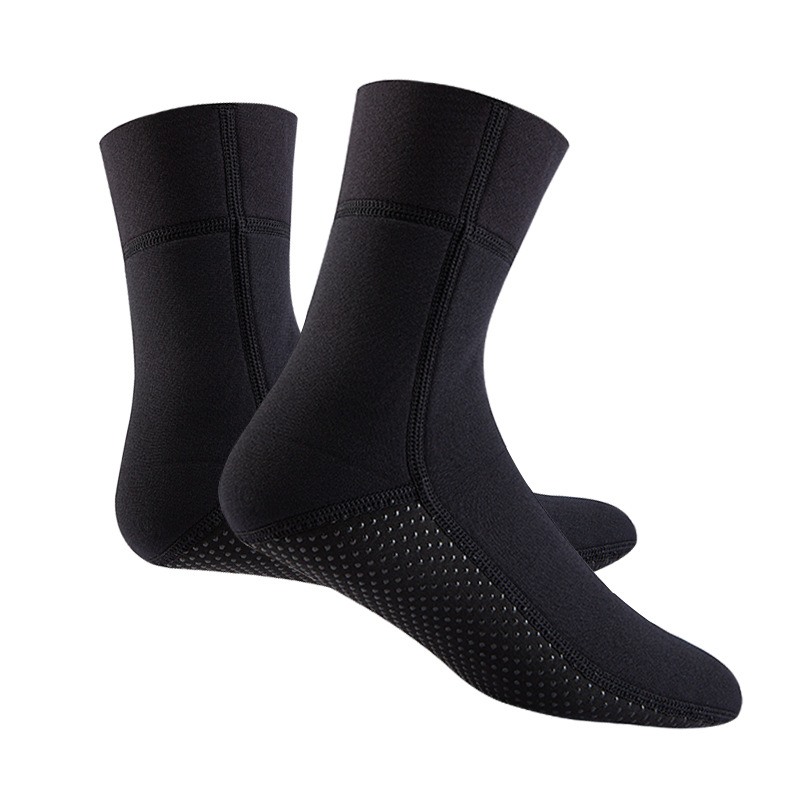
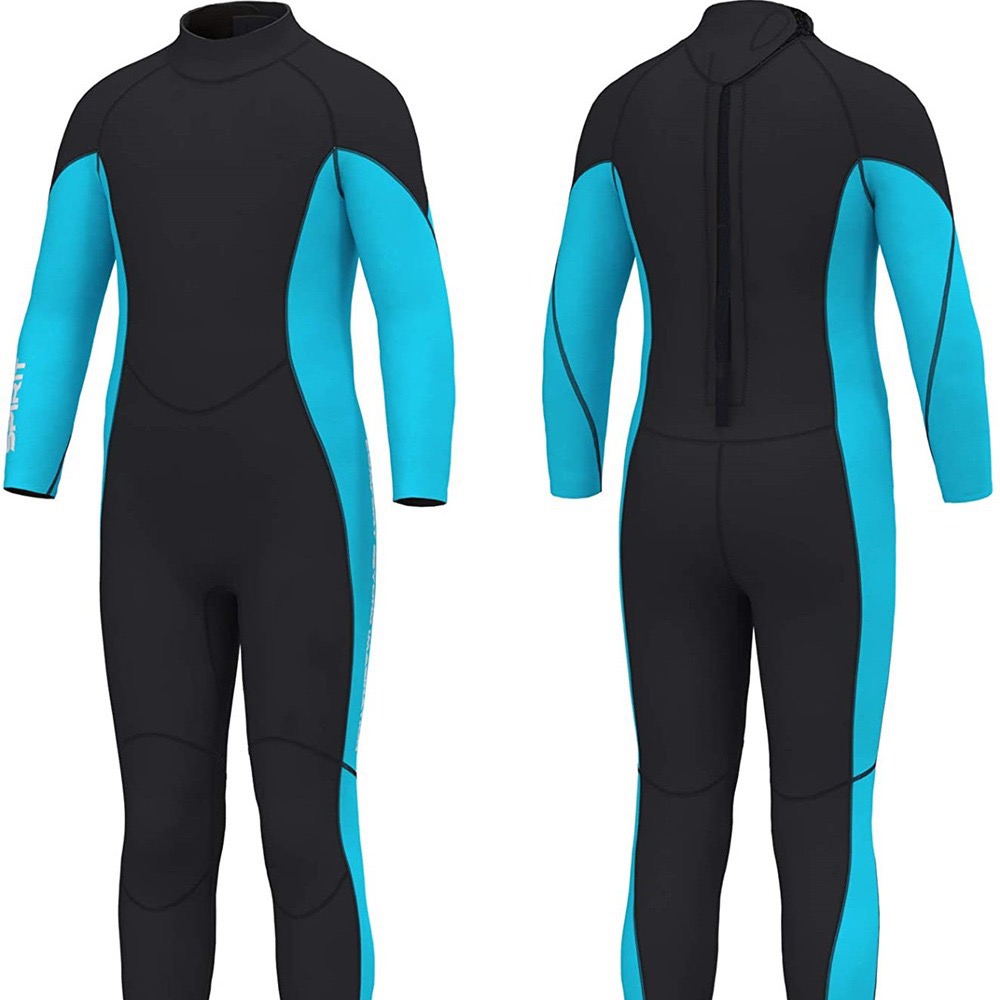
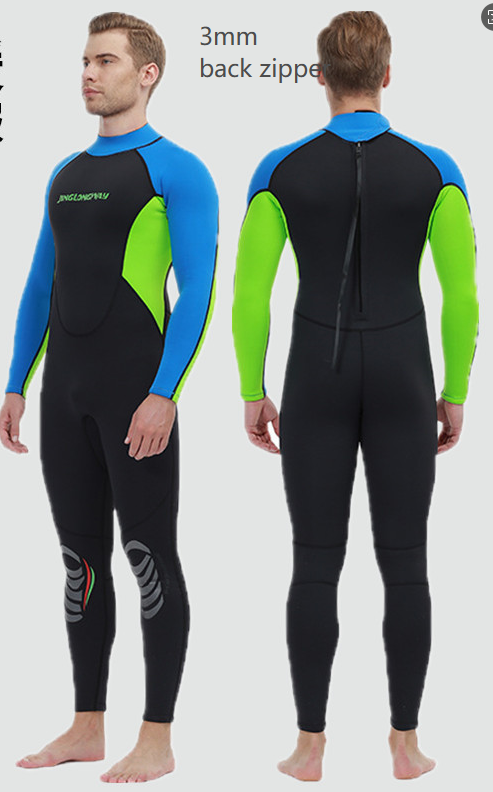
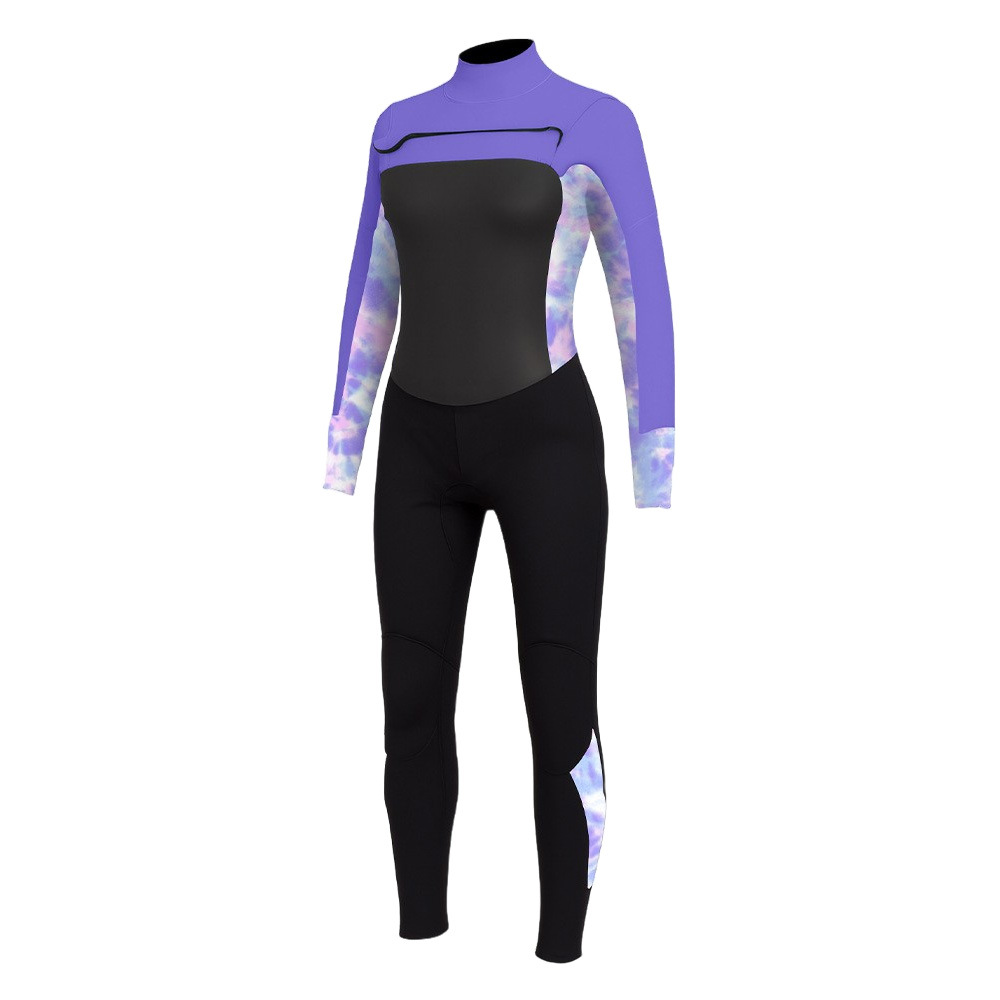
- Free Diving: Typically only requires a mask, snorkel, fins, and a wetsuit. Some divers may use a weight belt or other minimal gear, but the focus is on being lightweight and agile.
- Scuba Diving: Requires a full set of equipment, including a mask, fins, wetsuit, BCD (buoyancy control device), regulator (for air delivery), tank, and often a dive computer.
3. Depth and Duration
- Free Diving: Limits are generally much shallower compared to scuba. Depths of 20-40 meters (about 65-130 feet) are common for recreational divers. Breath-hold times can range from a few seconds to a few minutes, depending on the diver’s skill level.
- Scuba Diving: Can reach much greater depths—up to 40 meters (130 feet) for recreational diving, and even deeper for technical dives. Dive times can last from 30 minutes to over an hour, depending on the tank size and depth.
4. Training
- Free Diving: Training focuses on breath control, relaxation, and techniques to increase your dive time and depth. It’s a more minimalist approach to underwater exploration. Free diving courses teach how to safely manage your breath and handle potential risks such as shallow water blackout.
- Scuba Diving: Training is more focused on equipment use, safety protocols, and understanding the effects of pressure as you dive deeper. Scuba certifications (like PADI or NAUI) teach how to handle potential issues with tanks, regulators, and emergency situations, including managing air supply and dealing with decompression sickness.
5. Physical Demand
- Free Diving: Requires a lot of physical conditioning, as it’s more about breath-holding and managing your body’s response to oxygen deprivation. You need to be in tune with your body and keep calm to avoid panic.
- Scuba Diving: While it requires physical fitness, it is less demanding in terms of breath-holding. However, scuba divers still need to be aware of their air supply and make sure they manage it well.
6. Environmental Impact
- Free Diving: Generally considered to have a lower environmental impact because it doesn’t require heavy equipment or tanks that might leak or contribute to pollution.
- Scuba Diving: While generally safe, scuba diving can have a higher environmental impact, especially if divers are not careful with their buoyancy and equipment. Improper behavior can lead to damage to reefs and marine life.
7. Freedom and Experience
- Free Diving: Offers a sense of freedom and connection to the water since there is no heavy equipment to manage. It’s often seen as a more meditative or zen-like experience, focusing on the individual’s interaction with the underwater world.
- Scuba Diving: While it’s more structured due to the equipment, scuba diving allows for longer, deeper explorations. The equipment can be a barrier in some ways, but it opens up opportunities for exploring more diverse environments like shipwrecks, caves, or deep reefs.
Summary:
- Free Diving: Minimal equipment, short dives, breath-holding, more physical and mental focus.
- Scuba Diving: Full gear, longer dives, air tanks for breathing, more structured training.
Both can offer incredible underwater experiences, but it really depends on whether you prefer the challenge of holding your breath or the freedom to explore with the aid of a tank!

Leave A Comment